The Carolina wolf spider is a master of desert survival and complex burrow engineering.
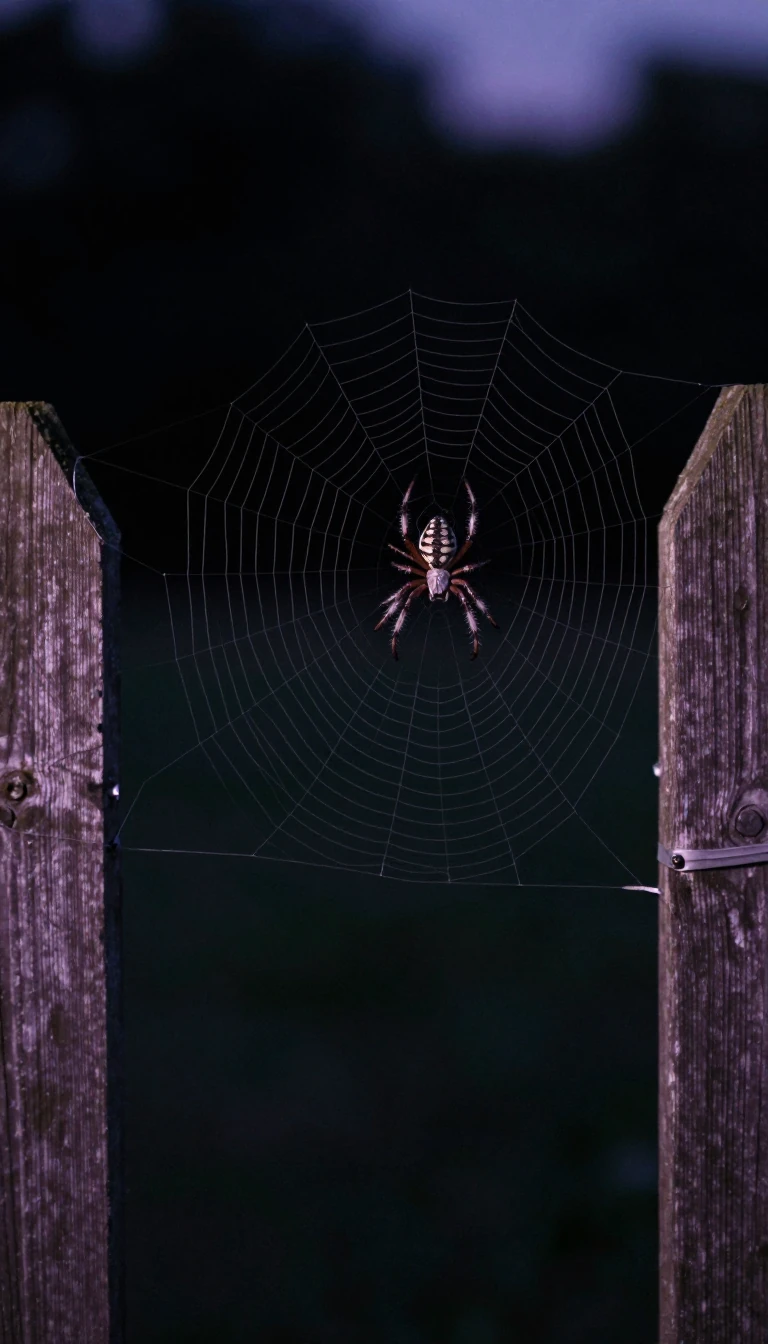
In short: As the largest wolf spider in North America, the Carolina wolf spider thrives in diverse environments by constructing deep, temperature-regulating burrows. These solitary hunters use unique venom to paralyze prey and fight infection, while their sophisticated thermoregulation allows them to adapt to extreme temperature swings in just days.
Hogna carolinensis, formerly classified as Lycosa carolinensis, is a formidable presence across North America. Reaching sizes of up to 35 mm for females, these spiders are known for their mottled brown appearance and, in males, distinctive orange abdominal markings. Unlike web-building spiders, they are ambush predators that rely on their burrows or other vantage points to strike at insects, small invertebrates, and occasionally small vertebrates like juvenile geckos.
Their burrowing behavior is a marvel of adaptation. These structures, which can reach depths of 30 cm, serve as essential microclimates that remain about 4°C cooler than the surface, providing a critical refuge in desert ecosystems. Spiders often enhance these entrances with turrets made of debris, hypothesized to act as early warning systems against predators. While they are not specialized diggers, they are adept at modifying existing burrows or taking over those left by other organisms, demonstrating a pragmatic approach to habitat construction.
The spider's physiology is equally specialized. Their venom, containing unique lycotoxins, serves a dual purpose: paralyzing prey and providing antimicrobial protection against pathogens found in their food. Furthermore, they exhibit remarkable metabolic flexibility, acclimating to significant temperature shifts within 1.5 to 3 days by adjusting oxygen consumption. This resilience is vital, as they cannot derive water metabolically and must rely on external sources to survive the harsh conditions of their range.
Socially, these spiders are largely solitary, interacting primarily for mating or early offspring care. Research suggests that spiderlings who remain with their mother for their first six days develop superior hunting skills and larger brains. This species is so iconic that it was named the official state spider of South Carolina in 2000, following a proposal by a third-grade student named Skyler B. Hutto.
Opens the Intellect+ feed with this card first. Swipe up for the next one.
Sources
- Summary by Intellect · source: Hogna carolinensis
To cite this card, link to https://intellectplus.co.uk/app/culture-hogna-carolinensis.
How we source, check and correct cards: Editorial standards.
General information, not professional advice. Spotted an error? Flag the card or see corrections and complaints.
Intellect Plus is a visual educational discovery platform for exploring fascinating facts and ideas. Brain Food, Not Brain Rot. What is Intellect Plus?
Related
More in US culture · More in Cultures · Latest · A–Z · All topics
