The Iñupiat: Real People Navigating the Arctic's Changing Landscape and Ancient Traditions
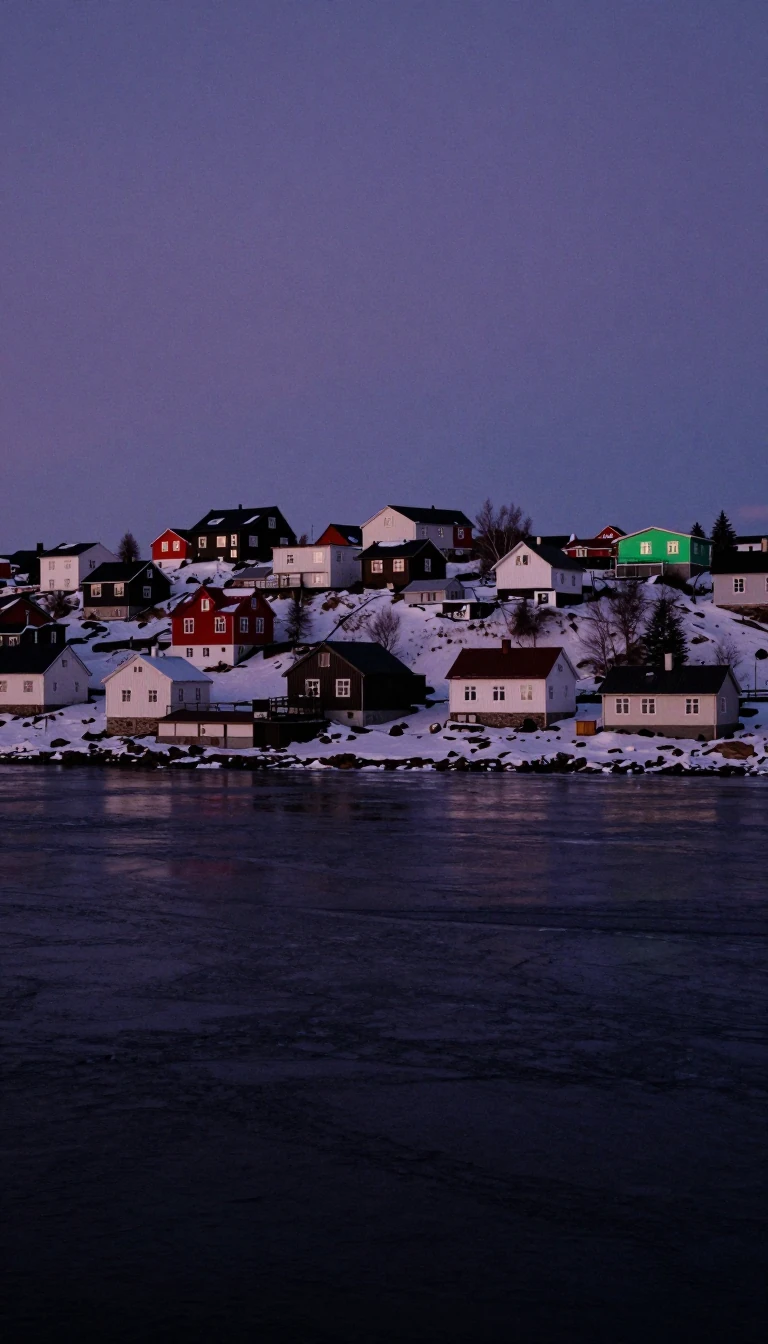
In short: The Iñupiat are the real people of Alaska's northernmost regions, with a heritage rooted in the Thule culture. Today, they balance deep-seated traditions like subsistence whaling and a unique set of ethical values with the modern pressures of climate change, oil development, and the ongoing revitalization of their native language.
The name Iñupiat translates to 'real people,' derived from the roots iñuk meaning person and -piaq meaning real. Originating from the Thule culture, these Alaska Natives migrated from the Bering Sea islands around 300 B.C. Historically, they lived as both nomadic and sedentary groups, relying on a sophisticated subsistence lifestyle. This tradition centers on the harvest of marine mammals like seals, walrus, and bowhead whales, alongside land animals such as caribou. The utilization of every part of the animal—from hides for clothing to baleen for art—reflects a deep-seated respect for nature that remains central to their identity.
Modern Iñupiat life is guided by the Iñupiat Ilitqusiat, a list of values created by elders in Kotzebue that includes sharing, humility, and responsibility to the tribe. These principles are tested by contemporary challenges. Climate change is a primary concern, as thinning sea ice disrupts migration patterns of marine mammals and makes travel increasingly dangerous. Simultaneously, the community navigates the complexities of the modern economy, including oil drilling in the Arctic, which provides revenue but creates tension with traditional whaling practices. Furthermore, the population faces health shifts, with chronic diseases like diabetes appearing in recent decades.
Language and governance are vital pillars of Iñupiat resilience. While only about 2,000 of the approximately 24,500 Iñupiat speak their native tongue today—a decline exacerbated by historical assimilation efforts in boarding schools—revitalization is underway. Initiatives include immersion schools like Nikaitchuat Iḷisaġviat and intensive programs like Iḷisaqativut. Politically, the Iñupiat exercise sovereignty through tribal governments and regional corporations established by the 1971 Alaska Native Claims Settlement Act. These institutions manage services and advocate for the community, ensuring that the Iñupiat continue to articulate their self-determination in a rapidly evolving world.
Opens the Intellect+ feed with this card first. Swipe up for the next one.
Sources
- Summary by Intellect · source: Iñupiat
- Also: icas-nsn.gov — Home - Iñupiat Community of the Arctic Slope
To cite this card, link to https://intellectplus.co.uk/app/culture-i-upiat.
How we source, check and correct cards: Editorial standards.
General information, not professional advice. Spotted an error? Flag the card or see corrections and complaints.
Intellect Plus is a visual educational discovery platform for exploring fascinating facts and ideas. Brain Food, Not Brain Rot. What is Intellect Plus?
Related
More in Peoples & civilisations · More in Cultures · Latest · A–Z · All topics
