The Iditarod is a brutal, high-stakes race across Alaska's frozen, unforgiving wilderness
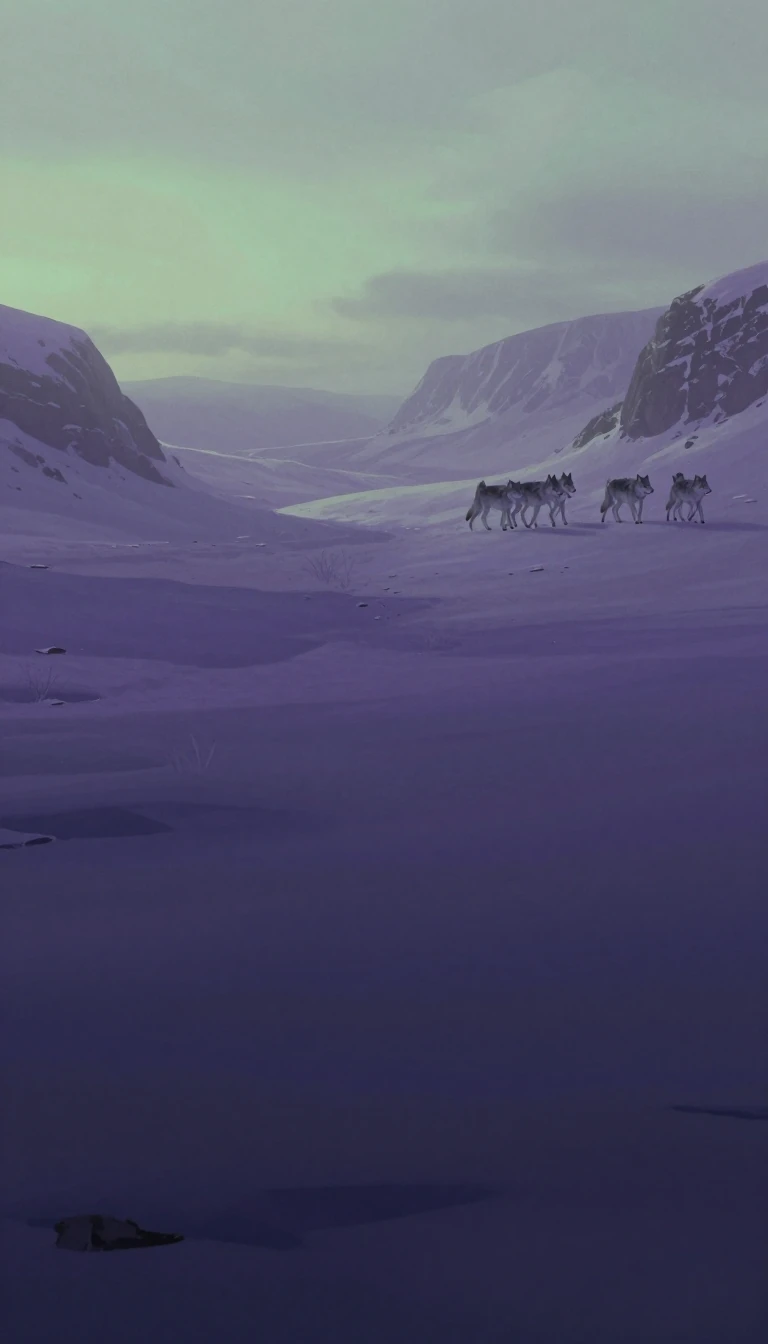
In short: Spanning roughly 1,000 miles of tundra, mountain passes, and sea ice, the Iditarod is more than a sporting event. It is a grueling test of endurance for mushers and their dogs, navigating extreme wind chills and shifting terrain to honor a historic transportation lifeline that once connected remote Alaskan settlements.
Established in 1973, the Iditarod was designed to challenge elite mushers while commemorating the legacy of dog sledding in Alaska. The race traces sections of the historic Iditarod Trail, a route that served as a vital artery for mail, gold, and supplies between the late 1880s and the mid-1920s. Before the rise of bush pilots, dog teams were the primary link for isolated communities during the long winter months when ports like Nome were locked in ice.
The modern race is a logistical feat, requiring teams of 12 to 16 dogs to navigate a landscape that changes annually due to weather. Mushers face severe hazards, including sub-zero temperatures, gale-force winds that create wind chills as low as -100°F, and treacherous sections like the steep Dalzell Gorge. Because the trail crosses rugged, sparsely populated terrain, the race relies on the Iditarod Air Force to deliver supplies to checkpoints. Mandatory rest periods, including a 24-hour layover, are strictly enforced to ensure the welfare of the teams.
While the race is a point of pride for Alaskans, it has evolved into a global phenomenon. The event sparked a resurgence in recreational mushing during the 1970s and now attracts competitors from around the world. The route itself is dynamic; organizers frequently adjust the path to account for snow conditions, sometimes shifting the start to Fairbanks or creating loops to bypass impassable areas. In 2021, Dallas Seavey set a blistering pace, completing the course in just over seven and a half days, highlighting the intense competitiveness of a tradition that remains deeply rooted in the history of the North.
Beyond the speed and records, the Iditarod serves as a symbolic bridge to the past, passing through small Athabaskan and Iñupiat villages that once relied on these very paths for survival. Despite the challenges of a warming climate and the occasional controversy, the race remains a defining cultural event, preserving a unique way of life that nearly vanished with the advent of the snowmobile.
Opens the Intellect+ feed with this card first. Swipe up for the next one.
Sources
- Summary by Intellect · source: Iditarod Trail Sled Dog Race
To cite this card, link to https://intellectplus.co.uk/app/culture-iditarod-trail-sled-dog-race.
How we source, check and correct cards: Editorial standards.
General information, not professional advice. Spotted an error? Flag the card or see corrections and complaints.
Intellect Plus is a visual educational discovery platform for exploring fascinating facts and ideas. Brain Food, Not Brain Rot. What is Intellect Plus?
Related
More in Peoples & civilisations · More in Cultures · Latest · A–Z · All topics
