The jacket's journey from ancient Hebrew sacks to modern military gear
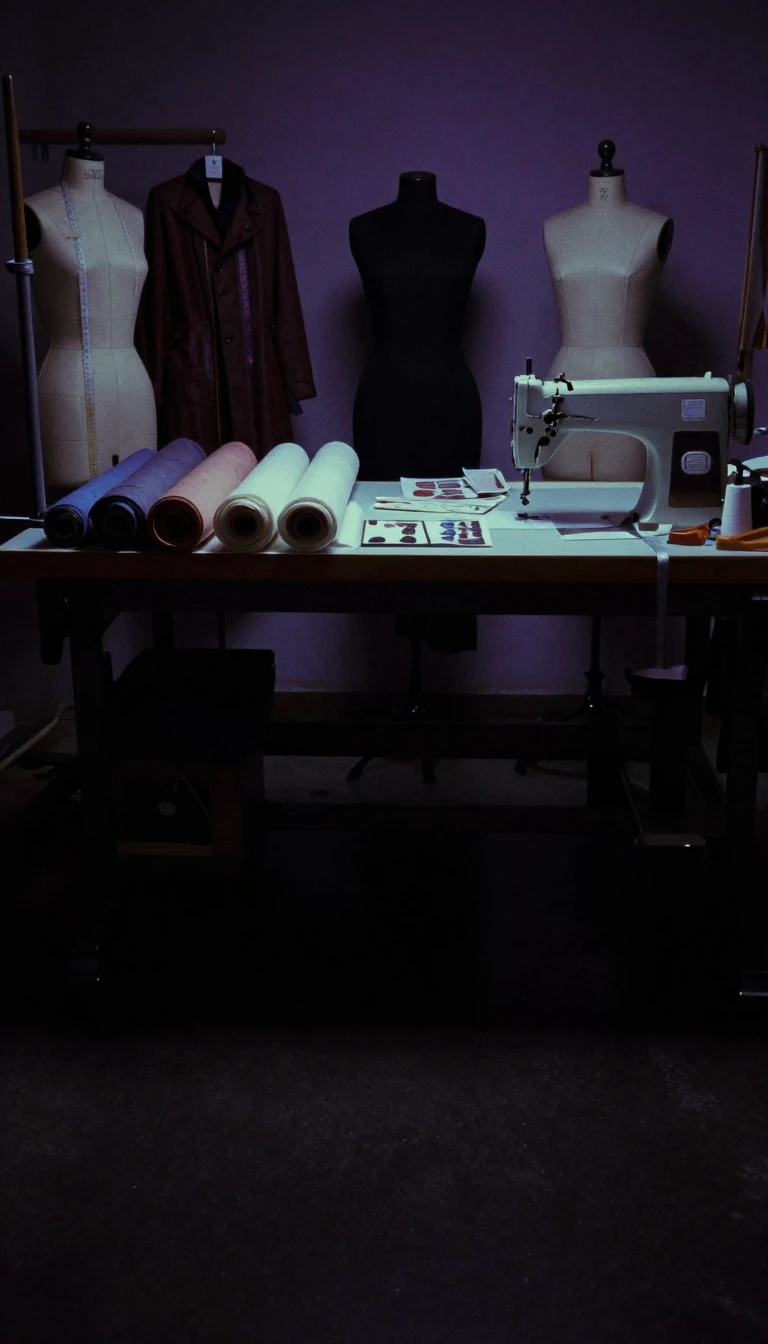
In short: While we view the jacket as a staple of modern fashion, its lineage is surprisingly global and ancient. It evolved from lightweight tunics into specialized protective equipment, tracing a linguistic path from Middle Eastern roots to become the versatile outer layer it is today.
The etymology of 'jacket' reveals a deep historical migration of language and utility. The term is ultimately loaned from the Arabic word shakk (شكّ), which originated in Aramaic and Hebrew as saḳ (שַׂק). This linguistic root traveled through various cultures before entering Middle French as jaquette, referring to a small or lightweight tunic. By the 1350s, cognates like the Spanish jaco and Italian giacca were already being recorded, establishing the garment's presence in European wardrobes long before its modern iterations appeared.
Historically, jackets have balanced the line between fashion and function. They are distinguished from coats by being generally lighter, tighter-fitting, and less insulating. This distinction allowed for specialized designs: the 18th-century Caraco or Brunswick served as feminine formal wear, while the chore jacket emerged as robust workwear made of denim. Even the bolero, a very short jacket originally worn by matadors, highlights how silhouette can be dictated by specific cultural performances and physical requirements.
The 20th century saw the explosion of military-inspired jackets into civilian life. The M-1941 and M-1943 field jackets were issued to US troops during World War II, eventually leading to the iconic M-65 field jacket introduced in 1965. Similarly, the bomber jacket was designed for US aircrews in leather or nylon. These functional designs—meant for battlefield survival—were later adapted into everyday wear like the Eisenhower jacket and the modern hardshell, proving that utility often dictates enduring style.
Today, the category encompasses extreme variety, from the formal dinner jacket (or tuxedo) to high-tech smart jackets with built-in heating elements and sensors. Whether it is a 1950s satin ball jacket or a contemporary puffer, the jacket remains a primary vehicle for expressing identity while providing essential protection against the elements.
Opens the Intellect+ feed with this card first. Swipe up for the next one.
Sources
- Summary by Intellect · source: Jacket
To cite this card, link to https://intellectplus.co.uk/app/culture-jacket.
How we source, check and correct cards: Editorial standards.
General information, not professional advice. Spotted an error? Flag the card or see corrections and complaints.
Intellect Plus is a visual educational discovery platform for exploring fascinating facts and ideas. Brain Food, Not Brain Rot. What is Intellect Plus?
Related
More in Clothing and fashion · More in Cultures · Latest · A–Z · All topics
