The final piece of the biblical puzzle was the last to be finalized
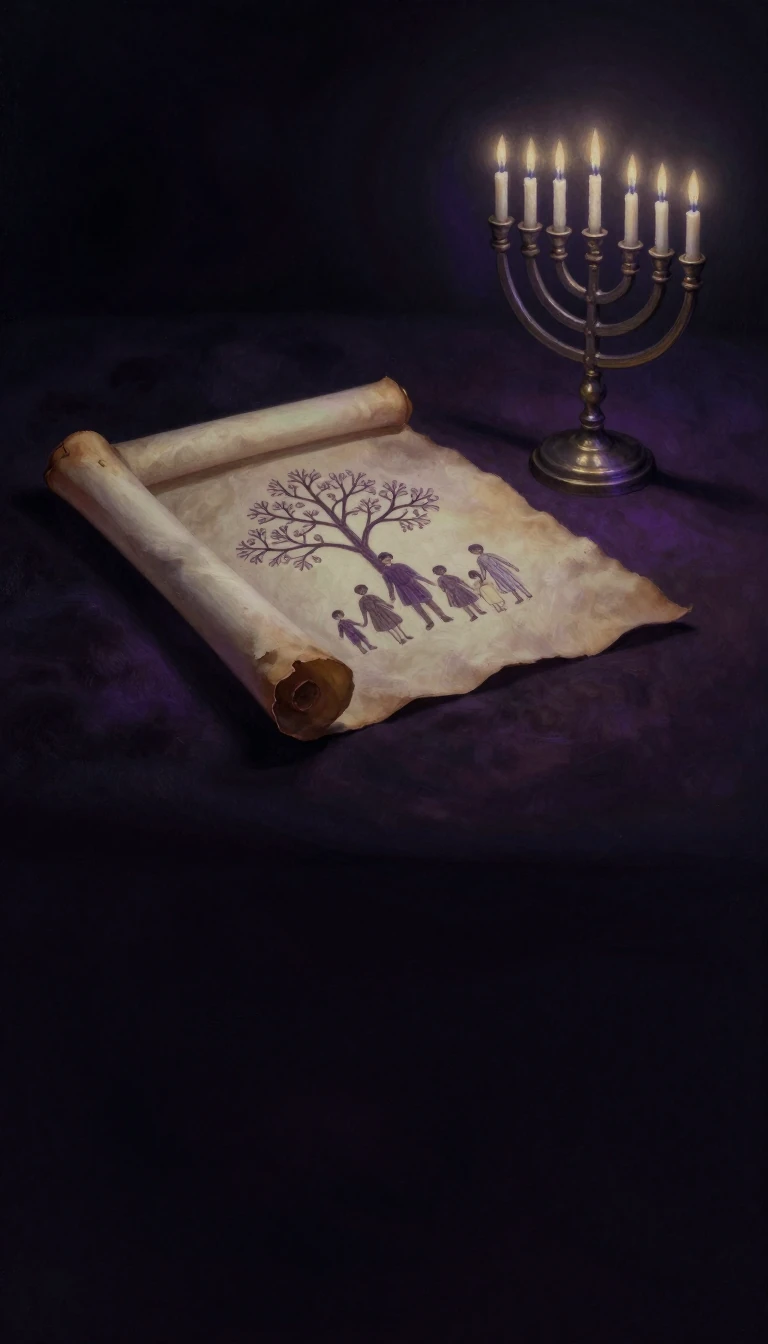
In short: While the Torah and Prophets were established early, the Ketuvim—the 'Writings'—remained a shifting collection of poetry, history, and scrolls for centuries. This diverse group of eleven books followed a unique path to canonization, often entering the sacred assembly one book at a time.
The Ketuvim serves as the third and final section of the Tanakh, following the Torah and the Nevi'im. Unlike its predecessors, which were canonized as cohesive groups, the books within the Ketuvim often achieved status individually, frequently driven by their own popularity. This collection is remarkably diverse, spanning everything from the apocalyptic visions of Daniel to the romantic tales of the Song of Songs and the historical chronicles of Ezra and Nehemiah.
The group is traditionally organized into distinct subgroups. The 'Sifrei Emet'—comprising Psalms, Proverbs, and Job—are known as the 'documents of truth.' These three books are unique for their poetic structure, utilizing a special system of cantillation to emphasize parallel verses. Another group, the 'Five Megillot' or Scrolls, includes Ruth, Lamentations, Ecclesiastes, Esther, and the Song of Songs. These scrolls are traditionally read during specific Jewish holidays throughout the year.
The timeline for the Ketuvim's formation is a subject of scholarly debate. While some evidence suggests the collection began taking shape as early as 132 BCE, there is no consensus on when the canon was officially fixed. Some scholars suggest the Hasmonean dynasty played a role, while others, such as Michael Coogan, argue the collection was not a settled canon until the 2nd century CE. This uncertainty is reflected in the manuscripts themselves; different traditions, such as the Babylonian Talmud and the Tiberian Masoretic codices, present the books in entirely different orders.
Opens the Intellect+ feed with this card first. Swipe up for the next one.
Sources
- Summary by Intellect · source: Ketuvim
- Also: Ketuvim | Hebrew Scriptures, Writings, Poetry | Britannica
To cite this card, link to https://intellectplus.co.uk/app/culture-ketuvim.
How we source, check and correct cards: Editorial standards.
General information, not professional advice. Spotted an error? Flag the card or see corrections and complaints.
Intellect Plus is a visual educational discovery platform for exploring fascinating facts and ideas. Brain Food, Not Brain Rot. What is Intellect Plus?
Related
More in Traditions & customs · More in Cultures · Latest · A–Z · All topics
