The Kyrgyz people are a complex mosaic of ancient tribes and shifting genetic legacies.
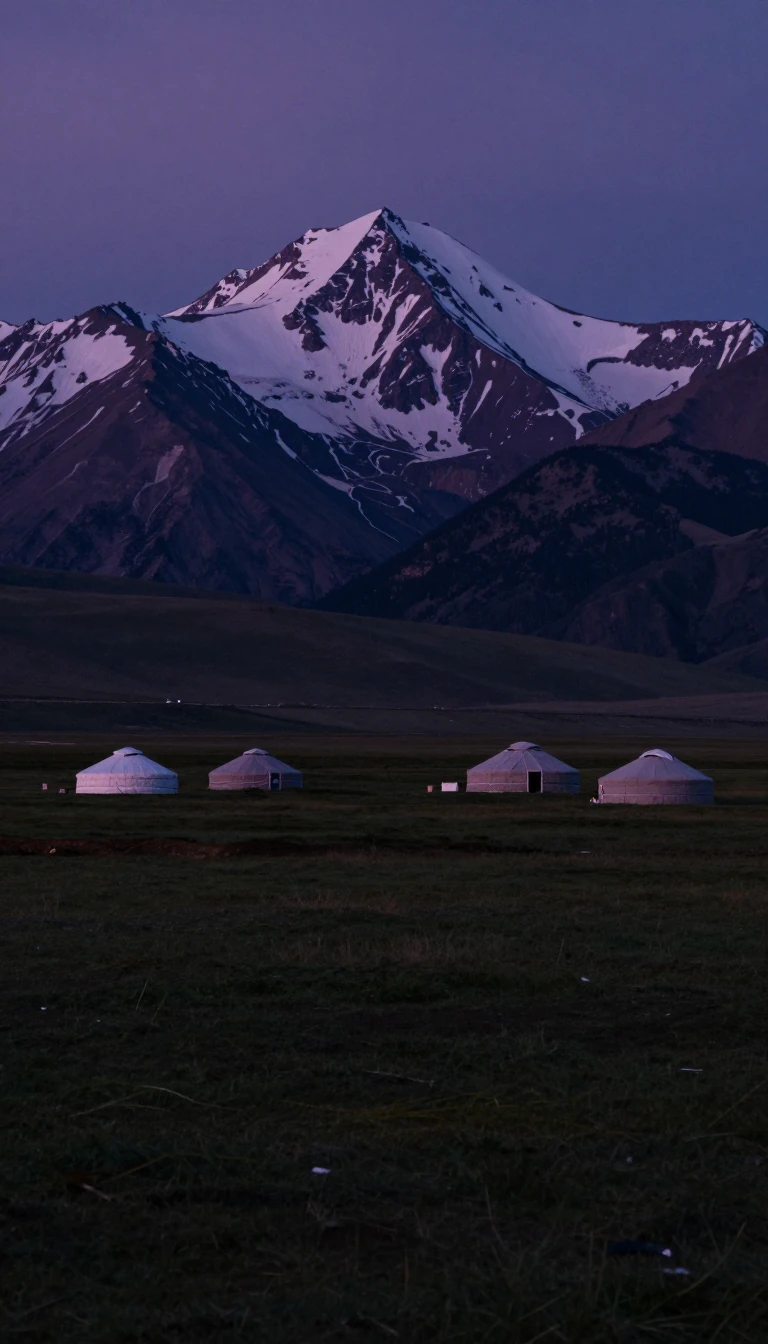
In short: Tracing their origins back to 201 BC, the Kyrgyz are a Turkic people whose identity has been shaped by centuries of migration, imperial dominance, and syncretic belief. From the Yenisei river valley to the Tian Shan mountains, their story is one of survival, adaptation, and a deep, multifaceted heritage.
The ethnonym 'Kyrgyz' is shrouded in mystery, with theories ranging from a literal 'collection of forty tribes' to meanings like 'unconquerable' or 'red face'—a folk etymology once attributed to their appearance. Historical records suggest the earliest Kyrgyz emerged in western Mongolia around 201 BC. By the 9th century, the Yenisei Kyrgyz had risen to power, eventually migrating to the Tian Shan region after toppling the Uyghur Khaganate in 840. This migration was pivotal in forming the modern Kyrgyz identity, blending their Turkic language with diverse ancestral influences, including Sakas, Huns, and Mongols.
Genetically, the Kyrgyz are a heterogeneous group. Modern studies reveal a significant 'Turkic cline,' with ancestry ranging from Ancient Northeast Asian sources to West Eurasian steppe herders and Iranian farmer-related groups. In some regions, such as the Jumgal District, paternal haplogroup R1a1 is found in 63% of men, while other areas show higher frequencies of East Eurasian lineages. This genetic diversity reflects their history as a mobile, nomadic people who traversed vast distances, from the Siberian steppes to the borders of China and Afghanistan.
Religious practice among the Kyrgyz is equally layered. While predominantly Sunni Muslims of the Hanafi school today, their conversion was a gradual process beginning in the 17th century, often facilitated by Sufi missionaries. This faith frequently coexists with indigenous shamanistic rituals, particularly in Central Kyrgyzstan. In some isolated pockets, such as the Pamir Mountains, historical influences led to the adoption of Shia and Ismaili traditions. Today, the Kyrgyz diaspora spans from the Wakhan Corridor in Afghanistan to the Fuyu County in China, where the unique 'Fuyu Kyrgyz' maintain a dialect related to the Khakas language, illustrating the enduring resilience of their cultural threads across centuries of geopolitical change.
Opens the Intellect+ feed with this card first. Swipe up for the next one.
Sources
- Summary by Intellect · source: Kyrgyz people
- Also: www.britannica.com — Kyrgyz | Nomadic, Central Asia, Turkic | Britannica
To cite this card, link to https://intellectplus.co.uk/app/culture-kyrgyz-people.
How we source, check and correct cards: Editorial standards.
General information, not professional advice. Spotted an error? Flag the card or see corrections and complaints.
Intellect Plus is a visual educational discovery platform for exploring fascinating facts and ideas. Brain Food, Not Brain Rot. What is Intellect Plus?
Related
More in Peoples & civilisations · More in Cultures · Latest · A–Z · All topics
