The Siberian people whose name was invented by Soviet authorities
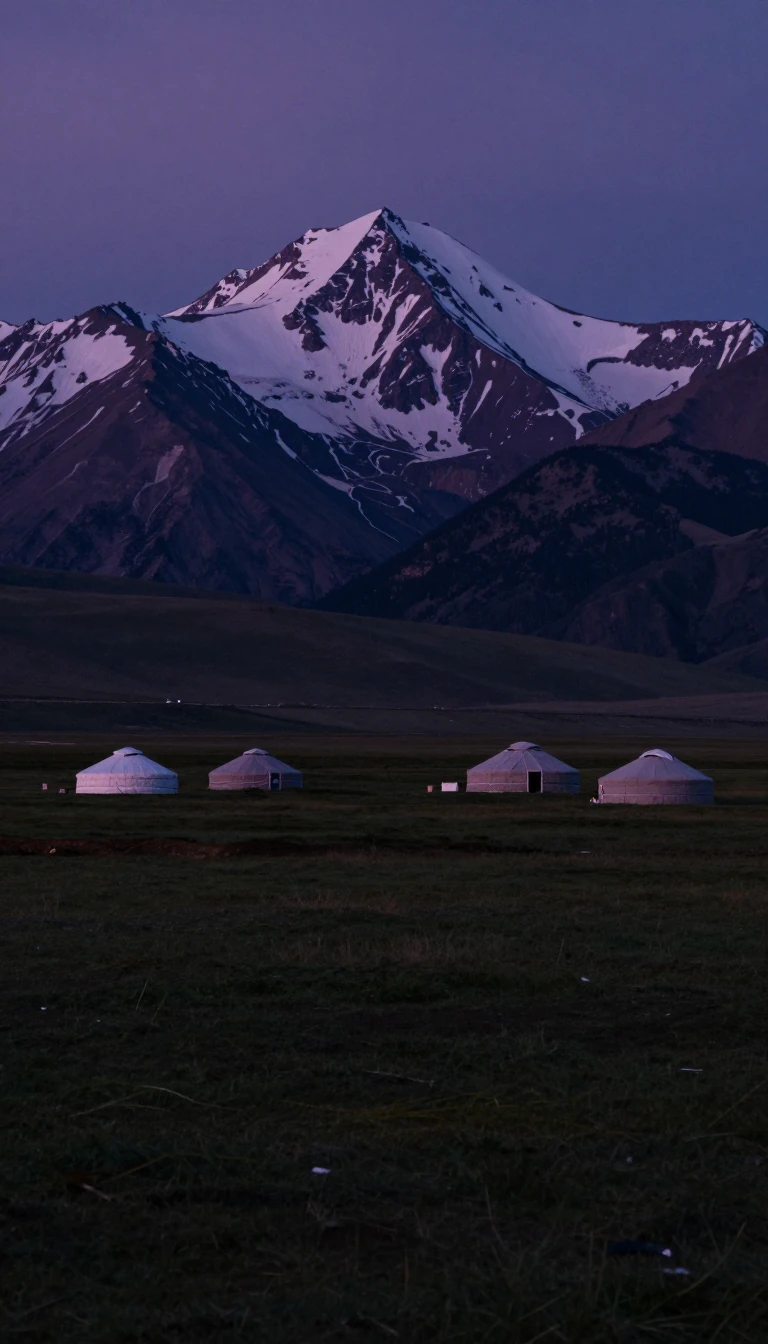
In short: For centuries, these Siberian people were known as Kyrgyz or Tatars. Their current identity is actually a modern construct born from 20th-century administrative engineering. Soviet authorities created the name Khakas in 1923, merging several distinct groups into one ethnic label while erasing their complex historical predecessors.
The Khakas are an indigenous Turkic people of Siberia whose lineage traces back to ancient cultures like the Andronovo and Tagar. Historically, they were known as Kyrgyz before Imperial Russian conquests led them to be labeled as Tatars. This colonial branding persisted until the Soviet era, when authorities introduced the name 'Khakas' in 1923. Derived from the Chinese term Xiaqiasi for the Kyrgyz, this recent title synthesised various historical elements into a contemporary ethnic label.
The demographic landscape of Khakassia was shaped by significant migrations and forced relocations. In the 17th century, the Khakas settled in lands previously occupied by the Yenisei Kyrgyz, who were vassals of Mongolian rulers. Following Russian arrival, many Yenisei Kyrgyz were coerced into submission by Dzungar Oirat Kalmyks or relocated to the Dzungar Khanate. By 1761, the Qing dynasty moved these populations further to northeastern China, leaving a vacuum that allowed for an inflow of Russian agrarian settlers and industrial development.
Modern Khakas identity is characterized by both synthesis and survival. While they are now predominantly Russian Orthodox Christians, many continue to practice shamanism or a blend of both faiths. The 1923 Soviet reorganization 'artificially' combined several distinct groups—including the Beltir, Sagai, Kachin, Koibal, and Kyzyl—into the unified Khakas identity. Today, while they maintain traditional practices like nomadic herding and handicraft, the Khakas make up only about 12% of the republic's population.
Genetic research reveals a complex history of assimilation and migration. The predominant paternal haplogroup N (roughly 64%) may suggest descent from Samoyedic speakers who were assimilated by Turkic groups. Meanwhile, the presence of haplogroup R1a links them to Indo-European migrations into Siberia during the Bronze and Iron Ages. These biological markers confirm that 'Khakas' identity is a tapestry woven from millennia of Siberian movement.
Opens the Intellect+ feed with this card first. Swipe up for the next one.
Sources
- Summary by Intellect · source: Khakas
To cite this card, link to https://intellectplus.co.uk/app/wars-khakas.
How we source, check and correct cards: Editorial standards.
General information, not professional advice. Spotted an error? Flag the card or see corrections and complaints.
Intellect Plus is a visual educational discovery platform for exploring fascinating facts and ideas. Brain Food, Not Brain Rot. What is Intellect Plus?
Related
More in Early modern wars · More in Wars & Conflicts · Latest · A–Z · All topics
