A pious king and his high-spirited queen: the royal marriage that shaped medieval Europe.
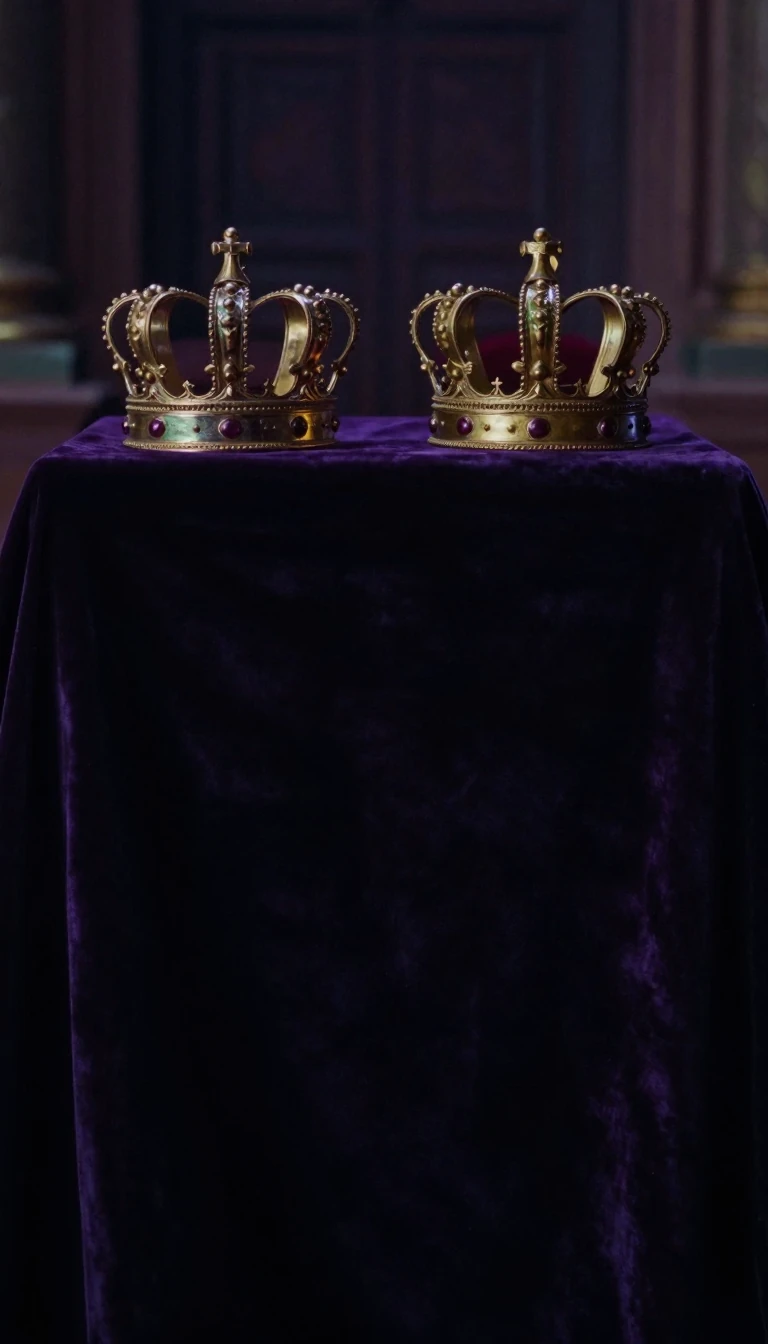
In short: Louis VII of France was a devout, monk-like ruler whose marriage to the wealthy Eleanor of Aquitaine promised to expand his kingdom. Instead, their clashing personalities and a disastrous crusade led to an annulment that inadvertently birthed the powerful Angevin Empire, forever altering the balance of power in medieval Europe.
Louis VII, born in 1120, was initially raised for a life within the Church. His trajectory shifted abruptly in 1131 following the accidental death of his older brother, Philip, which made Louis the heir to the French throne. Crowned as his father's co-ruler that same year, he ascended as sole king in 1137. His marriage to Eleanor of Aquitaine, arranged by his father to secure her vast territorial holdings, proved fundamentally incompatible. While Louis was reserved and deeply religious, Eleanor was accustomed to the vibrant, free-wheeling culture of her southern court.
The couple's relationship fractured during the Second Crusade, which Louis undertook to atone for his role in the burning of a church in Vitry-en-Perthois, an act that had resulted in the deaths of approximately 1,500 refugees. During the campaign, Louis and Eleanor disagreed on military strategy, particularly regarding the defense of Antioch. Their marriage was annulled in 1152 on the grounds of consanguinity, though the lack of a male heir was a primary factor. Shortly after, Eleanor married Henry, the future King Henry II of England. This union transferred her massive Aquitaine inheritance to the English crown, creating the formidable Angevin Empire.
The remainder of Louis's reign was defined by his struggle against this rising Angevin hegemony. He attempted to weaken Henry II by supporting the king's rebellious sons and offering refuge to Thomas Becket, the exiled Archbishop of Canterbury. Despite these efforts, Louis often struggled with indecision and limited resources. It was not until 1165 that his third wife, Adela of Champagne, finally provided him with a son, Philip II Augustus. Louis died in 1180, leaving a legacy marked by the founding of the University of Paris and his early support for the development of French Gothic architecture, including the construction of Notre-Dame de Paris.
Opens the Intellect+ feed with this card first. Swipe up for the next one.
Sources
- Summary by Intellect · source: Louis VII of France
- Also: The Met — Louis XV (1710–1774), King of France · CC0
- Also: www.britannica.com — Louis VII | Crusades, Aquitaine & Eleanor | Britannica
To cite this card, link to https://intellectplus.co.uk/app/culture-louis-vii-of-france.
How we source, check and correct cards: Editorial standards.
General information, not professional advice. Spotted an error? Flag the card or see corrections and complaints.
Intellect Plus is a visual educational discovery platform for exploring fascinating facts and ideas. Brain Food, Not Brain Rot. What is Intellect Plus?
Related
More in UK & Irish culture · More in Cultures · Latest · A–Z · All topics
