Lower Manhattan is a living palimpsest of American history, finance, and cultural reinvention.
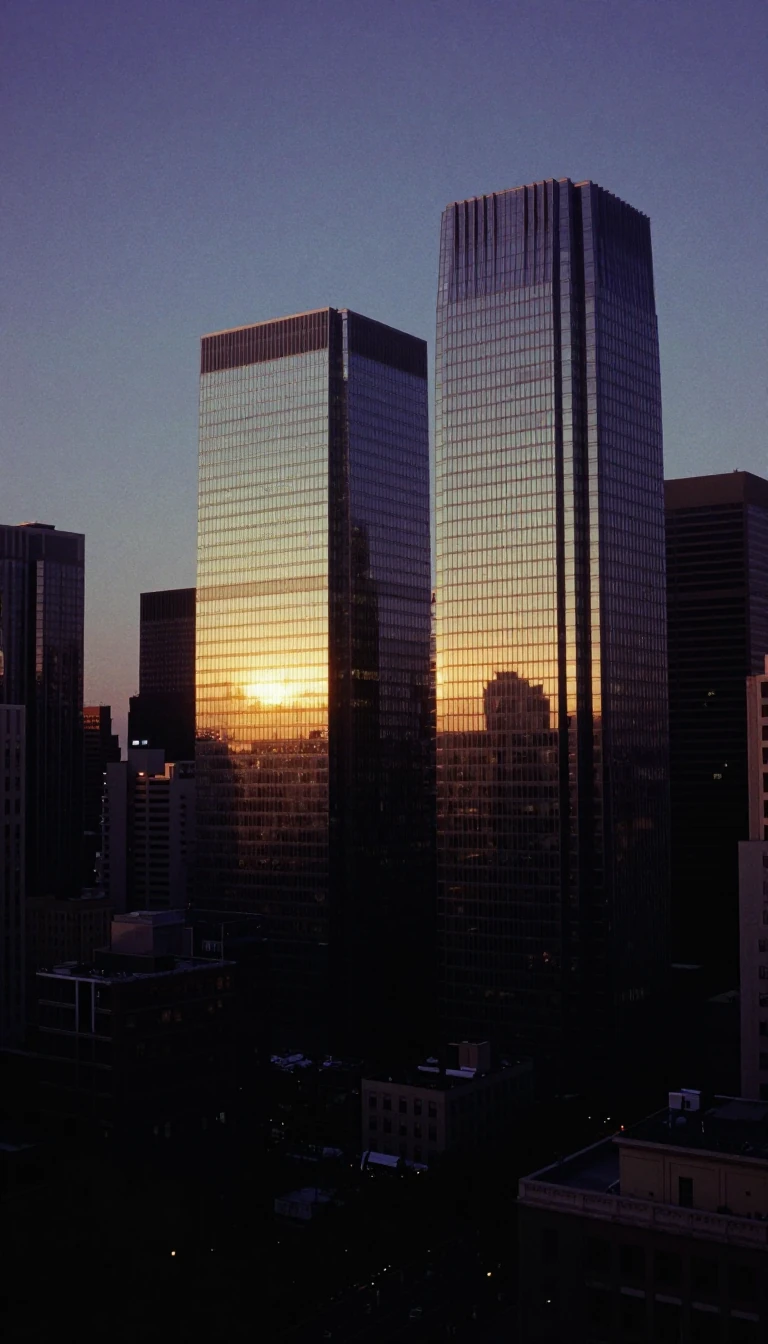
In short: From its origins as a Dutch fur trading post to its role as the first U.S. capital, Lower Manhattan has constantly reshaped itself. It has survived fires, wars, and the 9/11 attacks, transforming from a purely commercial district into a vibrant, residential, and global hub for finance and culture.
The area’s story began in 1626 when the Dutch established New Amsterdam, building Fort Amsterdam to secure their interests. By 1664, the English seized control, renaming the settlement New York. The district served as the first national capital under the U.S. Constitution in 1789, hosting the inauguration of George Washington at Federal Hall. Throughout the 18th century, it was a crucible of political tension, from the Stamp Act Congress to the espionage networks during the Revolutionary War.
The 20th century brought dramatic shifts. While the opening of major rail terminals like Grand Central in 1913 pulled the city's economic center toward Midtown, Lower Manhattan reinvented itself through massive public works and urban renewal. The construction of the original World Trade Center in the 1960s and 70s—which required the demolition of Radio Row—also created Battery Park City from excavated fill. Following the 2001 terrorist attacks, the area faced a profound loss of office space, yet it rebounded by diversifying into technology, media, and a significant residential boom.
Today, Lower Manhattan is a dense collection of neighborhoods, each with a distinct legacy. Greenwich Village remains the heart of LGBT history via the Stonewall Inn, while Chinatown continues to serve as a cultural epicenter for the Chinese diaspora. The area’s evolution from an industrial port to a residential and professional district is underscored by the conversion of over 15 million square feet of office space into housing between 1995 and 2014, fueling a demographic shift toward young professionals.
The district remains a global financial powerhouse, anchored by the New York Stock Exchange and the Federal Reserve Bank. Yet, it is equally defined by its resilience. After the devastation of Hurricane Sandy in 2012, the city began debating massive infrastructure projects like seawalls to protect its low-lying shoreline. From the birth of punk rock at CBGB to the modern skyline dominated by One World Trade Center, Lower Manhattan remains a site of constant, often turbulent, transformation.
Opens the Intellect+ feed with this card first. Swipe up for the next one.
Sources
- Summary by Intellect · source: Lower Manhattan
To cite this card, link to https://intellectplus.co.uk/app/culture-lower-manhattan.
How we source, check and correct cards: Editorial standards.
General information, not professional advice. Spotted an error? Flag the card or see corrections and complaints.
Intellect Plus is a visual educational discovery platform for exploring fascinating facts and ideas. Brain Food, Not Brain Rot. What is Intellect Plus?
Related
More in US culture · More in Cultures · Latest · A–Z · All topics
