Why this tiny, uninhabited Baltic skerry required an international border to be redrawn.
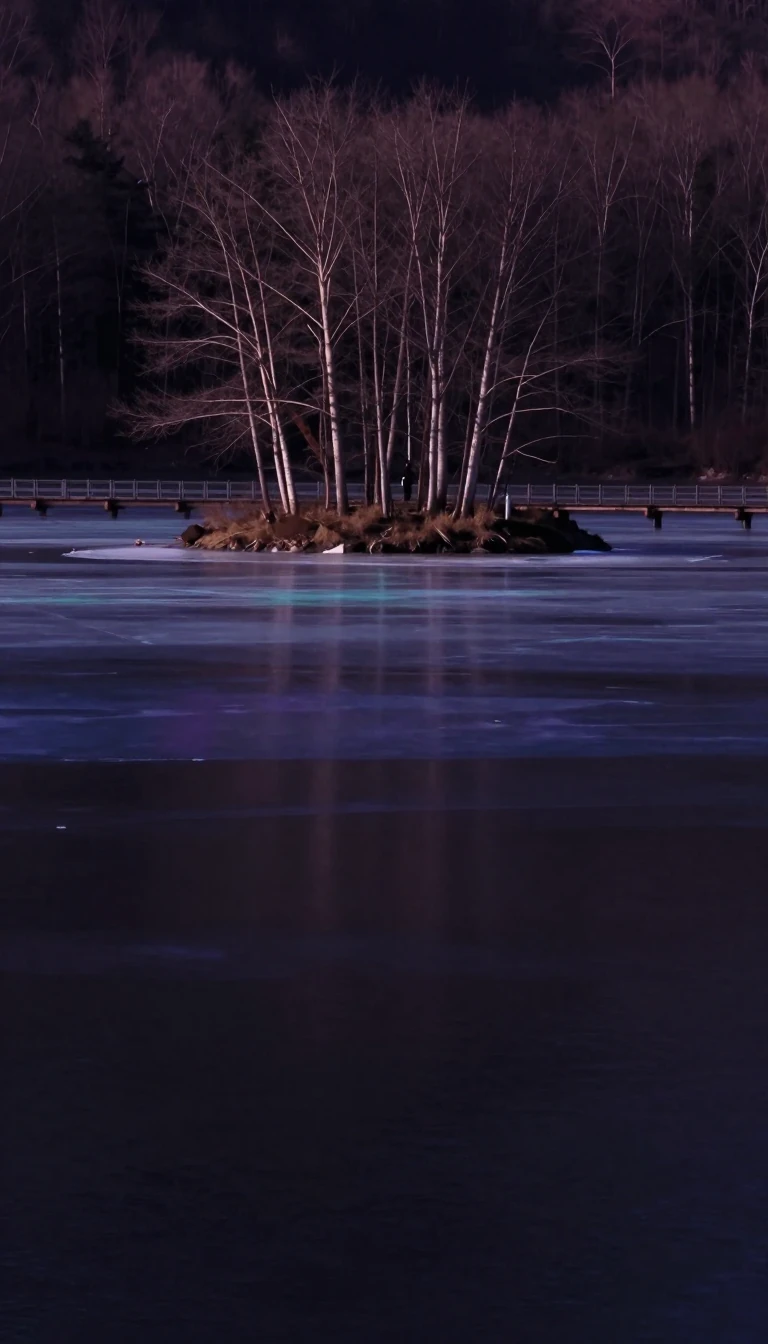
In short: Märket is a 3.3-hectare rock in the Baltic Sea, shared by Sweden and Finland. When a lighthouse was built on its highest point in 1885, officials realized they had accidentally placed it on the wrong side of the border. The solution was an unusual, inverted S-shaped boundary adjustment.
Märket, whose name translates to 'The Mark,' likely served as a vital navigational reference for sailors long before lighthouses existed. Measuring roughly 350 meters long and 150 meters wide, the skerry is a harsh, exposed environment of smooth diabase rock. It is frequently scoured by winter drift ice and washed over by seawater during storms, limiting plant life to just 23 identified species, including salt-tolerant grasses and herbs. Despite its small size, the island is the smallest sea island shared by two countries, with the border originally established by the 1809 Treaty of Fredrikshamn.
The geopolitical complication arose in 1885 when the Grand Duchy of Finland constructed a lighthouse on the island's highest point. At the time, the skerry was considered no-man's land, but the structure was inadvertently placed on the Swedish portion of the island. To resolve this without creating a diplomatic imbalance, the border was adjusted in 1985. The new boundary took an inverted 'S' shape, ensuring the lighthouse fell within Finnish territory while maintaining an equal exchange of land to preserve existing fishing rights. Today, the border is resurveyed every 25 years by joint teams, using holes drilled into the rock because ice would destroy any physical markers.
Beyond its border oddities, Märket is a hub for amateur radio enthusiasts. Because of its unique status and isolation, the Finnish side is treated as a separate entity for radio contacts. Expeditions frequently visit the island to make thousands of global connections, often using the OJ0 call sign prefix. While the lighthouse was automated in 1979 and its navigational role diminished by GPS, the island remains a significant meteorological site. It holds several Finnish temperature records for the late autumn and winter months, benefiting from the thermal inertia of the surrounding Baltic Sea, which keeps the island warmer than the mainland during the coldest parts of the year.
Opens the Intellect+ feed with this card first. Swipe up for the next one.
Sources
- Summary by Intellect · source: Märket
To cite this card, link to https://intellectplus.co.uk/app/culture-m-rket.
How we source, check and correct cards: Editorial standards.
General information, not professional advice. Spotted an error? Flag the card or see corrections and complaints.
Intellect Plus is a visual educational discovery platform for exploring fascinating facts and ideas. Brain Food, Not Brain Rot. What is Intellect Plus?
Related
More in Traditions & customs · More in Cultures · Latest · A–Z · All topics
