Are you the universe, or just a drop in its ocean?
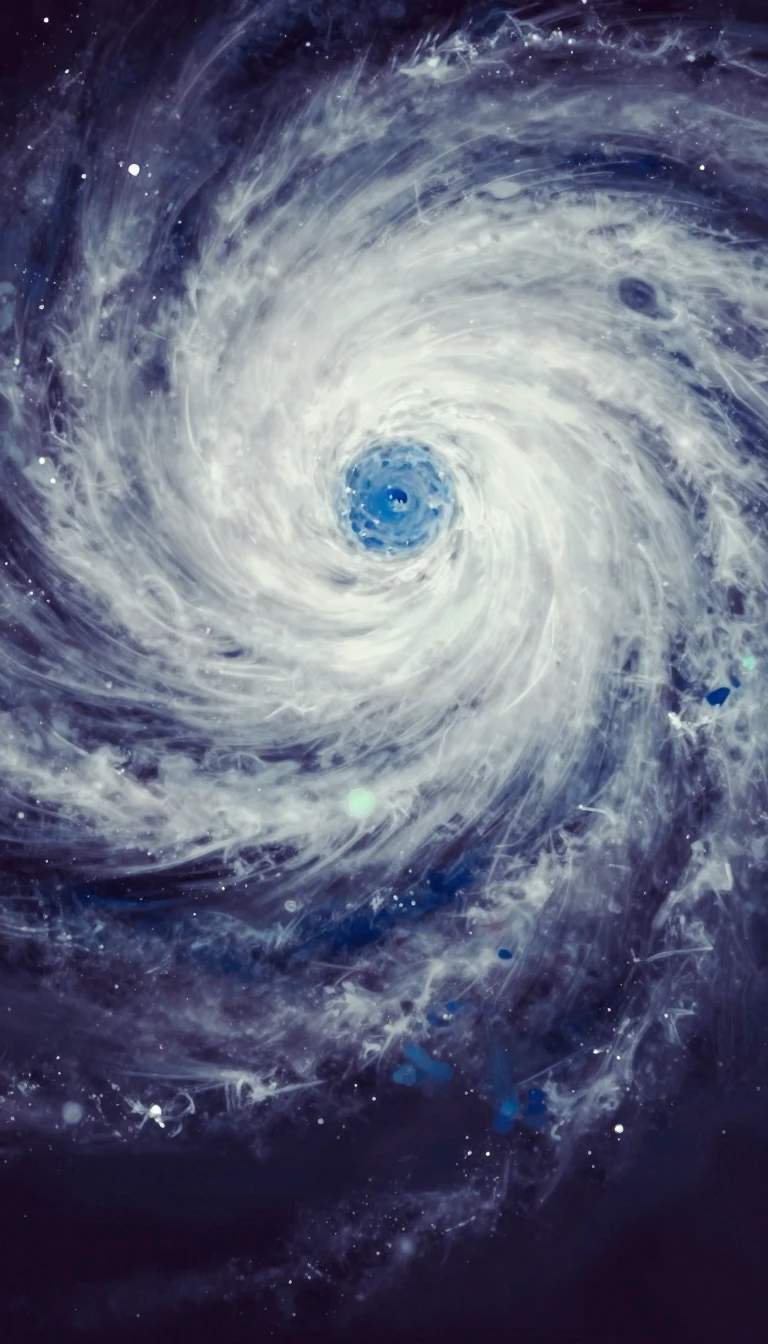
In short: In ancient Indian philosophy, four specific sentences—the Mahāvākyas—are believed to hold the ultimate truth of existence. They aren't just poetic descriptions; they are precise metaphysical tools designed to dissolve the boundary between the individual self and the absolute reality of the cosmos.
The term Mahāvākya translates literally as 'Great Saying.' In the tradition of Advaita Vedanta, these four statements serve as scriptural keys to reveal that the individual soul (ātman) is non-different from Brahman, the ultimate reality. For instance, 'Tat Tvam Asi' (That Thou Art) appears in the Chandogya Upanishad. While often translated simply as 'You are That,' scholars like Brereton suggest a more nuanced meaning: 'In that way [thus] are you.' This refers to the idea that the individual is permeated by the finest essence of existence, just as a banyan tree stands due to its internal nature.
However, the interpretation of these sayings varies wildly across different schools. In Advaita Vedanta, they signify absolute equality between the self and Brahman. In contrast, Shuddhadvaita views the self as a part of the whole, while Vishishtadvaita identifies 'you' as the inner controller of the soul and 'That' as the cosmic creator. Even more divergent is the Dvaita school of Madhvacharya, which reads the phrase to mean that while the supreme Self is the essence of all, you are not Him—a clear distinction between the part and the whole.
The complexity of these terms also depends on the philosophical framework used. In Mimamsa, a Mahāvākya was not a concise truth but a complex 'ritual manual' that unified smaller instructions into one authoritative guide for Vedic ceremony. Furthermore, different traditions define Brahman differently: while some see it as an impersonal reality, others identify it with specific deities like Vishnu or Krishna. For the Vaishnavas, saying 'I am Brahman' might mean 'I am a drop in the ocean of consciousness,' rather than an identity with the absolute itself.
Opens the Intellect+ feed with this card first. Swipe up for the next one.
Sources
- Summary by Intellect · source: Mahāvākyas
To cite this card, link to https://intellectplus.co.uk/app/culture-mah-v-kyas.
How we source, check and correct cards: Editorial standards.
General information, not professional advice. Spotted an error? Flag the card or see corrections and complaints.
Intellect Plus is a visual educational discovery platform for exploring fascinating facts and ideas. Brain Food, Not Brain Rot. What is Intellect Plus?
Related
More in Traditions & customs · More in Cultures · Latest · A–Z · All topics
