How a humble technical school became the intellectual heartbeat of post-independence Africa
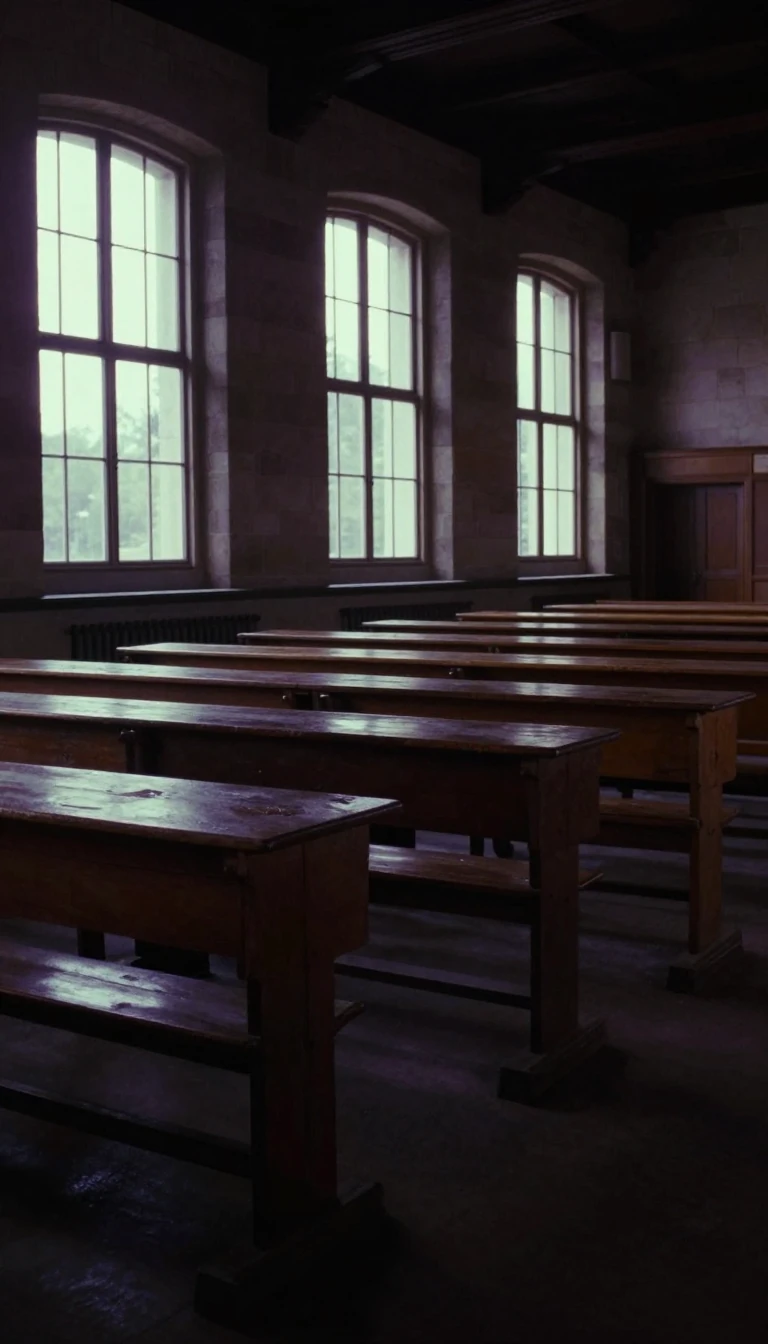
In short: Makerere University began as a modest trade school in 1922, yet it evolved into a powerhouse that shaped the leadership and literary culture of a continent. From its role in the development of primatology to its status as an alma mater for presidents, Makerere remains a resilient symbol of African intellectual achievement.
Established in 1922 as a technical school, Makerere initially focused on practical trades like carpentry and mechanics. By 1937, it began offering post-secondary diplomas, though it would not gain full university status until 1949. The institution's trajectory was heavily influenced by the British Asquith Commission, which in 1945 recommended upgrading colonial colleges to degree-granting institutions, provided they met rigorous academic standards to ensure their qualifications held international respect.
The university became a crucible for African nationalism and intellectual life. In the post-independence era, it served as a focal point for a vibrant literary scene, attracting luminaries such as Ngũgĩ wa Thiong'o and Nobel laureate V. S. Naipaul. Beyond the humanities, Makerere played a crucial role in scientific advancement, particularly in primatology and tropical medicine, bridging the gap between laboratory research and field studies in human disease.
Despite its prestige, the university has weathered significant turbulence. It has faced political opposition, including riots in the 1940s, and repeated closures between 2006 and 2016 due to strikes and administrative unrest. In 2020, its iconic main administrative building, known as the Ivory Tower, was gutted by fire. Yet, the institution has proven remarkably durable, celebrating its centenary in 2022 with a renewed commitment to its role as Uganda's oldest and largest university.
Today, Makerere comprises nine colleges and one school, serving approximately 40,000 students. Its alumni include several prominent African heads of state, such as Julius Nyerere and Mwai Kibaki. Governed by a University Council and an academic Senate, the institution continues to navigate the complex intersection of national politics and higher education, maintaining its legacy as a cornerstone of East African intellectual development.
Opens the Intellect+ feed with this card first. Swipe up for the next one.
Sources
- Summary by Intellect · source: Makerere University
To cite this card, link to https://intellectplus.co.uk/app/culture-makerere-university.
How we source, check and correct cards: Editorial standards.
General information, not professional advice. Spotted an error? Flag the card or see corrections and complaints.
Intellect Plus is a visual educational discovery platform for exploring fascinating facts and ideas. Brain Food, Not Brain Rot. What is Intellect Plus?
Related
More in Education · More in Cultures · Latest · A–Z · All topics
