Manila is finally building a subway designed to survive a massive earthquake
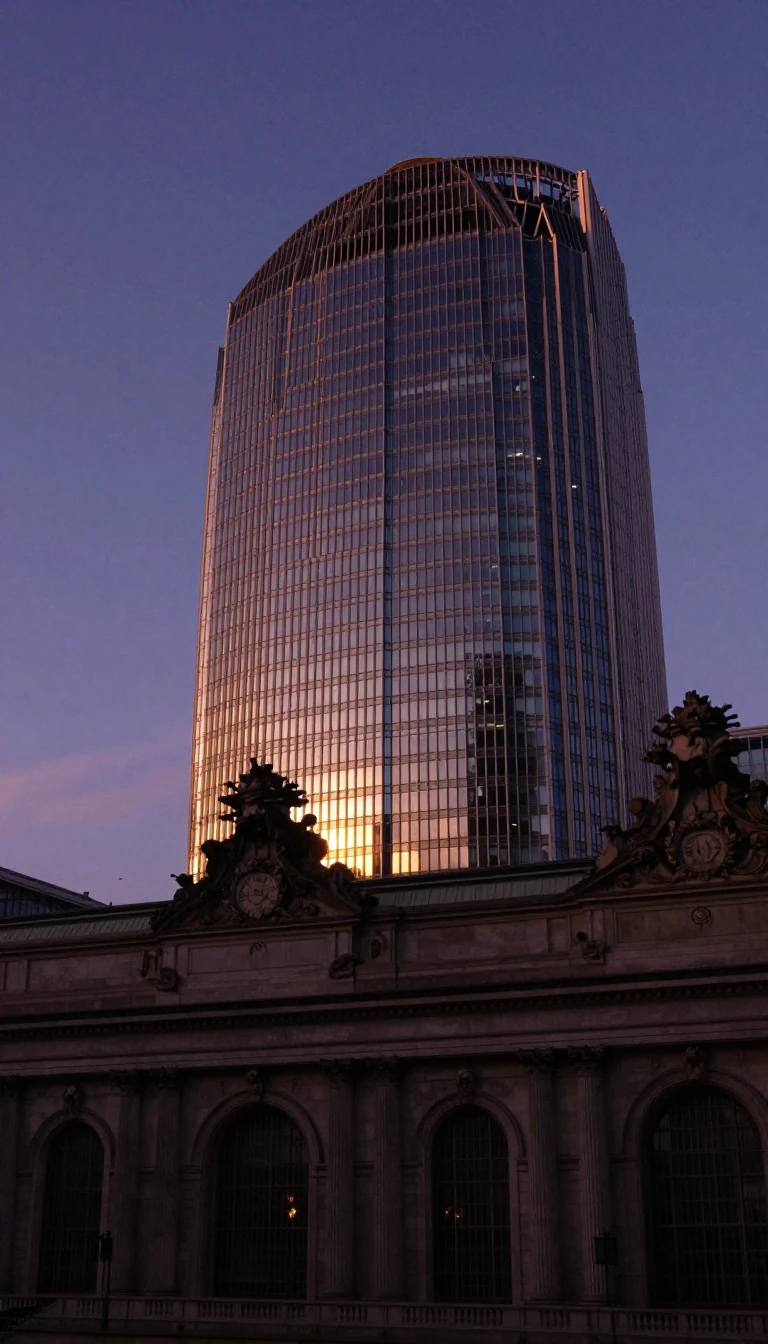
In short: Decades after the first proposals, the Metro Manila Subway is rising beneath the capital. This engineering feat aims to move over a million daily commuters while resisting seismic activity. It represents a shift in urban transit, utilizing advanced Japanese technology to navigate the city's complex geography and dense traffic.
The Metro Manila Subway, or MRT-9, is a 33-kilometer underground transit line currently under construction. First envisioned in a 1973 study by the Overseas Technical Cooperation Agency, the project faced numerous delays and shifts in scope over the following decades. It was officially revived as part of the Build! Build! Build! program in 2017, with construction beginning in 2019. The project is heavily supported by loans from the Japan International Cooperation Agency.
Engineered for resilience, the subway is designed to withstand a magnitude-8.0 earthquake, a critical feature given the proximity of the Marikina Valley Fault System. To achieve this, the alignment was adjusted to traverse solid adobe ground, and stations will incorporate specialized flood-prevention measures like high-level entrances and water-stop panels. The system will operate using a sophisticated signaling method that manages train movement through real-time digital communication, marking a first for the Philippines.
The subway is expected to transform regional mobility by connecting major hubs, including Ninoy Aquino International Airport and various business districts. While initial plans for express services were removed in favor of a conventional all-stop pattern, the system will feature high-capacity 8-car trainsets. Each train is projected to replace hundreds of private vehicles and buses, significantly easing the city's notorious congestion. As of July 2026, physical construction has reached approximately 32% completion, with an initial demonstration run between Valenzuela and Quirino Station targeted for 2028.
The project's long-term vision includes extensions into neighboring provinces like Bulacan and Cavite, potentially serving up to 1.74 million passengers daily. Beyond transit, the development includes the Philippine Railways Institute, a dedicated training facility located at the Valenzuela depot. This center will house test tracks and tunnel mock-ups, ensuring that the local workforce is prepared to operate and maintain the country's first predominantly underground heavy rail network.
Opens the Intellect+ feed with this card first. Swipe up for the next one.
Sources
- Summary by Intellect · source: Metro Manila Subway
To cite this card, link to https://intellectplus.co.uk/app/culture-metro-manila-subway.
How we source, check and correct cards: Editorial standards.
General information, not professional advice. Spotted an error? Flag the card or see corrections and complaints.
Intellect Plus is a visual educational discovery platform for exploring fascinating facts and ideas. Brain Food, Not Brain Rot. What is Intellect Plus?
Related
More in Festivals & celebrations · More in Cultures · Latest · A–Z · All topics
