Nova Scotia is a rugged Atlantic peninsula with a deep, complex Scottish heritage.
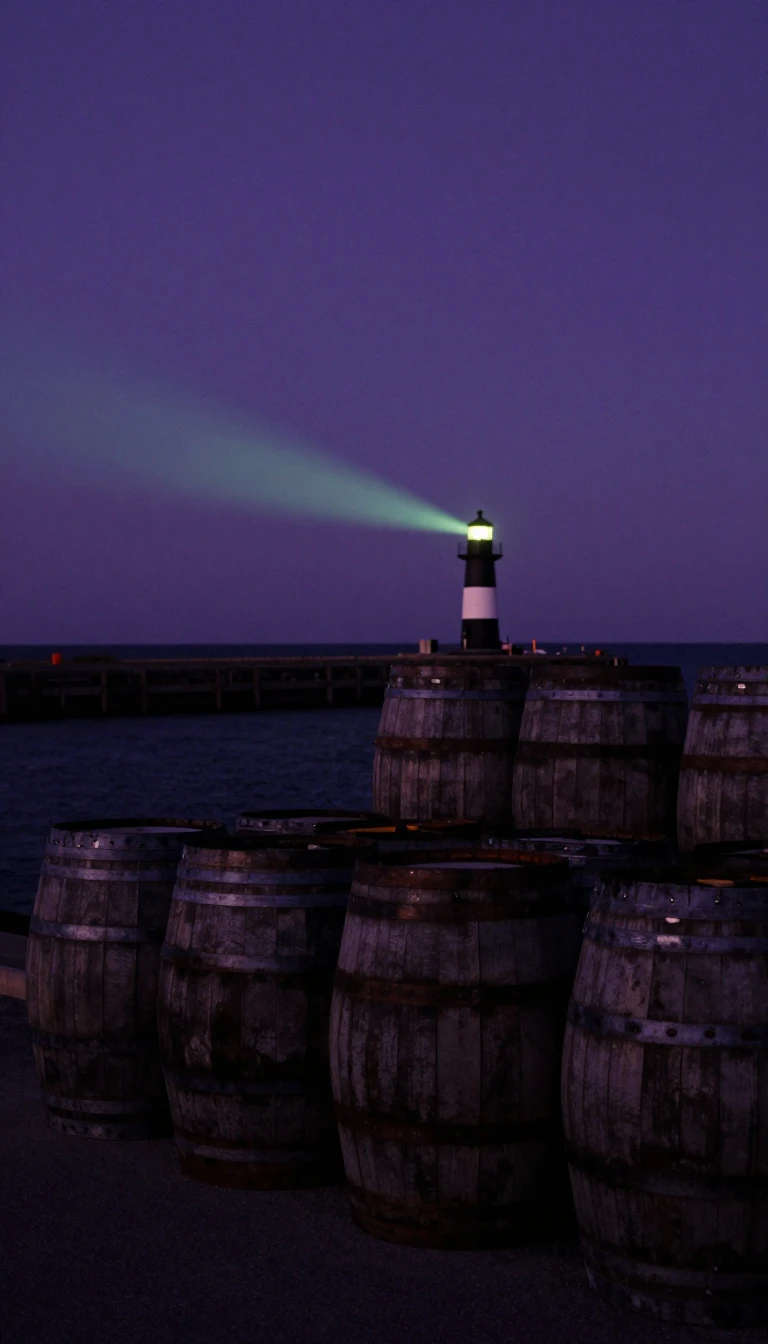
In short: Meaning New Scotland in Latin, this Canadian province is a land of dramatic tides, ancient fossils, and a history defined by centuries of colonial conflict. From its status as the first British colony to achieve self-governance to its unique Gaelic-speaking roots, Nova Scotia remains a distinct maritime powerhouse.
Nova Scotia’s identity is forged from a turbulent past. Originally the Mi'kmaw territory of Mi'kma'ki, the region became a focal point for European powers, shifting between French and British control for over a century. The 1713 Treaty of Utrecht formally ceded the territory to Britain, yet the area remained a theater of war until the mid-18th century. The arrival of thousands of Loyalists after the American Revolutionary War and the subsequent 1848 achievement of responsible government solidified its place within the British Empire before it joined the Canadian Confederation in 1867.
Geographically, the province is defined by its intimate relationship with the ocean; no point in the province is further than 67 kilometers from the sea. Its landscape ranges from the acidic granite of the southern peninsula to the fossil-rich cliffs of Joggins, a UNESCO World Heritage site. The Bay of Fundy, famous for having some of the world's highest tides, has been shaped by human intervention since the mid-17th century, when Acadian settlers began constructing dikes to reclaim marshland for agriculture.
Culturally, the province maintains a unique connection to its namesake. It hosts the most significant population of Scottish Gaelic speakers outside of Scotland, with the language still taught in schools and supported by provincial initiatives. This heritage exists alongside a diverse demographic landscape, where residents identify with a wide array of ethnic backgrounds, including English, Irish, French, and German, all contributing to the province's modern character as a maritime hub.
Opens the Intellect+ feed with this card first. Swipe up for the next one.
Sources
- Summary by Intellect · source: Nova Scotia
- Also: www.britannica.com — Nova Scotia | History, Map, Points of Interest, & Facts | Britannica
To cite this card, link to https://intellectplus.co.uk/app/culture-nova-scotia.
How we source, check and correct cards: Editorial standards.
General information, not professional advice. Spotted an error? Flag the card or see corrections and complaints.
Intellect Plus is a visual educational discovery platform for exploring fascinating facts and ideas. Brain Food, Not Brain Rot. What is Intellect Plus?
Related
More in UK & Irish culture · More in Cultures · Latest · A–Z · All topics
