Is post-rock really rock music, or just a sophisticated use of studio soundscapes?
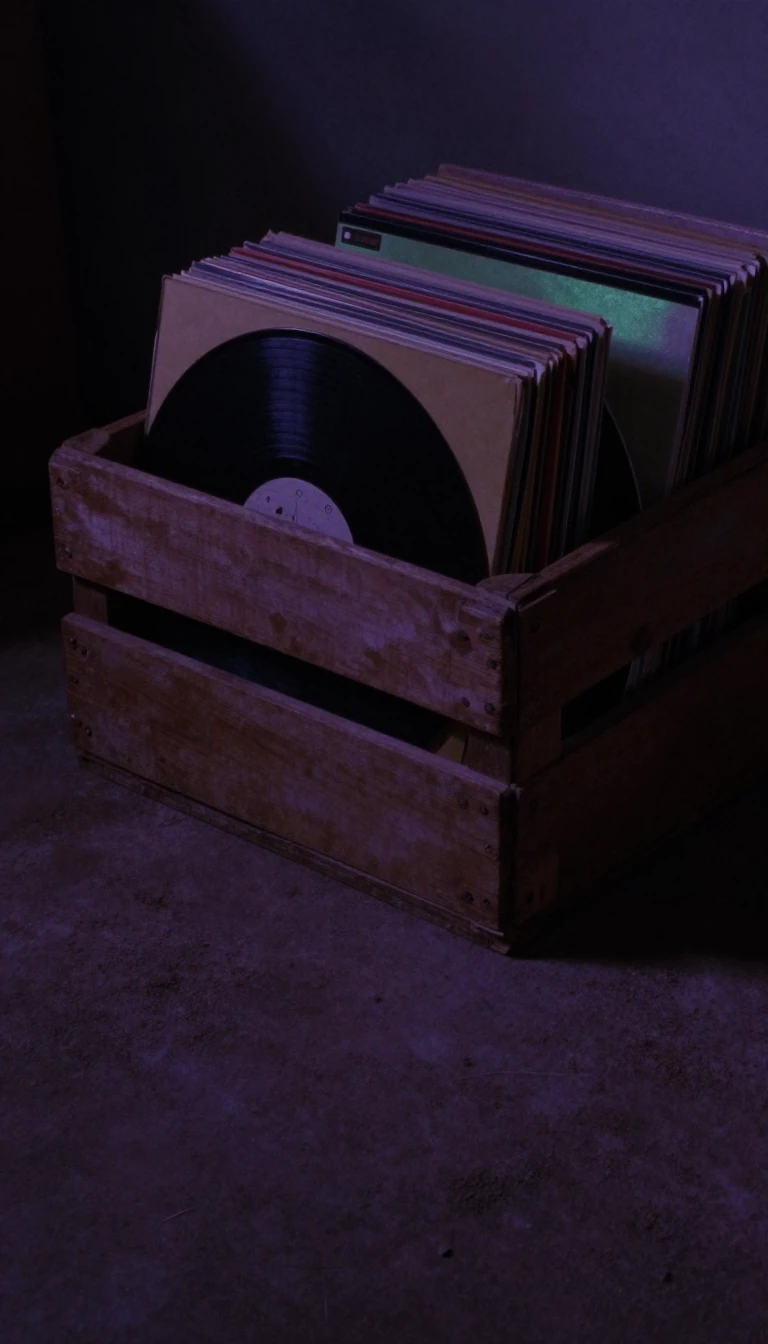
In short: Post-rock defies conventional song structures, favoring atmosphere and texture over standard riffs. Coined in the early 1990s, the term originally described experimental bands using rock instruments for non-rock purposes. Today, it often refers to dramatic, instrumental compositions, though many artists reject the label as too restrictive for their creative output.
The genre emerged in the 1980s and 1990s as artists began subverting traditional rock instrumentation. Instead of using guitars for melodies or power chords, musicians treated them as noise generators or texture-building tools, often employing effects like looping, distortion, and delay. This approach, which frequently abandoned traditional verse-chorus structures in favor of soundscapes, was heavily influenced by pioneers of minimalism like Steve Reich and Brian Eno, as well as the hypnotic motorik rhythms of 1970s krautrock.
Simon Reynolds, a music journalist, is credited with introducing the term in a 1993 article, later refining his definition to describe the use of rock gear for non-rock goals. By the mid-1990s, the term gained traction through reviews of albums like Bark Psychosis' 1994 release Hex and Tortoise's 1996 record Millions Now Living Will Never Die. However, the definition has shifted significantly over time. While early post-rock was associated with experimental, often electronic-infused indie groups, the 2000s saw the term increasingly applied to dramatic, crescendo-driven instrumental rock.
This evolution sparked controversy, with many prominent bands—including Mogwai, Tortoise, and Godspeed You! Black Emperor—rejecting the label. Critics and artists argued that the term became a catch-all that stripped diverse projects of their individuality. Despite this, the genre's influence remains vast, bleeding into metal, electronica, and ambient pop. From the lo-fi scenes of Bristol to the chamber-influenced soundscapes of Montreal, post-rock transformed the recording studio into an essential instrument, allowing artists to fragment and reassemble sound into abstract, evocative experiences that prioritize mood over groove.
Opens the Intellect+ feed with this card first. Swipe up for the next one.
Sources
- Summary by Intellect · source: Post-rock
- Also: Wikidata — post-rock · CC0
- Also: Wikidata — Post Rock · CC0
To cite this card, link to https://intellectplus.co.uk/app/places-post-rock.
How we source, check and correct cards: Editorial standards.
General information, not professional advice. Spotted an error? Flag the card or see corrections and complaints.
Intellect Plus is a visual educational discovery platform for exploring fascinating facts and ideas. Brain Food, Not Brain Rot. What is Intellect Plus?
Related
More in UK & Irish cities · More in Countries & Cities · Latest · A–Z · All topics
