How to decode the city by walking through it in unexpected ways
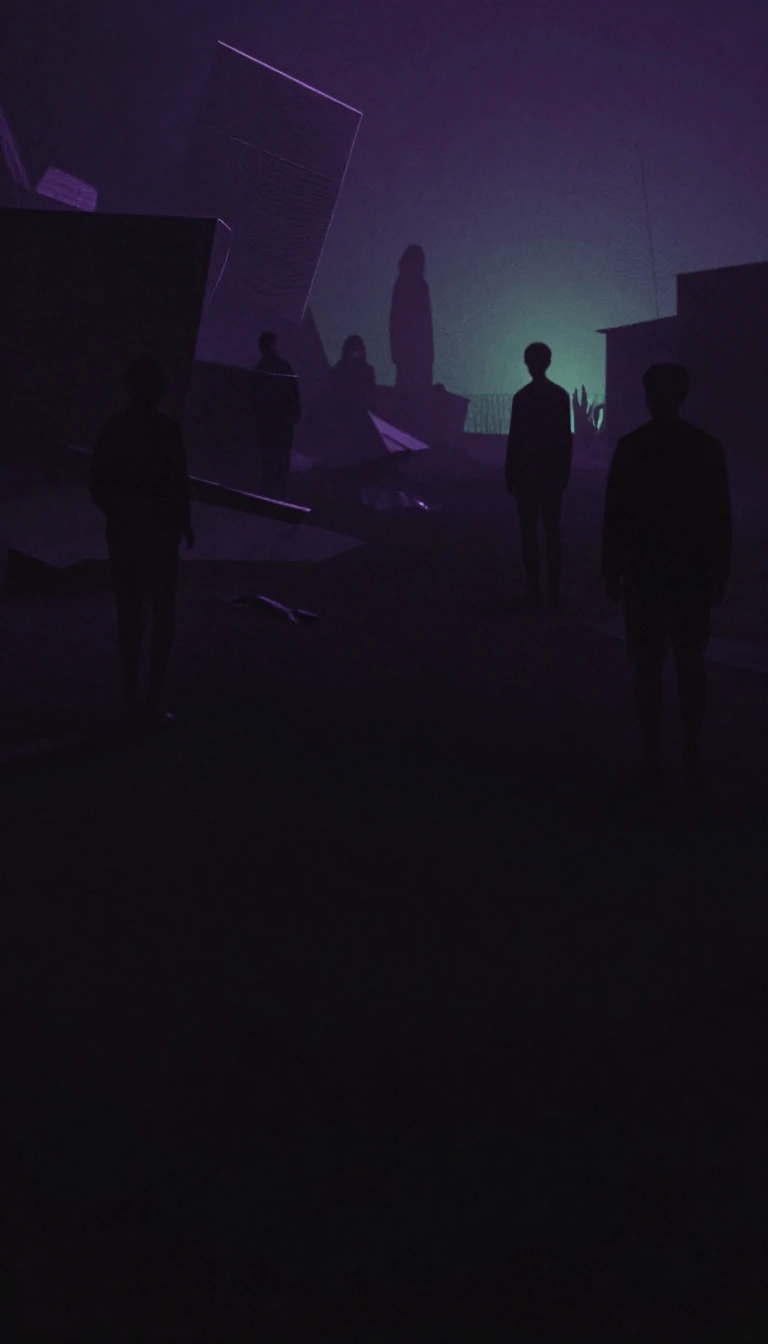
In short: Most people navigate cities via efficiency, but psychogeographers use a different map. By abandoning routine for a purposeful drift, they aim to uncover the emotional connections and hidden atmospheres that define urban life, turning a simple walk into a profound investigation of how space shapes the human soul.
Psychogeography is the study of how the geographical environment—whether consciously organized or not—affects the emotions and behavior of individuals. First used by the Lettrist International, a radical Paris-based collective active in the early 1950s, the term was described by Guy-Ernest Debord as a 'science of relations and ambiances.' Rather than mapping physical landmarks, psychogeographers seek to map the 'city-space cut-up,' decoding urban environments through movement that breaks the monotony of daily life.
The primary tactic for this exploration is the 'dérive,' or drift. This practice involves a sense of de-familiarization and the choice of unplanned encounters. It is an ethics of drifting that embraces incompleteness and ephemerality. As the writer Wilfried Hou Je Bek suggests, psychogeography is rooted in the fact that we form opinions about a space the moment we enter it, driven by hardwired instincts to determine if a location is safe.
The practice draws from a rich lineage of thinkers and wanderers. It finds precursors in the 'flâneur'—the urban dandy popularized by Charles Baudelaire who sought random encounters within the crowd. Other figures linked to this tradition include the opium-eater Thomas de Quincey, who wandered London without a set route, and authors like Edgar Allan Poe and Robert Louis Stevenson, whose works often depicted the dark, psychological underside of the city.
Today, psychogeography remains a diverse field influencing artists, academics, and activists. It moves beyond traditional geography, which focuses on how natural forces like climate impact economic structures, to focus on the subjective, psychological impact of the built environment on the individual human experience.
Opens the Intellect+ feed with this card first. Swipe up for the next one.
Sources
- Summary by Intellect · source: Psychogeography: A Purposeful Drift Through the City
- Also: Psychogeography
To cite this card, link to https://intellectplus.co.uk/app/culture-psychogeography.
How we source, check and correct cards: Editorial standards.
General information, not professional advice. Spotted an error? Flag the card or see corrections and complaints.
Intellect Plus is a visual educational discovery platform for exploring fascinating facts and ideas. Brain Food, Not Brain Rot. What is Intellect Plus?
Related
More in Culture · More in Cultures · Latest · A–Z · All topics
