A festival where mourning and spring growth exist in productive tension
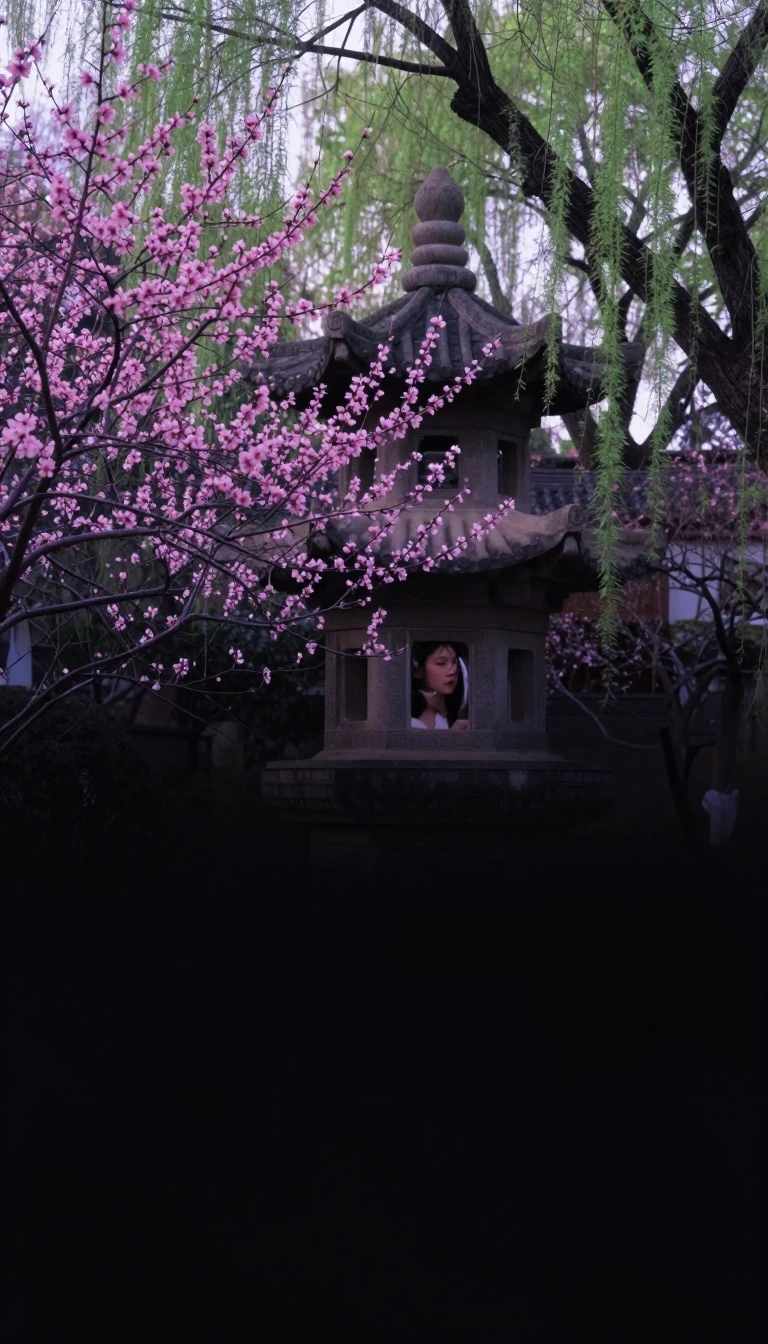
In short: In Chinese culture, the Qingming Festival is more than a day for cleaning graves. It is a profound intersection of filial piety and seasonal rebirth. While it honors the dead, its history reveals a complex layering of ancient folklore, imperial decrees, and modern political shifts.
The festival, also known as 'Clear and Bright,' occurs on the first day of the fifth solar term (the 15th day after the spring equinox). Its core practice is tomb sweeping—a duty rooted in the Confucian precept of filial piety. Because traditional burials were often located on hillsides far from settled areas, descendants would use this specific holiday to clear detritus and maintain ancestral sites. This tradition dates back at least 2,500 years, with records of nobility performing these rites as early as the Zhou dynasty (1046–256 BCE).
Qingming is inextricably linked with the 'Cold Food Festival' (Hanshi), which commemorates a tragic legend from the Spring and Autumn period. According to folklore, a nobleman named Jie Zitui was killed in a forest fire set by Duke Wen to force him out of hiding. Out of remorse, the duke banned fires on the anniversary of the event, leading subjects to subsist on cold food. This fusion is why many today associate the festival with qingtuan—sweet, green dumplings made from glutinous rice and mugwort. The two festivals merged over time, with Qingming becoming more prominent during the Qing dynasty.
The holiday's history also reflects significant political upheaval. In 1949, the Chinese Communist Party rebranded it as 'Martyrs Memorial Day' to shift focus from ancestral worship to nationalist martyrs. However, popular traditions persisted; in 1976, thousands gathered in Beijing to honor Zhou Enlai despite official restrictions. After the Cultural Revolution, religious activities were permitted again, and in 2008, the government officially declared Qingming a public holiday, allowing for a modern balance of state-sanctioned remembrance and private ancestral devotion.
Opens the Intellect+ feed with this card first. Swipe up for the next one.
Sources
- Summary by Intellect · source: Qingming Festival | Traditions, Food, Meaning, China, History, Tomb Sweeping, Practices, & Significance | Britannica
- Also: Qingming Festival
To cite this card, link to https://intellectplus.co.uk/app/culture-qingming-festival.
How we source, check and correct cards: Editorial standards.
General information, not professional advice. Spotted an error? Flag the card or see corrections and complaints.
Intellect Plus is a visual educational discovery platform for exploring fascinating facts and ideas. Brain Food, Not Brain Rot. What is Intellect Plus?
Related
More in Culture · More in Cultures · Latest · A–Z · All topics
