The public domain is not just a graveyard for expired copyrights, but a living foundation.
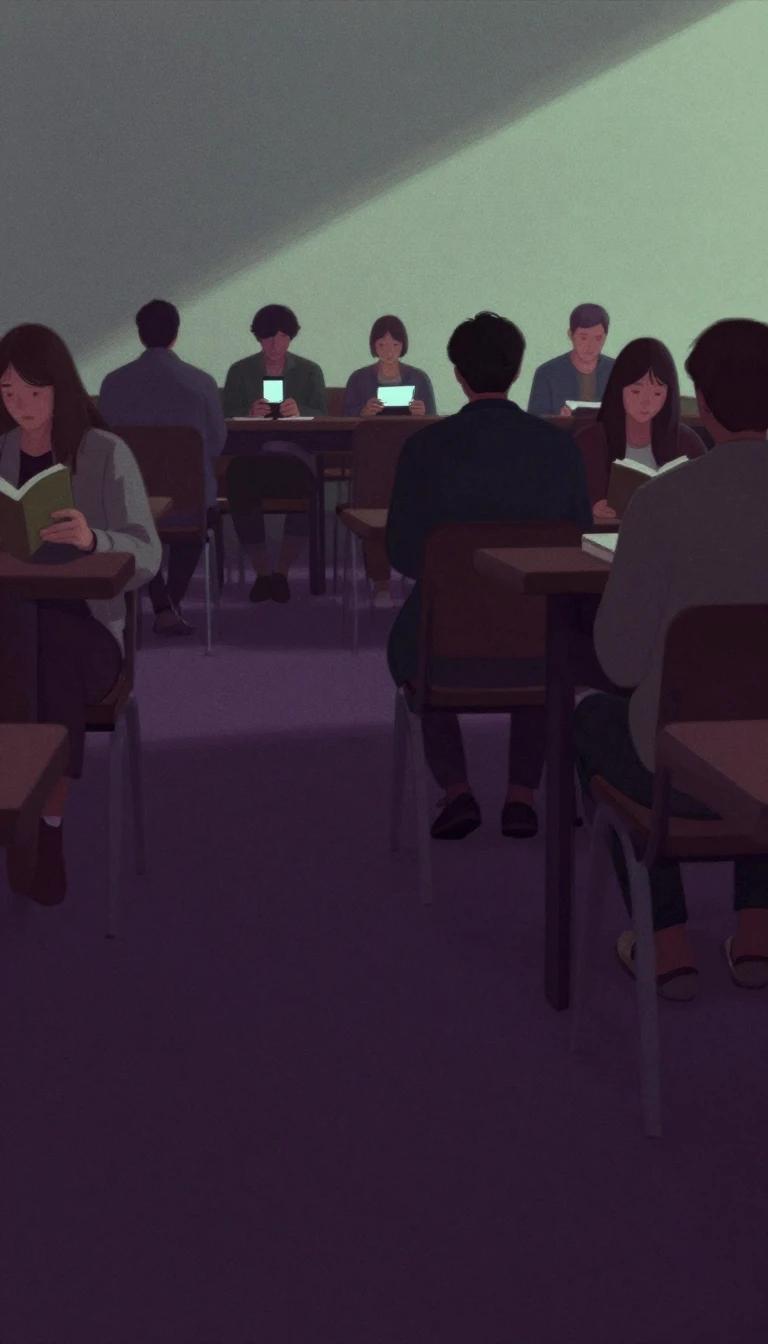
In short: Far from being a mere collection of abandoned works, the public domain is a vital, expansive resource. It serves as the bedrock for innovation, education, and cultural heritage, providing a sanctuary where ideas, facts, and creative expressions remain free for everyone to build upon, adapt, and reimagine without restriction.
The public domain is often misunderstood as a negative space—the leftovers of intellectual property. Yet, scholars like James Boyle and Pamela Samuelson argue it is a foundational necessity. It encompasses everything from Newtonian physics and cooking recipes to ancient texts, acting as a 'commons of the mind' that fuels follow-on innovation. By removing the need to negotiate rights or pay royalties, the public domain lowers barriers to entry, enabling competitive imitation and the creation of derivative works, such as the thousands of films based on Shakespeare’s plays.
The boundaries of this space are notoriously complex and vary by jurisdiction. While the United States generally treats works published before 1931 as public domain, other nations follow different rules, often tethering protection to the author's lifespan. This creates a fragmented landscape where a work might be free in one country but protected in another. Furthermore, the legal status of reproductions is contested; while US courts in the 1999 Bridgeman Art Library case ruled that exact copies of public domain images lack the originality required for new copyright, other jurisdictions, like Germany, have permitted protection for photographs based on the practical decisions made by the photographer.
Exceptions further complicate the picture. Some works, like the Authorized King James Version of the Bible in the UK, enjoy perpetual crown copyright, while others, such as J.M. Barrie’s Peter Pan, are subject to unique legislative mandates requiring royalties for commercial use. Additionally, some countries employ a 'paying public domain' model, where users may freely utilize works but must pay fees to support living artists. Ultimately, the public domain is not a static territory but a shifting concept, shaped by history, legal formalities, and the ongoing tension between private appropriation and the collective need for shared cultural and scientific heritage.
Opens the Intellect+ feed with this card first. Swipe up for the next one.
Sources
- Summary by Intellect · source: Public domain
To cite this card, link to https://intellectplus.co.uk/app/culture-public-domain.
How we source, check and correct cards: Editorial standards.
General information, not professional advice. Spotted an error? Flag the card or see corrections and complaints.
Intellect Plus is a visual educational discovery platform for exploring fascinating facts and ideas. Brain Food, Not Brain Rot. What is Intellect Plus?
Related
More in US culture · More in Cultures · Latest · A–Z · All topics
