Can a digital library truly own every book ever written without breaking the law?
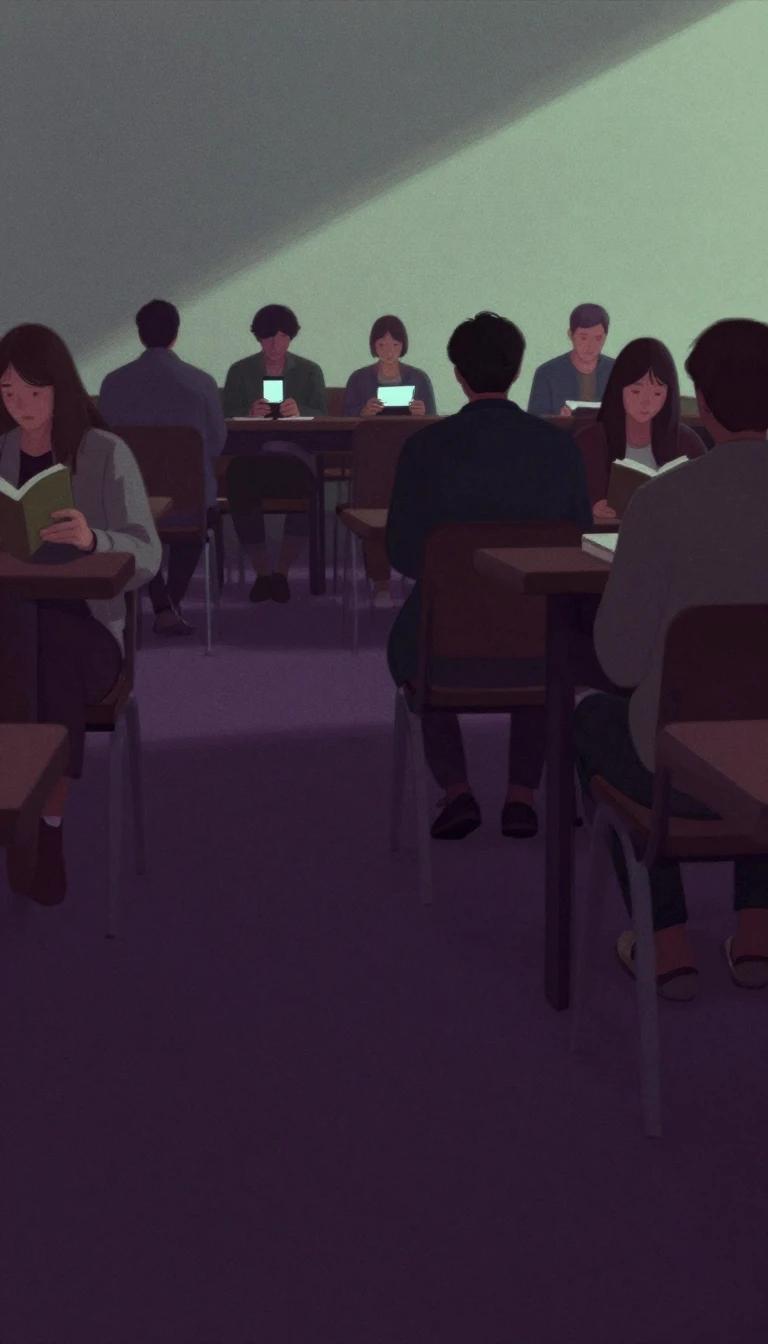
In short: The Open Library project aims to build a single webpage for every book in history. By digitizing physical copies, it offers a massive lending service. Yet, this ambitious mission has sparked a fierce legal battle over copyright, pitting the ideals of universal access against the rights of authors and publishers.
Launched in 2006 by the Internet Archive, the Open Library project was designed to create a comprehensive digital catalog of human literature. The initiative, spearheaded by figures like Aaron Swartz and Brewster Kahle, aggregates bibliographic data from sources including the Library of Congress and Amazon. Beyond simple cataloging, the project provides digital access to millions of books, utilizing controlled digital lending to allow users to borrow scanned copies of works that the organization physically owns.
The project's legal foundation rests on the concepts of fair use and the first-sale doctrine. Proponents argue that because the library possesses the original physical volumes, lending a digital scan is a modern extension of traditional library practices. However, this interpretation has faced intense scrutiny. Numerous organizations, including the American Authors Guild and various international writer unions, have long contended that the unauthorized distribution of these digital files constitutes mass copyright infringement, denying creators necessary revenue.
Tensions peaked during the COVID-19 pandemic when the project launched the National Emergency Library, which removed waitlists for digital books to support remote education. This move triggered a major lawsuit in June 2020 from four prominent publishing houses. By March 2023, a federal court ruled against the Internet Archive, finding that their scanning and distribution practices violated copyright law. Following a failed appeal in 2024, a 2025 settlement led to the removal of 500,000 books from the platform, marking a significant shift in the project's scope and the ongoing debate over digital ownership.
The project remains a technical marvel, built on custom frameworks like Infobase and Infogami, with its codebase hosted on GitHub. While the legal landscape has forced the removal of a vast number of titles, the Open Library continues to serve as a hub for book discovery, sponsorship, and accessibility, particularly for the print-disabled. It stands as a complex case study in how digital technology challenges established intellectual property frameworks in the information age.
Opens the Intellect+ feed with this card first. Swipe up for the next one.
Sources
- Summary by Intellect · source: Open Library
To cite this card, link to https://intellectplus.co.uk/app/ideas-open-library.
How we source, check and correct cards: Editorial standards.
General information, not professional advice. Spotted an error? Flag the card or see corrections and complaints.
Intellect Plus is a visual educational discovery platform for exploring fascinating facts and ideas. Brain Food, Not Brain Rot. What is Intellect Plus?
Related
More in Philosophers · More in Ideas & Philosophy · Latest · A–Z · All topics
