Climate shifts shaped how ancient human species moved and evolved
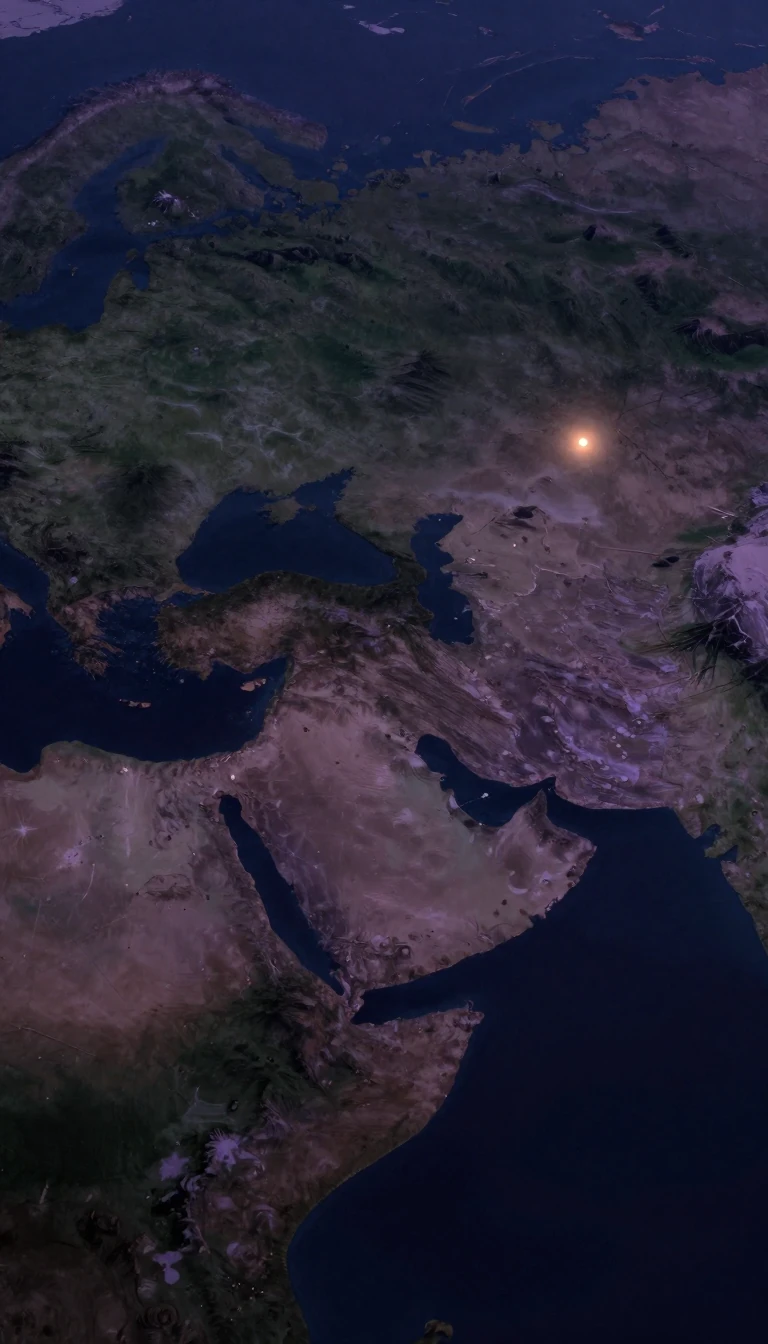
In short: Researchers using advanced climate simulations and fossil records found that changes in temperature and rainfall significantly influenced where five hominin species lived over the last two million years. The study observed that early human ancestors preferred stable environments, but later species became global wanderers capable of adapting to much wider climatic ranges.
By combining a complex climate model with archaeological data, the team reconstructed habitat suitability across the Pleistocene. They found that after the mid-Pleistocene transition, humans began inhabiting much more diverse climates. The researchers also suggest that simultaneous climate disruptions in Africa and Eurasia may have driven the evolutionary split of populations into different lineages.
Why it matters: Ancient human evolution was deeply intertwined with the Earth's changing climate patterns.
Opens the Intellect+ feed with this card first. Swipe up for the next one.
Sources
- Source: Research: Timmermann et al. (2022). Climate effects on archaic human habitats and species successions. Nature. · cc-by
To cite this card, link to https://intellectplus.co.uk/app/culture-research-climate-shifts-shaped-how-ancient-human-species-moved-and-ev.
How we source, check and correct cards: Editorial standards.
General information, not professional advice. Spotted an error? Flag the card or see corrections and complaints.
Intellect Plus is a visual educational discovery platform for exploring fascinating facts and ideas. Brain Food, Not Brain Rot. What is Intellect Plus?
Related
More in Ancient peoples · More in Cultures · Latest · A–Z · All topics
