The circular design of the Round Table was a clever solution to political ego
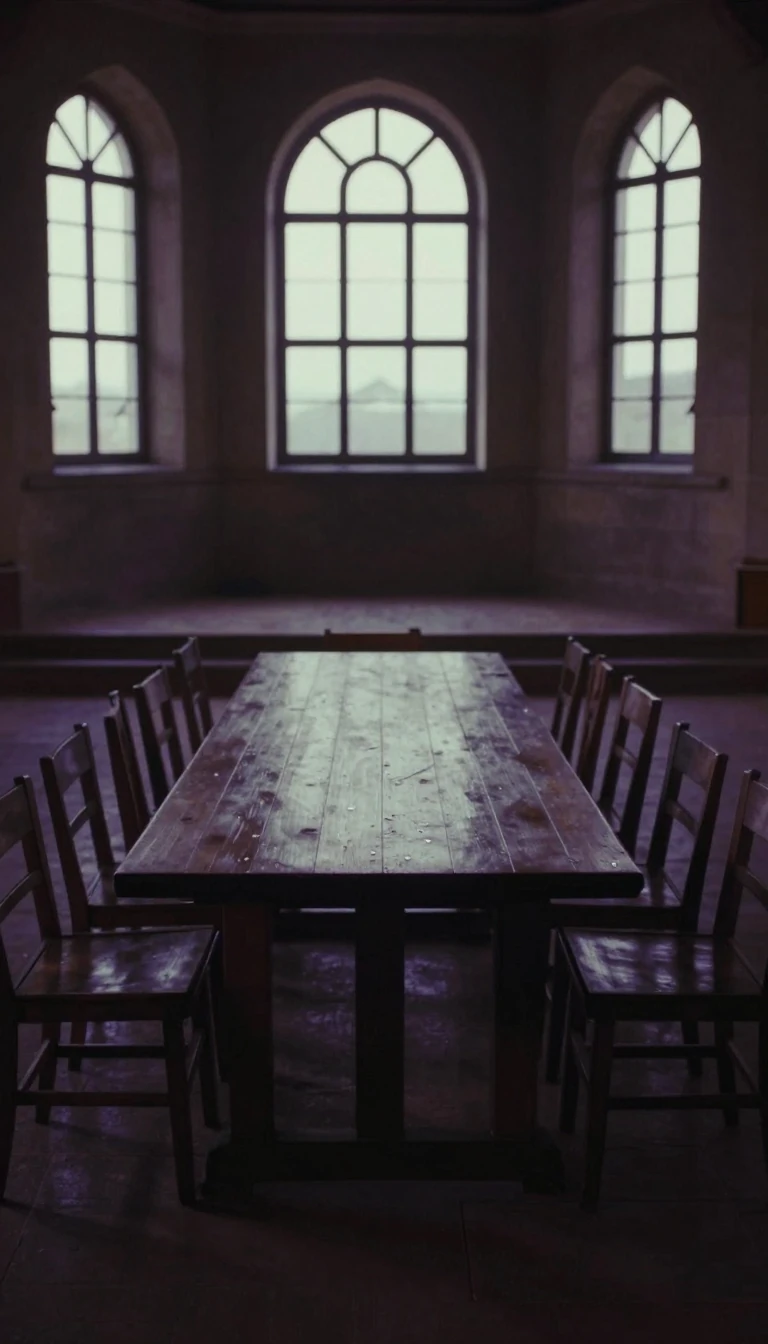
In short: In the medieval court, where you sat determined your worth. To prevent violent disputes among high-ranking barons who refused to yield precedence, a legendary solution emerged: a table with no head, ensuring every knight enjoyed equal status.
While the earliest Arthurian accounts focus on a magnificent court of warriors, the specific concept of the Round Table first appeared in the 1155 work of Wace. He recorded that the table was created to suppress quarrels among Arthur's barons, none of whom would accept a lower rank. Layamon later expanded this legend, suggesting a dispute at a Yuletide feast led a Cornish carpenter to build an enormous, portable circular table to restore peace.
The table's symbolism evolved significantly through the centuries. By the late 12th century, it represented the chivalric order of Arthur's court. Later, around 1200, Robert de Boron introduced a more spiritual dimension, claiming the magician Merlin created the table to imitate the Last Supper and the Grail Table used by Joseph of Arlamathea. In these versions, the table often featured a specific empty seat, such as the 'Siege Perilous,' reserved for the knight destined to achieve the Grail.
The legend also left a physical legacy in the real world. The Winchester Round Table, a massive 1.2-tonne artifact, dates to between 1250 and 1280. While its current paintwork was commissioned by Henry VIII, the timber likely dates to the reign of Edward I. Some historians suggest the table was created for a tournament held by Edward I near Winchester in 1290. Beyond furniture, the legend influenced real-world politics; in 1344, Edward III attempted to revive the Order of the Round Table, though the brutal realities of the Crécy campaign ultimately led him to establish the Order of the Garter instead.
Opens the Intellect+ feed with this card first. Swipe up for the next one.
Sources
- Summary by Intellect · source: Round Table
To cite this card, link to https://intellectplus.co.uk/app/culture-round-table.
How we source, check and correct cards: Editorial standards.
General information, not professional advice. Spotted an error? Flag the card or see corrections and complaints.
Intellect Plus is a visual educational discovery platform for exploring fascinating facts and ideas. Brain Food, Not Brain Rot. What is Intellect Plus?
Related
More in UK & Irish culture · More in Cultures · Latest · A–Z · All topics
