The Round Table was a legendary symbol of equality, but its size remains debated.
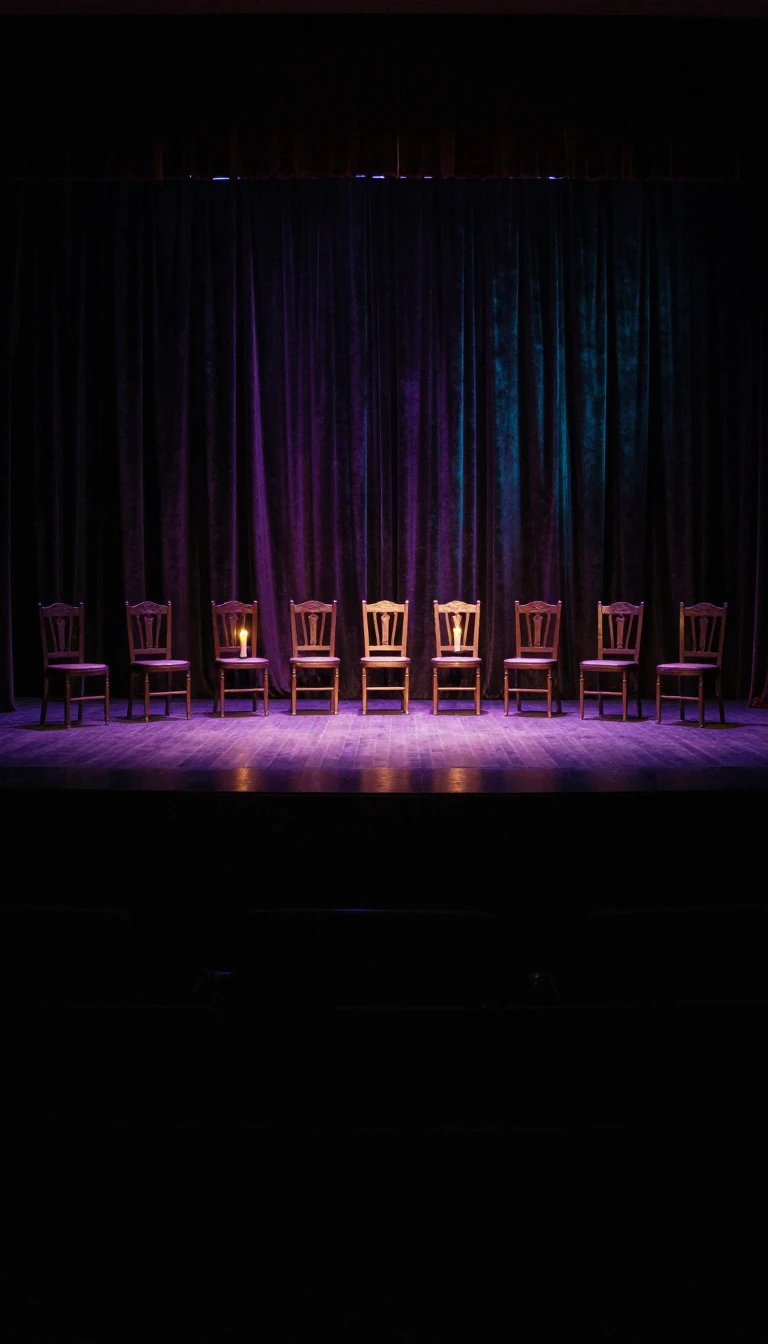
In short: First appearing in 12th-century French literature, the Knights of the Round Table served as a chivalric order dedicated to peace and the quest for the Holy Grail. While the table symbolized equality among members, historical and literary accounts wildly disagree on how many knights actually occupied its seats.
The fellowship first emerged in the mid-12th century within French-language Matter of Britain literature. Wace provided the earliest written record in his 1155 Roman de Brut, while Chrétien de Troyes later popularized the legend across international audiences. The table itself acted as a leveling mechanism, seating sovereign royals alongside minor nobles to ensure no member held a position of superior physical proximity to King Arthur.
Estimates of the table's capacity vary drastically across texts. While Layamon’s Brut claimed a staggering 1,600 seats, most medieval romances suggest a range between 100 and 300. Thomas Malory’s Le Morte d'Arthur, a seminal compilation, cites 140 or 150 members. Conversely, the 13th-century Winchester Round Table lists only 24 names. These discrepancies reflect the fluid nature of Arthurian tradition, where authors frequently added or removed knights to suit their specific narratives.
The order eventually fractured into warring factions following the revelation of Lancelot’s adultery with Queen Guinevere. This decline mirrored the internal instability of the kingdom itself. The legend’s influence persisted long after the medieval period; in 1344, King Edward III of England attempted to institutionalize the myth by creating his own Order of the Round Table at Windsor Castle, choosing 300 as the official number of seats.
Beyond the core knights, the tradition includes complex, often contradictory genealogies and minor figures. Characters like Dodinel the Wild or the Saracen king Esclabor the Unknown illustrate the vast, evolving nature of the cycle. Whether through the Grail Quest or the final battle at Salisbury, these figures remain central to a tradition that continues to blend folklore, political aspiration, and chivalric ideals.
Opens the Intellect+ feed with this card first. Swipe up for the next one.
Sources
- Summary by Intellect · source: Knights of the Round Table
To cite this card, link to https://intellectplus.co.uk/app/culture-knights-of-the-round-table.
How we source, check and correct cards: Editorial standards.
General information, not professional advice. Spotted an error? Flag the card or see corrections and complaints.
Intellect Plus is a visual educational discovery platform for exploring fascinating facts and ideas. Brain Food, Not Brain Rot. What is Intellect Plus?
Related
More in UK & Irish culture · More in Cultures · Latest · A–Z · All topics
