The ancient Arctic lineage that survived the frozen poles
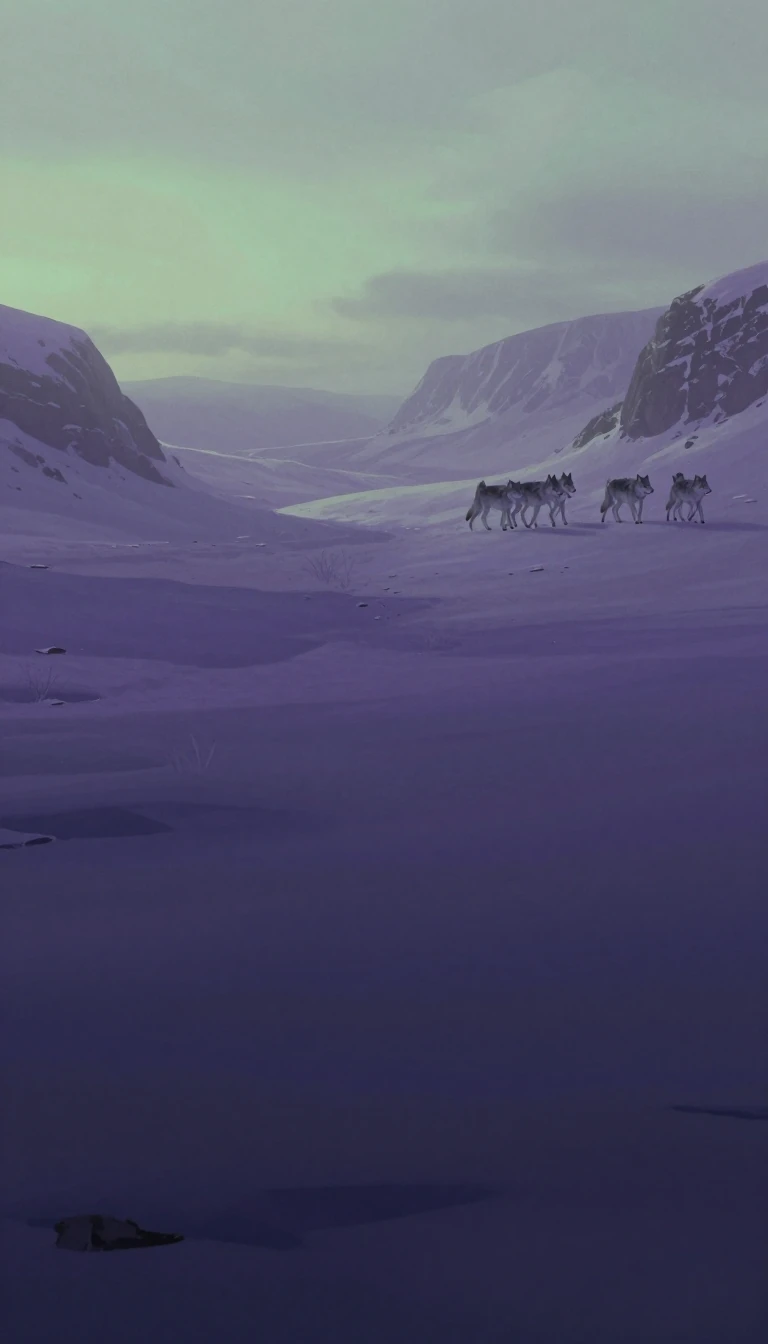
In short: Before they were show dogs in England, Samoyeds were the essential partners of the Nenets people. From pulling sleds in the North Pole expedition to the Antarctic, these resilient dogs carry a genetic history that stretches back thousands of years through the harsult Arctic landscapes.
The Samoyed is a basal breed, meaning its lineage predates the modern dog breeds that emerged in the 19th century. Genomic studies of specimens found on the Yamal Peninsula reveal a profound continuity; 100-year-old dogs are closely related to much older specimens dated 850 and 2,000 years ago. This lineage descends from the Nenets Herding Laika, a spitz-type dog used by the Samoyedic peoples for hunting, protection, and reindeer herding.
Their history is inextricably linked to polar exploration. During the 1893–1896 Fram expedition, 33 dogs were purchased from the Nenets people, though none of the 28 used in the North Pole attempt survived. In contrast, the Southern Cross Expedition (1898–1900) introduced 90 Samoyeds to the Antarctic, marking the first time these dogs were used in southern hemisphere exploration. While some dogs were lost to quarantine in New Zealand, others, like the nine purchased by Ernest Shackletons, continued the breed's legacy.
Beyond their utility, the breed is physically defined by a thick, double-layered, dirt-repellent coat. While often appearing pure white, they can possess a 'biscuit' brown tint. This coat is so dense that Samoyeds may sleep with their tails over their noses for warmth. While their friendly 'Sammie smile' makes them excellent companions, they face specific genetic challenges, such as Samoyed hereditary glomerulopathy, a kidney disease caused by a mutation in the COL4A5 gene.
Today, the breed is maintained through strict standards, such as the 1909 English standard. While they are often called hypoallergenic, they do shed heavily, a process known as 'blowing coat.' Interestingly, their shed fur is sometimes used as a wool alternative for knitting or to create artificial flies for fishing.
Opens the Intellect+ feed with this card first. Swipe up for the next one.
Sources
- Summary by Intellect · source: Samoyed dog
To cite this card, link to https://intellectplus.co.uk/app/culture-samoyed-dog.
How we source, check and correct cards: Editorial standards.
General information, not professional advice. Spotted an error? Flag the card or see corrections and complaints.
Intellect Plus is a visual educational discovery platform for exploring fascinating facts and ideas. Brain Food, Not Brain Rot. What is Intellect Plus?
Related
More in UK & Irish culture · More in Cultures · Latest · A–Z · All topics
