The modern suit is a four-hundred-year-old evolution of royal court dress
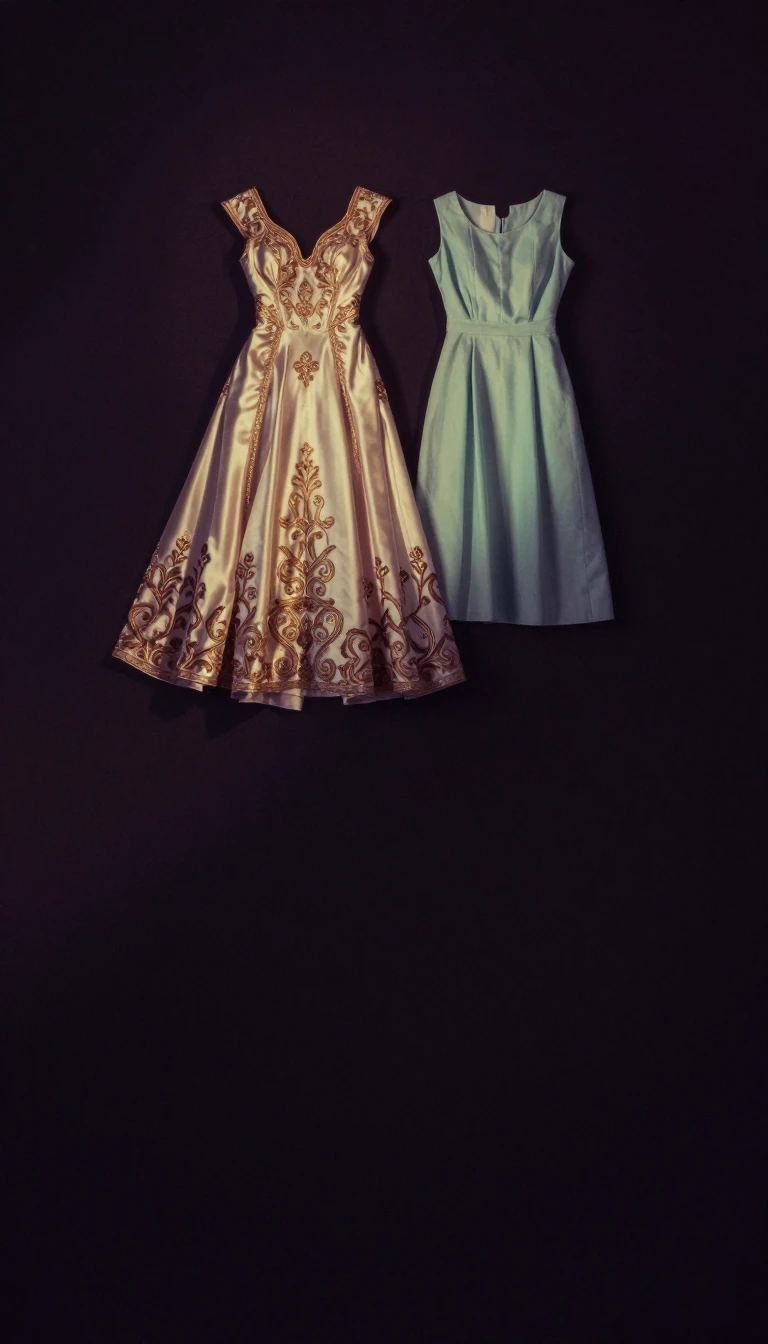
In short: Once an elaborate display of royal status, the suit has spent centuries shedding its ornamentation. From the rigid, wig-wearing standards of King Charles II to the streamlined silhouettes of the modern era, the suit has constantly reinvented itself, moving from the country estate to the boardroom and beyond.
The modern lounge suit traces its lineage to 1666, when King Charles II of England established a sartorial standard inspired by the French court of Louis XIV. This early ensemble was far from the minimalist business wear we recognize today; it included a long coat, a waistcoat, a cravat, a wig, knee breeches, and a hat. It was not until the early 19th century that Beau Brummell, a British dandy, stripped away the excess. Brummell championed a more restrained aesthetic, favoring well-cut, tailored clothing in somber colors, which laid the foundation for the modern suit jacket and full-length trousers.
Throughout the 19th and 20th centuries, the suit underwent dramatic shifts in response to changing social norms and technological advancements. The late 19th century saw the birth of the lounge suit as an informal garment for sports and seaside leisure, while the 1920s introduced wide-legged trousers and high-waisted cuts. By the mid-20th century, the suit had become a symbol of both professional conformity and cultural rebellion. The 1950s gray flannel suit, for instance, became a shorthand for middle-class stability, while the 1960s and 70s saw the rise of the Nehru jacket, the disco suit, and the groundbreaking introduction of the women's tuxedo by Yves Saint Laurent in 1966.
The suit's history is also a story of democratization and simplification. Cloth rationing during the Second World War forced a reduction in excess fabric, leading to the decline of the double-breasted cut and the rise of more streamlined designs. Even as the suit evolved through the power-dressing 1980s and the varied trends of the 21st century, it has remained a flexible canvas for social identity. Whether through the subcultural adoption of the Zoot suit or the practical innovation of suit separates, the garment continues to balance its reputation as a conservative costume with a history of constant, often radical, reinvention.
Opens the Intellect+ feed with this card first. Swipe up for the next one.
Sources
- Summary by Intellect · source: History of suits
To cite this card, link to https://intellectplus.co.uk/app/culture-history-of-suits.
How we source, check and correct cards: Editorial standards.
General information, not professional advice. Spotted an error? Flag the card or see corrections and complaints.
Intellect Plus is a visual educational discovery platform for exploring fascinating facts and ideas. Brain Food, Not Brain Rot. What is Intellect Plus?
Related
More in Fashion through the ages · More in Cultures · Latest · A–Z · All topics
