How Catherine the Great used porcelain to project a vision of imperial Neoclassicism
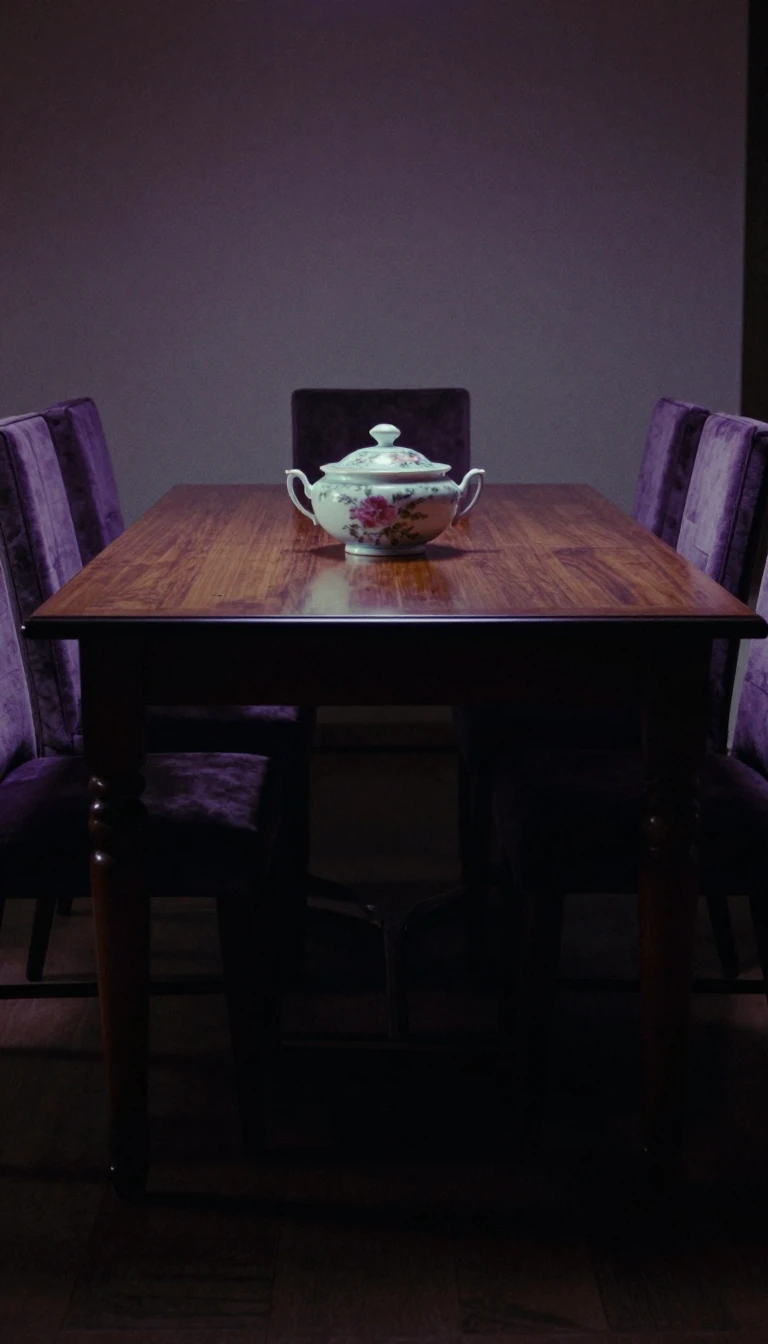
In short: In 1776, Empress Catherine II commissioned a massive dinner service from the Sèvres manufactory. This set, featuring eight hundred pieces, was designed to showcase the newest style of the era: Neoclassicism. It was not merely tableware, but a deliberate architectural and artistic statement reflecting the empress's sophisticated imperial ambitions.
The commission, placed through the Russian ambassador in Paris, arrived at the Sèvres porcelain manufactory during a period when Catherine the Great, who reigned from 1761 to 1796, sought to align her image with the cultural heights of Europe. The resulting service included sixty place settings, tea and coffee services, and a centerpiece featuring biscuit figures representing the Arts and Sciences. Beyond the functional items, the set incorporated numerous architectural elements, demonstrating the empress's desire to integrate classical design into the daily life of the Russian court.
The aesthetic of the service was rooted in Neoclassicism, a movement that drew heavily on Greco-Roman motifs. Each plate was adorned with a turquoise-blue ground imitating semi-precious stone and rimmed with depictions of ancient Roman history, such as the soldier Mucius Scevola and King Numa Pompilius. The pieces were marked with the monogram E II, surmounted by the Russian imperial crown and encircled by laurel and myrtle—symbols sacred to Apollo and Venus. This iconography served to frame Catherine as a patron of the arts and a ruler of classical virtue.
This focus on imported European styles was a long-standing tradition in Russian architectural and decorative history. Since the conversion of Kievan Rus' to Orthodox Christianity in 988 AD under Vladimir the Great, Russian monumental construction often relied on foreign expertise. Early churches, such as the cathedral of St. Sophia in Kiev, utilized Byzantine inscribed-cross typologies and were often built by imported Greek masters. Over time, these foreign prototypes were modified by local craftsmen, incorporating influences from Bulgaria, Georgia, and Armenia to create distinct regional styles. Catherine’s porcelain commission represents a later iteration of this pattern, where the Russian state actively imported and adapted Western European trends to define its own imperial identity.
Opens the Intellect+ feed with this card first. Swipe up for the next one.
Sources
- Summary by Intellect · source: Plate ordered by Empress Catherine II of Russia
- Also: Architecture of Russia
To cite this card, link to https://intellectplus.co.uk/app/design-architecture-of-russia.
How we source, check and correct cards: Editorial standards.
General information, not professional advice. Spotted an error? Flag the card or see corrections and complaints.
Intellect Plus is a visual educational discovery platform for exploring fascinating facts and ideas. Brain Food, Not Brain Rot. What is Intellect Plus?
Related
More in Architecture · More in Design · Latest · A–Z · All topics
