African architecture is defined by a profound dialogue between environment, culture, and available materials.
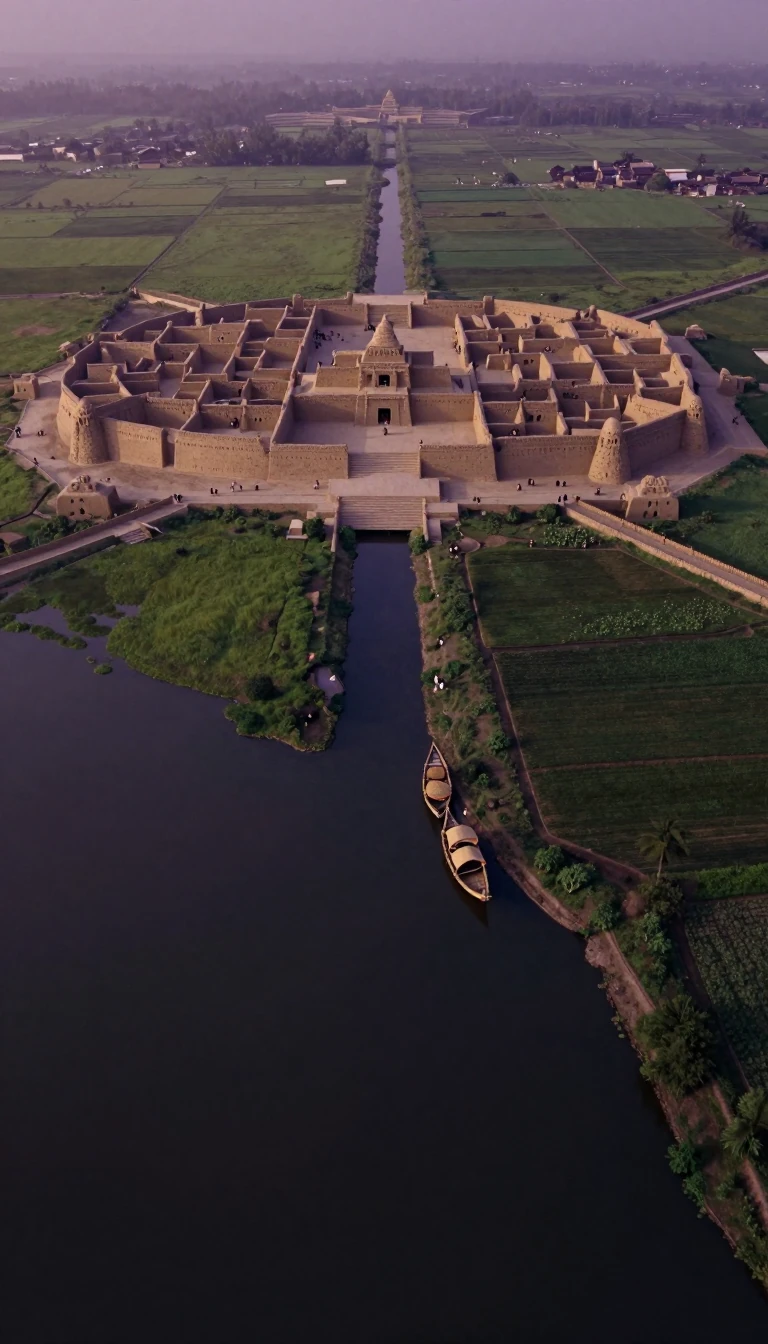
In short: Far from a monolithic style, African architecture spans thousands of years and diverse ecosystems. From the mud-built mosques of Mali to the stone-hewn churches of Ethiopia, building techniques are shaped by local resources, climate, and social structures, creating a rich tapestry of design that defies simple categorization or Western stereotypes.
The architecture of Africa is exceptionally diverse, reflecting the interaction of environmental factors like vegetation and climate with regional economies. In rural areas, the overwhelming majority of peoples build with grasses, wood, and clay. Because these materials are often perishable, many existing structures are of relatively recent date, despite being based on forms that are centuries old. In forest regions, hardwoods, bamboo, and raffia palm are common, while nomadic groups in drier areas utilize tents made of animal skins and woven hair.
Stone, being the most durable material, has allowed some ancient structures to survive. Notable examples include the stone-walled kraals of early Sotho and Tswana settlements and the monumental ruins of Great Zimbabwe, which reached its peak between the 3rd and 15th centuries. While Great Zimbabwe is a famous national symbol, its massive defensive walls and conical towers are atypical of the broader African architectural landscape. Elsewhere, the Tigre of Eritrea and Sudan have built two-story stone farmhouses for centuries, demonstrating the continent's wide range of traditional masonry.
Cultural and religious influences have also left distinct marks. North Africa and the coasts of Kenya and Tanzania show significant Islamic influence, seen in monuments and mosques. In West Africa, the Sudano-Sahelian style is a prominent regional tradition. Beyond utility, architecture serves as a canvas for cultural expression, such as the Yoruba veranda posts sculpted by Olowe of Ise, which integrate spiritual power and political hierarchy into the built environment. Today, modern African architecture continues to evolve by incorporating both traditional vernacular styles and new technologies, reflecting the ongoing migration and urbanization trends of the 20th and 21st centuries.
Opens the Intellect+ feed with this card first. Swipe up for the next one.
Sources
- Summary by Intellect · source: African architecture | Characteristics, History, Styles, Types, & Facts | Britannica
- Also: Architecture of Africa
- Also: Art Institute of Chicago — Veranda Post (Òpó Ògògá) · CC0 (data); description CC BY 4.0
To cite this card, link to https://intellectplus.co.uk/app/design-architecture-of-africa.
How we source, check and correct cards: Editorial standards.
General information, not professional advice. Spotted an error? Flag the card or see corrections and complaints.
Intellect Plus is a visual educational discovery platform for exploring fascinating facts and ideas. Brain Food, Not Brain Rot. What is Intellect Plus?
Related
More in Architecture · More in Design · Latest · A–Z · All topics
