From Crusader castles to Bauhaus skyscrapers, how Israel built its unique urban identity
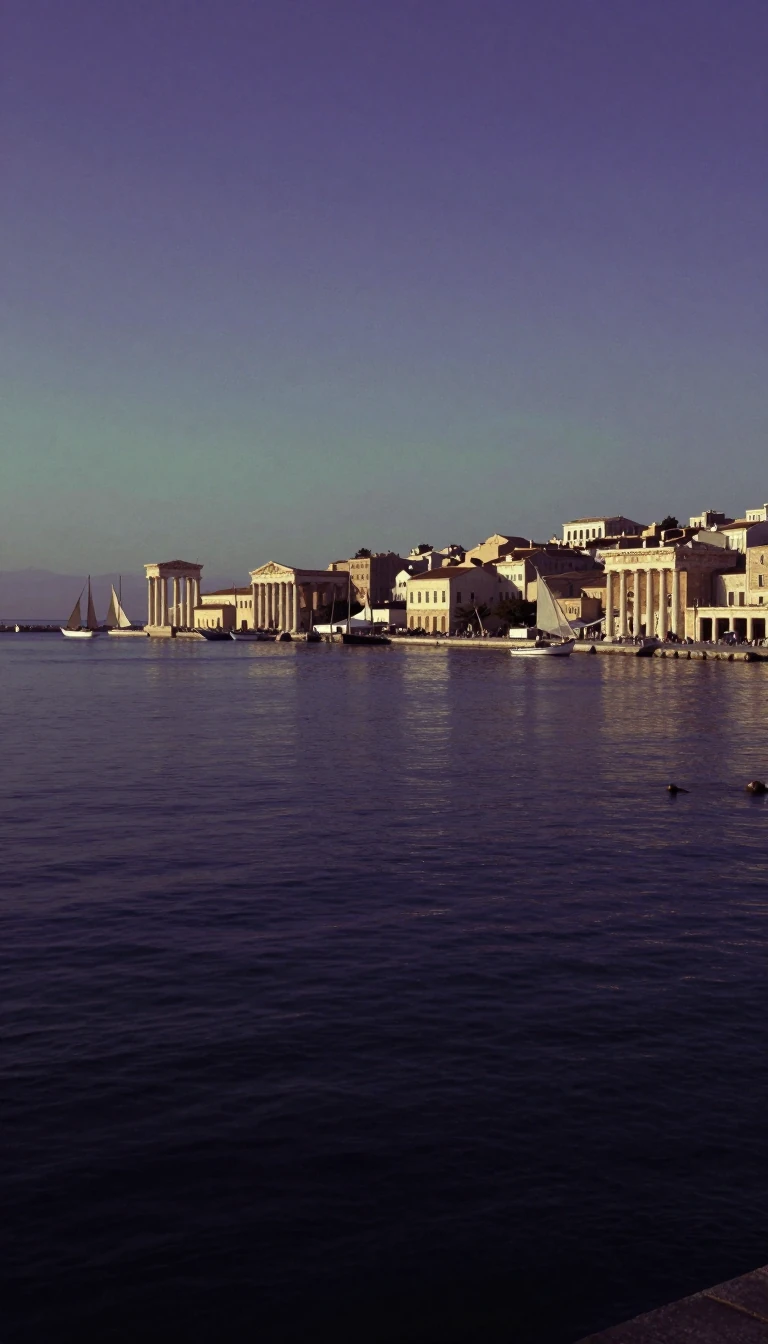
In short: Israel’s architectural landscape is a layered history of survival and adaptation. From ancient limestone quarries and traditional mud-brick homes to the world’s largest collection of Bauhaus buildings, the nation’s design reflects a constant negotiation between harsh climates, rapid immigration, and the evolving ideals of a modern, shifting society.
The architectural history of Israel is a palimpsest of diverse cultural influences, ranging from Byzantine churches and Crusader castles to Islamic madrasas and Russian Orthodox domes. Historically, construction relied on local materials like limestone and sundried mud bricks. Traditional village housing, such as that found in Lifta, evolved from simple single-room structures into multi-level homes with distinct functional zones for livestock and family life, eventually incorporating cross-vaulted residential stories by the late 19th century.
The 20th century brought a radical shift, driven by the influx of European architects fleeing political instability. During the British Mandate, Tel Aviv became a laboratory for the International Style, later designated a UNESCO World Heritage site for its "White City" of over 4,000 Bauhaus-influenced buildings. Simultaneously, municipal laws in Jerusalem, rooted in a 1918 master plan by Sir William McLean, mandated that all buildings be faced with local stone, a tradition that persists today.
Post-1948, the urgent need to house massive waves of immigrants led to the rise of Brutalist concrete tenements, often called "rakevet" for their monotonous, train-like length. While these structures defined the landscape for decades, they are now being transformed or replaced by modern skyscrapers and urban renewal programs like TAMA 38 and "pinui binui." Today, the architectural dialogue continues through diverse expressions, from the neo-futuristic "blobitecture" of the Pavie House to the glass-sided towers that now dominate the skyline, reflecting Israel's ongoing transition from a pioneer society to a modern urban hub.
Opens the Intellect+ feed with this card first. Swipe up for the next one.
Sources
- Summary by Intellect · source: Architecture of Israel
To cite this card, link to https://intellectplus.co.uk/app/design-architecture-of-israel.
How we source, check and correct cards: Editorial standards.
General information, not professional advice. Spotted an error? Flag the card or see corrections and complaints.
Intellect Plus is a visual educational discovery platform for exploring fascinating facts and ideas. Brain Food, Not Brain Rot. What is Intellect Plus?
Related
More in Architecture · More in Design · Latest · A–Z · All topics
