How Song Dynasty architects turned wooden beams into a sophisticated, high-tech art form
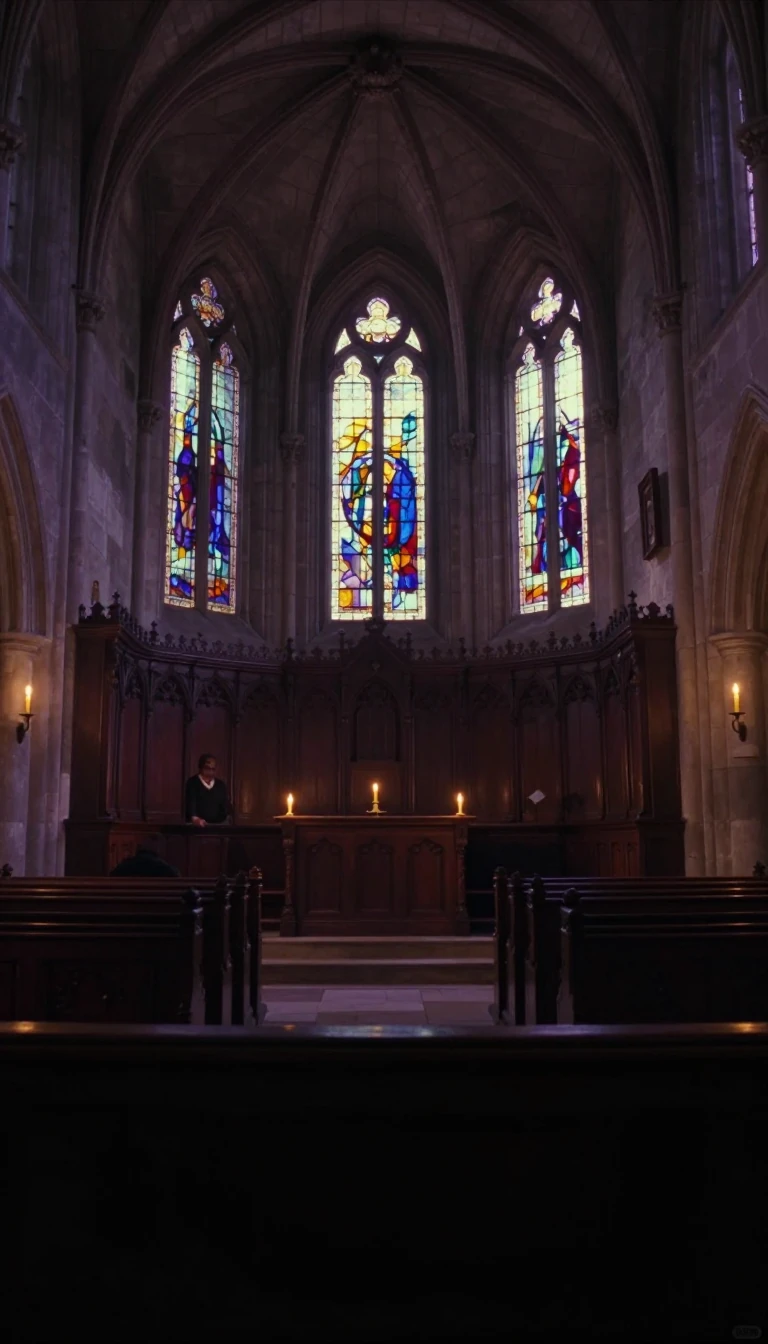
In short: Song dynasty architecture was a masterclass in structural innovation, blending complex engineering with refined aesthetics. From soaring pagodas to intricate bracket systems, these builders transformed timber into dynamic, functional structures. Though few original buildings remain, their legacy survives through detailed manuals and artistic depictions that reveal a remarkably advanced civilization.
During the Song dynasty, building design evolved from the sturdy, simple styles of the Tang era into a highly complex and experimental field. Architects moved beyond basic construction, introducing curved eaves and sagging roof silhouettes that defined the period's distinct look. Central to this innovation was the dougong, a bracket cluster that grew increasingly elaborate, often incorporating dozens of unique types within a single structure to support massive wooden frames.
The technical sophistication of the era is best exemplified by the work of master builders like Li Jie, who compiled the Yingzao fashi in 1100. This encyclopedic guide standardized construction practices, covering everything from carpentry to stonework. While this manual helped disseminate advanced techniques, some historians suggest that by codifying these methods, it may have inadvertently encouraged a sense of conservatism in later centuries. Despite this, the period remained defined by its diversity, with regional styles like the Tenjiku-yo and Kara-yo influencing architecture as far away as Japan.
Urban life in capitals like Kaifeng and Hangzhou pushed architects to innovate in confined spaces. In the dense, vertical environment of Hangzhou, buildings reached three to five stories, while pagodas—some over 100 meters tall—dominated the skyline. Because most timber structures from this time have been lost to fire or decay, our understanding relies on precious primary sources, such as the detailed hand-painted scrolls by artists like Zhang Zeduan and the surviving brick pagodas that mimic the intricate bracketing of wooden originals.
Opens the Intellect+ feed with this card first. Swipe up for the next one.
Sources
- Summary by Intellect · source: Chinese architecture - Song, Liao, Jin | Britannica
- Also: Architecture of the Song dynasty
To cite this card, link to https://intellectplus.co.uk/app/design-architecture-of-the-song-dynasty.
How we source, check and correct cards: Editorial standards.
General information, not professional advice. Spotted an error? Flag the card or see corrections and complaints.
Intellect Plus is a visual educational discovery platform for exploring fascinating facts and ideas. Brain Food, Not Brain Rot. What is Intellect Plus?
Related
More in Architecture · More in Design · Latest · A–Z · All topics
