The belfry: a linguistic evolution from siege towers to bell towers
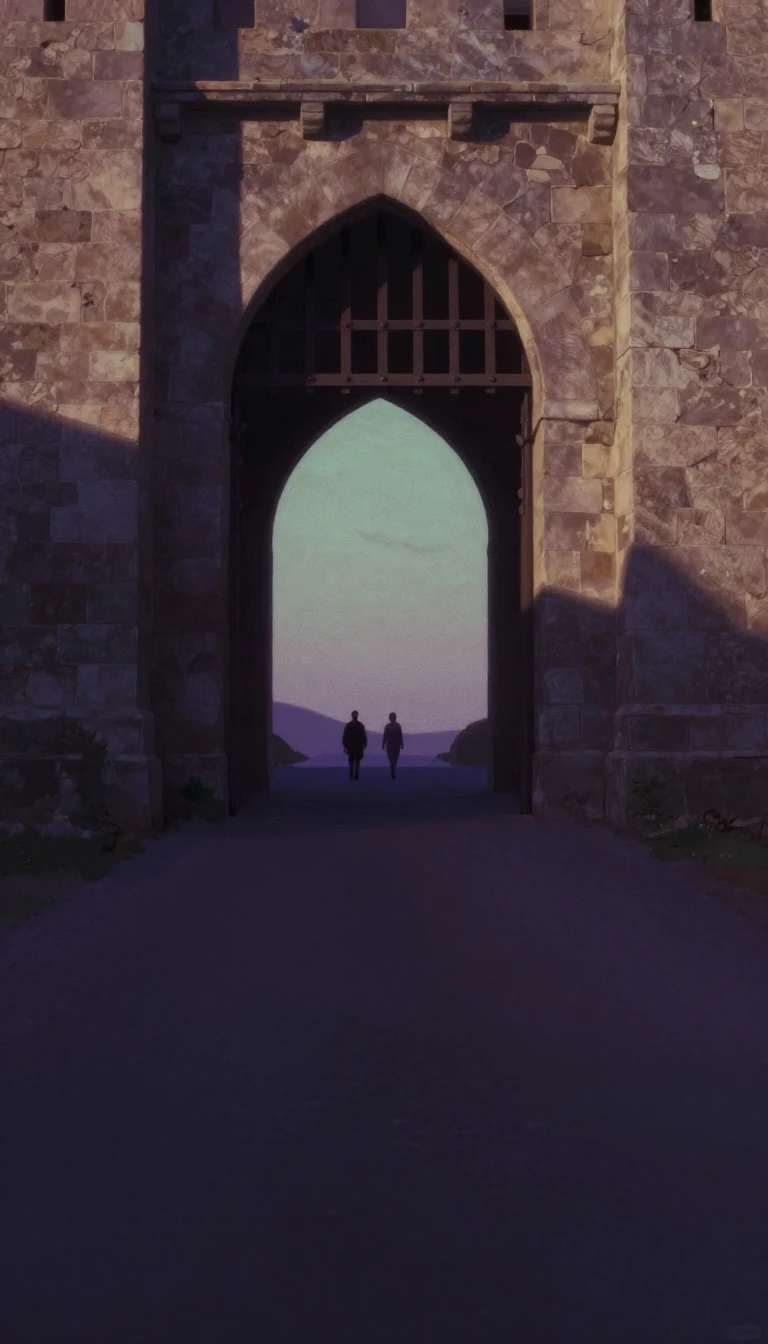
In short: The word 'belfry' hides a forgotten history of warfare. Originally meaning a mobile wooden siege tower, the term evolved through centuries of linguistic drift. As these towers began housing bells for fire alarms and civic signals, the word was reshaped by folk etymology, eventually losing its martial roots to become the structure we see today.
The etymology of 'belfry' reveals a fascinating case of folk etymology. It originates from the Old North French 'berfroi' or 'berfrei,' which traced back to Middle High German. In its original form, the word described a protected shelter or a high place of safety. This early meaning was eventually lost to history, and the term was repurposed as the word was applied to various types of towers and protective buildings.
Between the late 13th and mid-15th centuries, the word underwent a transformation in Anglo-Latin and Middle English. Because many of these towers housed bells—often used by watchmen to signal fires or other emergencies—people began to associate the structure with the sound of bells. This association led to a phonetic shift where the word was spelled as 'bellfrey' and 'belfrey' before settling on the modern 'belfry.'
Today, the term carries different nuances across borders. In the Netherlands, the word 'belfort' combines the concepts of a bell and a stronghold, referring to a watchtower a city was permitted to build for defense. Meanwhile, the term 'klokkenstoel' is used specifically to describe the internal hanging system for the bells. In regions like Flanders, these structures are now celebrated as significant cultural landmarks and UNESCO World Heritage Sites.
Architecturally, a belfry serves as a protective enclosure for the bell chamber. These structures are typically pierced by openings to allow sound to travel. To protect the bells from the elements, these openings are frequently fitted with louvers. While the modern belfry is primarily a musical and civic structure, its linguistic roots remain anchored in the era of siege warfare and fortified defense.
Opens the Intellect+ feed with this card first. Swipe up for the next one.
Sources
- Summary by Intellect · source: Belfry
- Also: Art Institute of Chicago — The Belfry · CC0 (data); description CC BY 4.0
To cite this card, link to https://intellectplus.co.uk/app/design-belfry.
How we source, check and correct cards: Editorial standards.
General information, not professional advice. Spotted an error? Flag the card or see corrections and complaints.
Intellect Plus is a visual educational discovery platform for exploring fascinating facts and ideas. Brain Food, Not Brain Rot. What is Intellect Plus?
Related
More in Architecture · More in Design · Latest · A–Z · All topics
