Why did Neolithic people drag thousands of massive granite stones across the French coast?
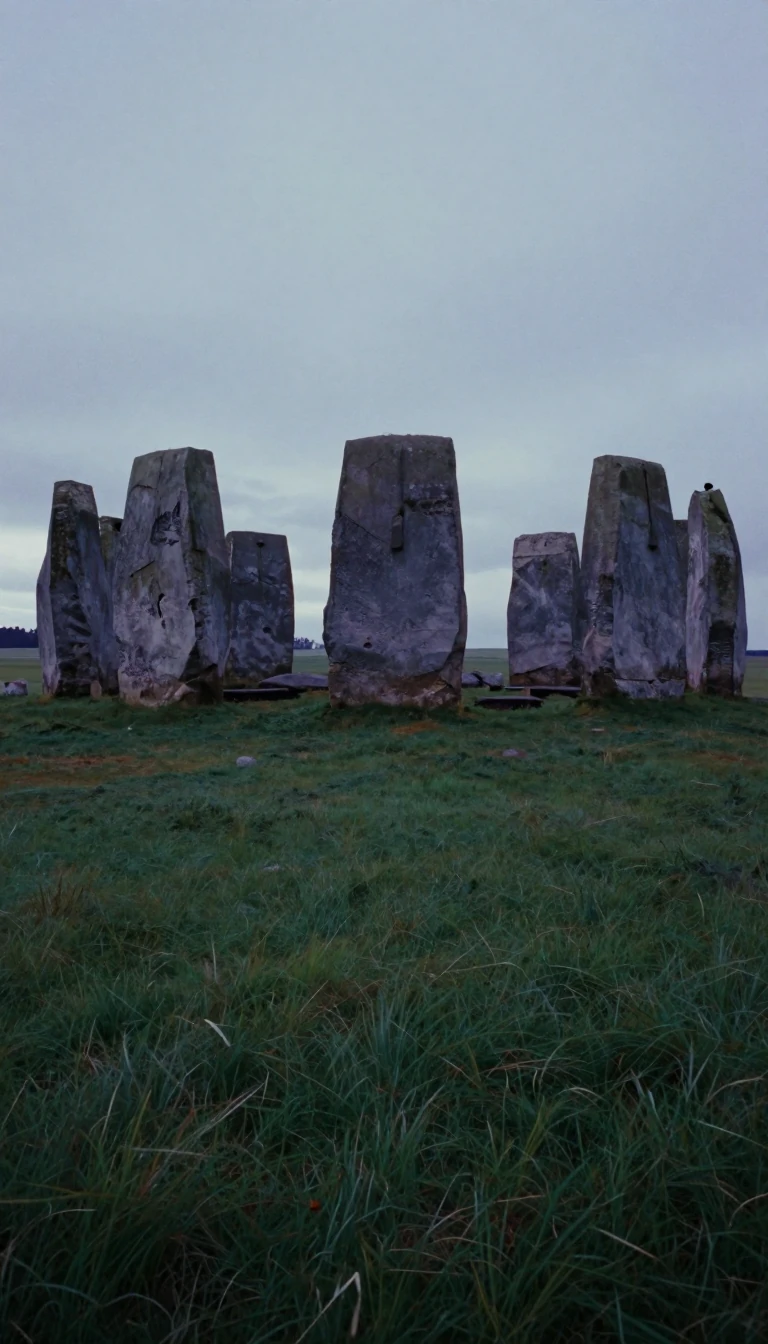
In short: The Carnac stones are the world's largest collection of prehistoric megaliths, featuring over 3,000 granite menhirs arranged in mysterious, precise alignments. While local legends once claimed they were Roman soldiers turned to stone by Merlin, modern archaeology reveals a complex society of elite rulers and long-distance trade networks.
The Carnac stones, located in Brittany, France, comprise an extraordinary array of menhirs, dolmens, and tumuli erected between 4500 BC and 3300 BC. These monuments were crafted from local weathered granite, with some individual stones reaching heights of four meters. The primary alignments—Ménec, Kermario, and Kerlescan—trace a deliberate contour line roughly 20 meters above sea level. While some researchers, such as Neil Oliver, have suggested these were the work of Mesolithic hunter-gatherers, the prevailing view links them to Neolithic populations, though the specific cultural attribution remains a subject of active debate.
The site's most striking features are the 'Carnacéen tumuli,' such as Saint-Michel, Tumiac, and Mané-er-Hroëk. These massive burial mounds, some rising 15 meters high, served as tombs for a ruling class. Excavations have uncovered extraordinary funerary goods, including polished jade axeheads from the Italian Alps and callaïs jewellery imported from Iberia. The immense labor required to quarry, transport, and shape these materials—some axes took over a thousand hours to produce—suggests a highly organized society led by powerful 'divine kings' or a dynastic elite, paralleling the social complexity seen in the Varna culture of Bulgaria during the same era.
Over the centuries, the stones have suffered from neglect and human interference, with many repurposed as building materials or sheep shelters. Early antiquarian theories ranged from druidic gatherings to astronomical markers. In the 1830s, Francis Ronalds produced the first detailed drawings, and later, Scottish antiquary James Miln began the first extensive excavations. By the 20th century, self-taught archaeologist Zacharie Le Rouzic became the definitive expert on the region. Today, the stones continue to challenge our understanding of prehistoric engineering and social hierarchy, as researchers like Alexander Thom have attempted to decode potential astronomical alignments within their fan-like layouts.
Opens the Intellect+ feed with this card first. Swipe up for the next one.
Sources
- Summary by Intellect · source: Carnac stones
To cite this card, link to https://intellectplus.co.uk/app/design-carnac-stones.
How we source, check and correct cards: Editorial standards.
General information, not professional advice. Spotted an error? Flag the card or see corrections and complaints.
Intellect Plus is a visual educational discovery platform for exploring fascinating facts and ideas. Brain Food, Not Brain Rot. What is Intellect Plus?
Related
More in Architecture · More in Design · Latest · A–Z · All topics
