Why the arch needs a buttress to stop it from collapsing under its own weight
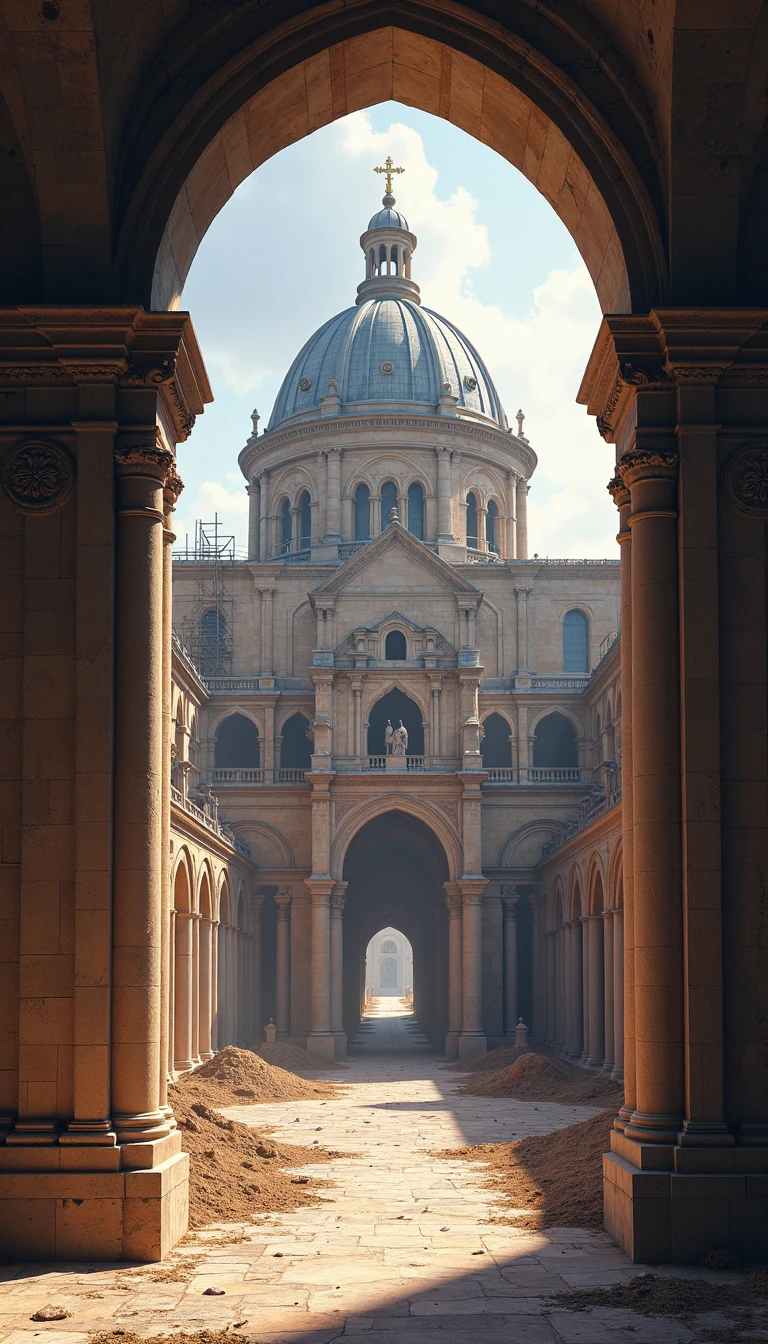
In short: An arch is a marvel of engineering, but it hides a dangerous secret: it constantly wants to push its own supports outward. Without a buttress to counteract this diagonal thrust, the entire structure would buckle. Discover how this simple masonry projection keeps monumental architecture standing tall through the centuries.
At its core, an arch is a series of wedge-shaped blocks known as voussoirs, held together by pressure. When weight is applied from above, the arch forces these blocks together, allowing it to span openings far wider than any flat stone lintel could manage. However, this downward force creates a secondary, problematic effect: the arch also pushes outward, exerting a diagonal force called thrust. If this lateral pressure is not properly managed, the structure will inevitably collapse.
The buttress serves as the essential architectural solution to this problem. By projecting from the face of a wall, this masonry support provides the necessary resistance to absorb the thrust and conduct it safely into the foundation. While Roman engineers often relied on massive, thick walls to act as buttresses for their semicircular arches, medieval builders developed more sophisticated techniques. They discovered that when arches are arranged in a row, the thrust of one arch can be counteracted by its neighbor, creating a stable system as long as the terminal arches are properly reinforced.
Beyond their structural necessity, buttresses have evolved into decorative elements, reflecting the aesthetic priorities of different eras. From the early examples found at the Eanna Temple in Uruk during the 4th millennium BC to the intricate Gothic designs of the Middle Ages, these supports have been classified by their ground plans, such as clasping, angled, or diagonal buttresses. Today, modern materials like steel and concrete have changed the game; because these materials are highly rigid and lightweight, the horizontal thrust against supports is significantly reduced, sometimes even further mitigated by tension ties between the arch ends.
Opens the Intellect+ feed with this card first. Swipe up for the next one.
Sources
- Summary by Intellect · source: Buttress | Gothic, Flying Buttresses & Vaults | Britannica
- Also: Buttress
To cite this card, link to https://intellectplus.co.uk/app/design-buttress.
How we source, check and correct cards: Editorial standards.
General information, not professional advice. Spotted an error? Flag the card or see corrections and complaints.
Intellect Plus is a visual educational discovery platform for exploring fascinating facts and ideas. Brain Food, Not Brain Rot. What is Intellect Plus?
Related
More in Architecture · More in Design · Latest · A–Z · All topics
