Why did Neolithic builders arrange these massive stones into a precise cross-shaped pattern?
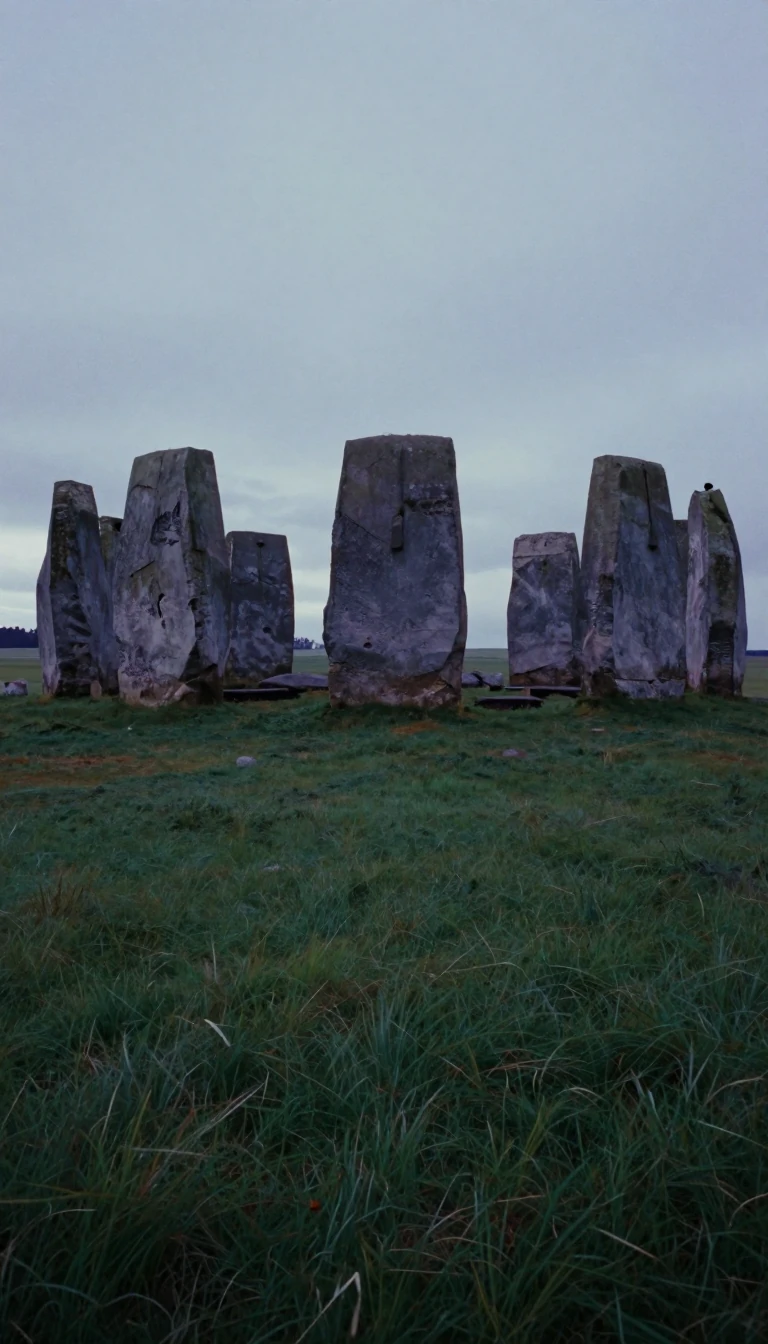
In short: On the Isle of Lewis, the Callanish Stones stand as a haunting, cross-shaped monument from the Neolithic era. Built around 2750 BC, this complex of standing stones predates Stonehenge. While local legends once whispered of petrified giants, modern archaeology reveals a sophisticated, long-term ritual site hidden beneath centuries of peat.
The Callanish Stones, or Calanais I, consist of a central monolith surrounded by a circle of thirteen stones, with five distinct rows extending outward to form a cross-like layout. Constructed from local Lewisian gneiss, the central stone stands 4.8 metres high and weighs approximately seven tonnes. This primary monument is the heart of a wider complex, which includes at least three other circles and various alignments, suggesting the area served as a focal point for religious activity for over 1,500 years.
Archaeological excavations, particularly those conducted between 1980 and 1981, have traced the site's evolution from early Neolithic structures to a later Bronze Age agricultural landscape. A chambered tomb was inserted into the eastern side of the circle after the initial construction, containing pottery fragments that indicate use for several centuries. By 800 BC, the site was largely abandoned, and eventually, a 1.5-metre layer of peat buried the monument until its clearance in 1857 under the orders of James Matheson.
The purpose of the site remains a subject of intense debate. While some researchers, such as Alexander Thom and Gerald Hawkins, proposed that the stones functioned as a prehistoric lunar observatory, critics argue that such alignments could be coincidental. The site's complex history is further reflected in its multiple names; while archaeologists use the numbered designation Calanais I to distinguish it within the broader landscape, local Gaelic traditions refer to the stones as Tursachan Chalanais, or 'the standing stones of Calanais'.
Today, the monument is protected as a scheduled site under the Ancient Monuments and Archaeological Areas Act 1979. Managed by Historic Environment Scotland, it remains a significant cultural landmark. Beyond its archaeological value, the site has permeated modern media, appearing in literature, music, and film, ensuring that this ancient stone setting continues to captivate the public imagination long after its original builders vanished.
Opens the Intellect+ feed with this card first. Swipe up for the next one.
Sources
- Summary by Intellect · source: Callanish Stones
To cite this card, link to https://intellectplus.co.uk/app/design-callanish-stones.
How we source, check and correct cards: Editorial standards.
General information, not professional advice. Spotted an error? Flag the card or see corrections and complaints.
Intellect Plus is a visual educational discovery platform for exploring fascinating facts and ideas. Brain Food, Not Brain Rot. What is Intellect Plus?
Related
More in Architecture · More in Design · Latest · A–Z · All topics
