Gyeongbokgung: How a Royal Palace Became a Symbol of Korean Resilience and Restoration
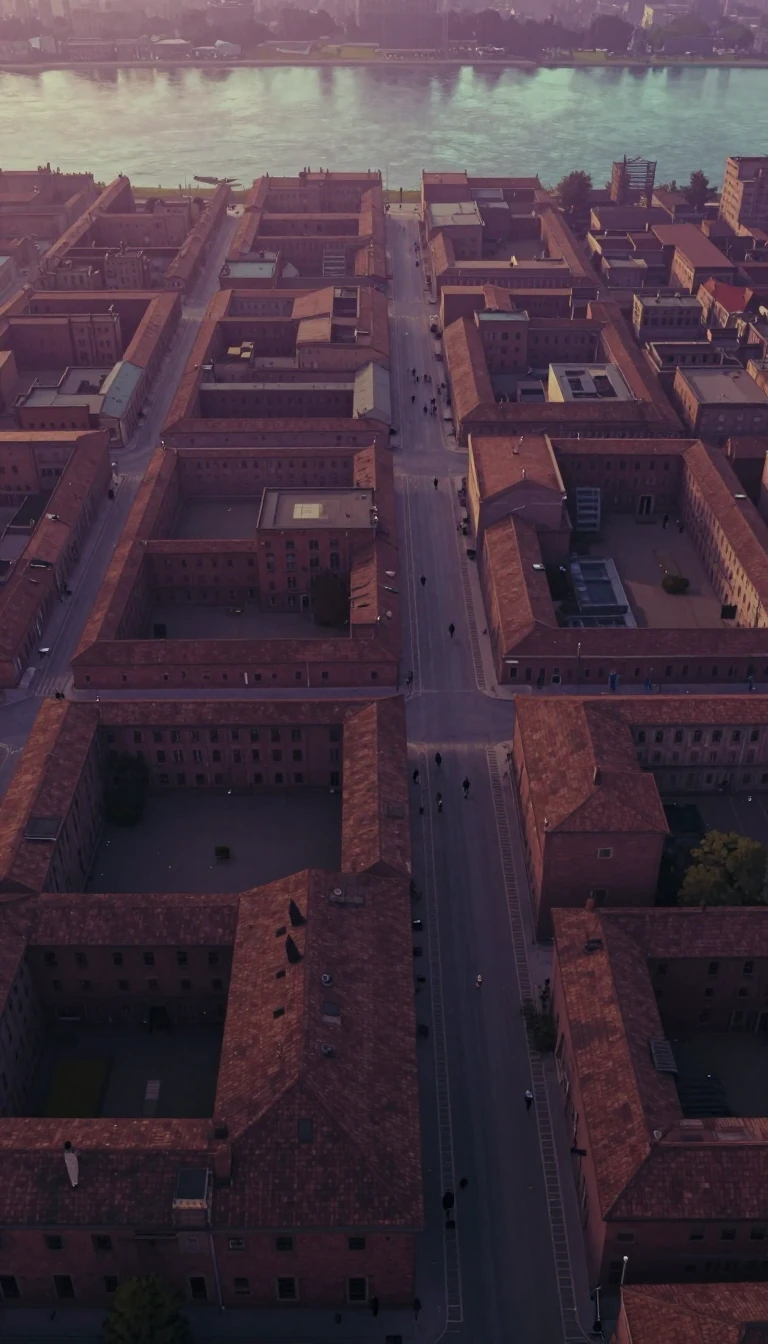
In short: Established in 1395, Gyeongbokgung served as the primary palace of the Joseon dynasty. After centuries of fire, political turmoil, and systematic colonial demolition, the site is undergoing a massive, decades-long restoration. Today, it stands as a complex puzzle of historical architecture, modern urban planning, and contested cultural memory.
Gyeongbokgung, meaning 'great blessings palace,' was established in 1395 as the first royal palace of the Joseon dynasty. Its location and layout were meticulously planned by the official Chŏng Tojŏn, who integrated Neo-Confucian principles with traditional feng shui. The palace was designed with a north-south axis, featuring three gates and three courtyards, a configuration inspired by the Chinese text Kaogongji. This architectural symmetry was intended to reflect the authority of the monarchy and the philosophical values of the state, prioritizing Confucian ideals over the Buddhist influences of the preceding Goryeo era.
The palace's history is marked by cycles of destruction and rebirth. It was burned down during the 1592 Imjin War and remained largely abandoned for over 270 years. While King Gojong initiated a major reconstruction in 1865, the site faced further devastation during the Japanese colonization of Korea, which began in 1910. The colonial government systematically dismantled the palace, reducing its approximately 500 structures to just 40 by 1945. In their place, the Japanese built the Government-General of Chōsen Building, a structure that stood as a stark symbol of foreign occupation until its demolition in the 1990s.
Modern efforts to restore Gyeongbokgung to its 1888 state began in earnest in 1990. The First Gyeongbokgung Restoration Plan, completed in 2010, successfully recreated 89 buildings, while the Second Restoration Plan is scheduled to continue until 2045. However, these efforts are not without controversy. Scholars like Michael Kim have noted that the reconstructions may differ significantly from the original structures, partly because detailed construction records were lost during historical invasions. Furthermore, the absence of original techniques—such as those required for traditional blue-tiled roofs—complicates the pursuit of absolute historical authenticity.
Today, Gyeongbokgung serves as a vital cultural landmark in Seoul, hosting museums and daily ceremonies. The ongoing restoration remains a delicate balance between historical preservation and the realities of a modern, dense city. As the palace continues to evolve, it serves as a physical manifestation of Korea's efforts to reclaim its heritage from the shadows of colonial rule and political instability.
Opens the Intellect+ feed with this card first. Swipe up for the next one.
Sources
- Summary by Intellect · source: Gyeongbokgung
To cite this card, link to https://intellectplus.co.uk/app/design-gyeongbokgung.
How we source, check and correct cards: Editorial standards.
General information, not professional advice. Spotted an error? Flag the card or see corrections and complaints.
Intellect Plus is a visual educational discovery platform for exploring fascinating facts and ideas. Brain Food, Not Brain Rot. What is Intellect Plus?
Related
More in Architecture · More in Design · Latest · A–Z · All topics
