Bangkok's Grand Palace was once a city within a city built from salvaged bricks.
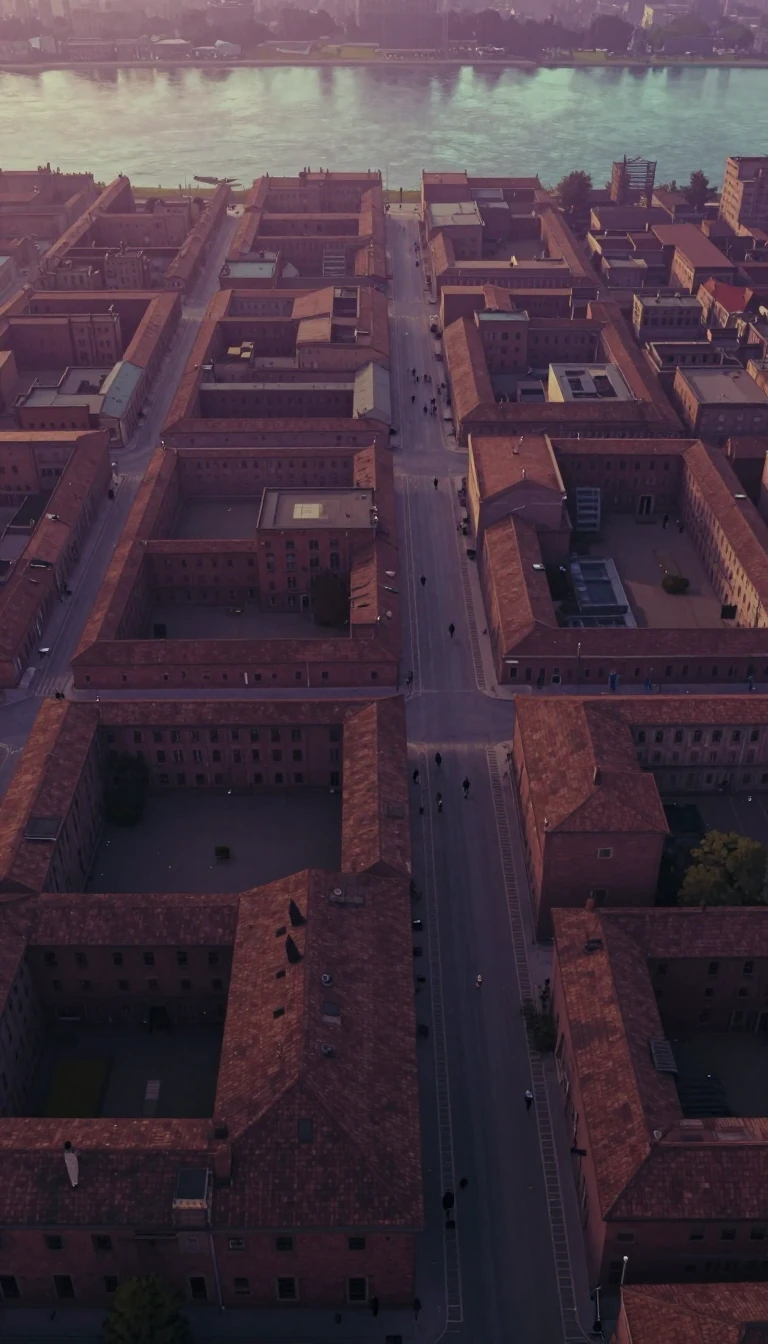
In short: Established in 1782, the Grand Palace served as the administrative and religious heart of Siam. Initially constructed from wood, the complex evolved into a sprawling masonry fortress. It functioned as a self-contained city for thousands of residents, governed by its own unique set of laws and strict royal hierarchies.
The Grand Palace began as a strategic move by King Rama I, who shifted the capital from Thonburi to the east side of the Chao Phraya River. To secure materials for the new royal residence, workers dismantled the old capital of Ayutthaya, which had been destroyed in 1767. These salvaged bricks were transported by barge to construct the palace walls and fortifications. The site, originally occupied by a Chinese community, was transformed into a rectangular compound that mirrored the layout of the former Ayutthayan palace, complete with proximity to the river and a nearby ceremonial field.
The complex is divided into distinct quarters, each with specific functions defined by tradition. The Outer Court formerly housed government ministries and royal offices, while the Middle Court contained the most significant throne halls and residential chambers. The Inner Court, located at the southern end, was historically reserved for the king's harem. The Temple of the Emerald Buddha, a royal chapel rather than a monk's residence, remains a central feature, housing the famed Emerald Buddha figure since the palace's founding.
At the core of the Middle Court lies the Phra Maha Monthien group, the most sacred residential and ceremonial area. This section includes the Phra Thinang Amarin Winitchai, used for royal audiences, and the Phra Thinang Phaisan Thaksin, where coronations occur. The innermost hall, the Phra Thinang Chakraphat Phiman, served as the monarch's primary sleeping quarters. Tradition dictates that only crowned kings may sleep here, a practice maintained by monarchs like King Rama IX. Although the government and royal family moved to other residences by 1925, the palace remains the official ceremonial stage for the Thai monarchy.
Opens the Intellect+ feed with this card first. Swipe up for the next one.
Sources
- Summary by Intellect · source: Grand Palace
- Also: Art Institute of Chicago — The Riva, Looking Towards the Grand Ducal Palace · CC0 (data); description CC BY 4.0
To cite this card, link to https://intellectplus.co.uk/app/design-grand-palace.
How we source, check and correct cards: Editorial standards.
General information, not professional advice. Spotted an error? Flag the card or see corrections and complaints.
Intellect Plus is a visual educational discovery platform for exploring fascinating facts and ideas. Brain Food, Not Brain Rot. What is Intellect Plus?
Related
More in Architecture · More in Design · Latest · A–Z · All topics
