Why Milan’s iconic cathedral took five centuries to reach its final form
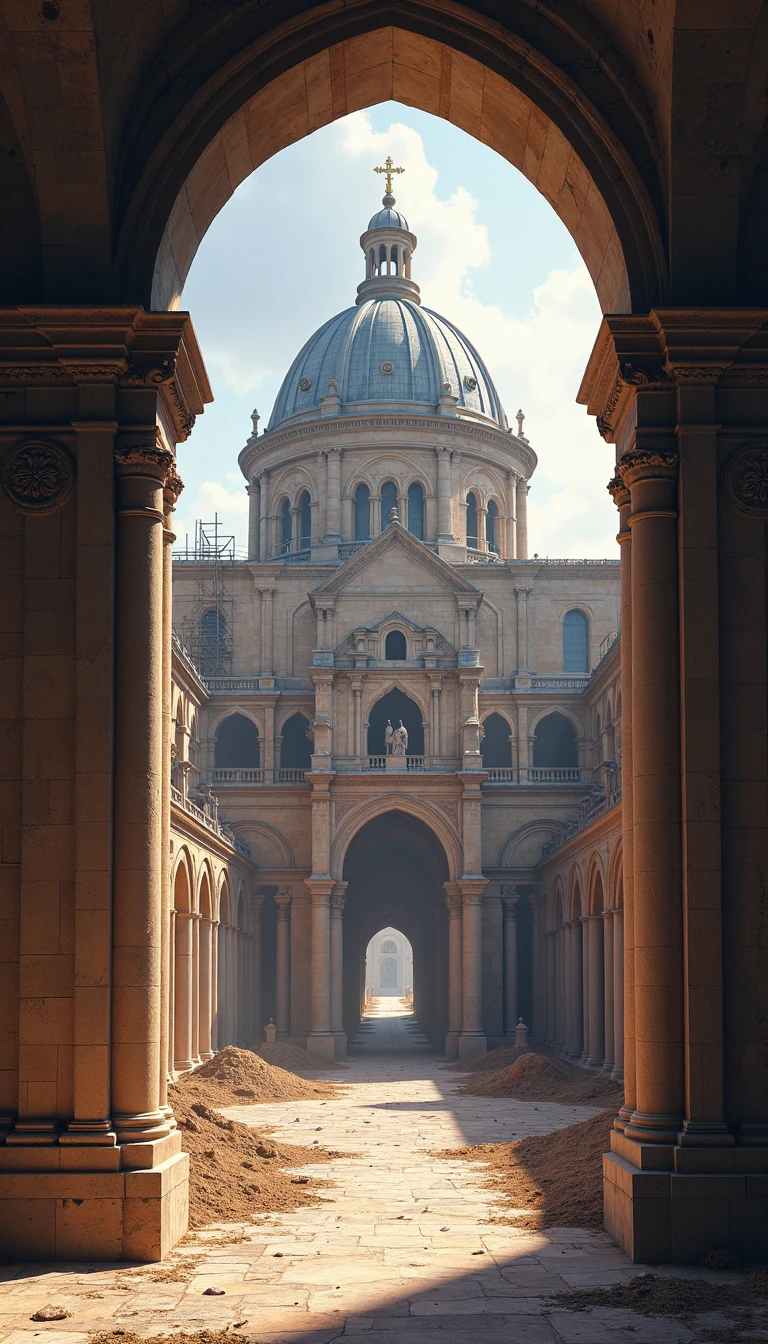
In short: Construction of the Milan Cathedral began in 1386, but the project spanned half a millennium, finally concluding in 1965. This architectural marathon resulted in a visual contradiction, blending French Gothic, Renaissance, and Neoclassical styles into one of the world’s largest Roman Catholic cathedrals, housing thousands of statues and a holy relic.
Commissioned by Archbishop Antonio da Saluzzo in 1386, the cathedral was intended to assert Milan’s central importance under the power of Gian Galeazzo Visconti. The site chosen was the city's most historic Roman center, requiring the demolition of existing palaces and a baptistery. Early progress was driven by the Fabbrica del Duomo, a regulatory body managing 300 employees, and the introduction of French Gothic influences by engineers like Nicolas de Bonaventure.
The building's evolution was marked by technical disputes and shifting political ambitions. In the late 14th century, French architect Jean Mignot famously criticized the construction as being done without proper scientific rigor, though his warnings of ruin proved unfounded. Later, the project stalled for decades due to financial constraints and a lack of unified vision. By the time the octagonal cupola was completed in the early 16th century, the structure had become a stylistic mosaic, incorporating Renaissance elements alongside its original Gothic framework.
Today, the cathedral stands as a massive monument to endurance, covering about 126,000 square feet and capable of holding 40,000 visitors. Its exterior is defined by a staggering 2,245 statues, while the interior houses 914 more. At its highest point sits the Madonnina, an effigy covered in 3,900 pieces of gold leaf. Beyond its aesthetic complexity, the cathedral remains a site of deep religious significance, housing a nail believed to have been used in the crucifixion of Jesus Christ.
Opens the Intellect+ feed with this card first. Swipe up for the next one.
Sources
- Summary by Intellect · source: Milan Cathedral | History, Description, & Facts | Britannica
- Also: Milan Cathedral
To cite this card, link to https://intellectplus.co.uk/app/design-milan-cathedral.
How we source, check and correct cards: Editorial standards.
General information, not professional advice. Spotted an error? Flag the card or see corrections and complaints.
Intellect Plus is a visual educational discovery platform for exploring fascinating facts and ideas. Brain Food, Not Brain Rot. What is Intellect Plus?
Related
More in Architecture · More in Design · Latest · A–Z · All topics
