More than just pyramids: the hidden language of Maya stone monuments
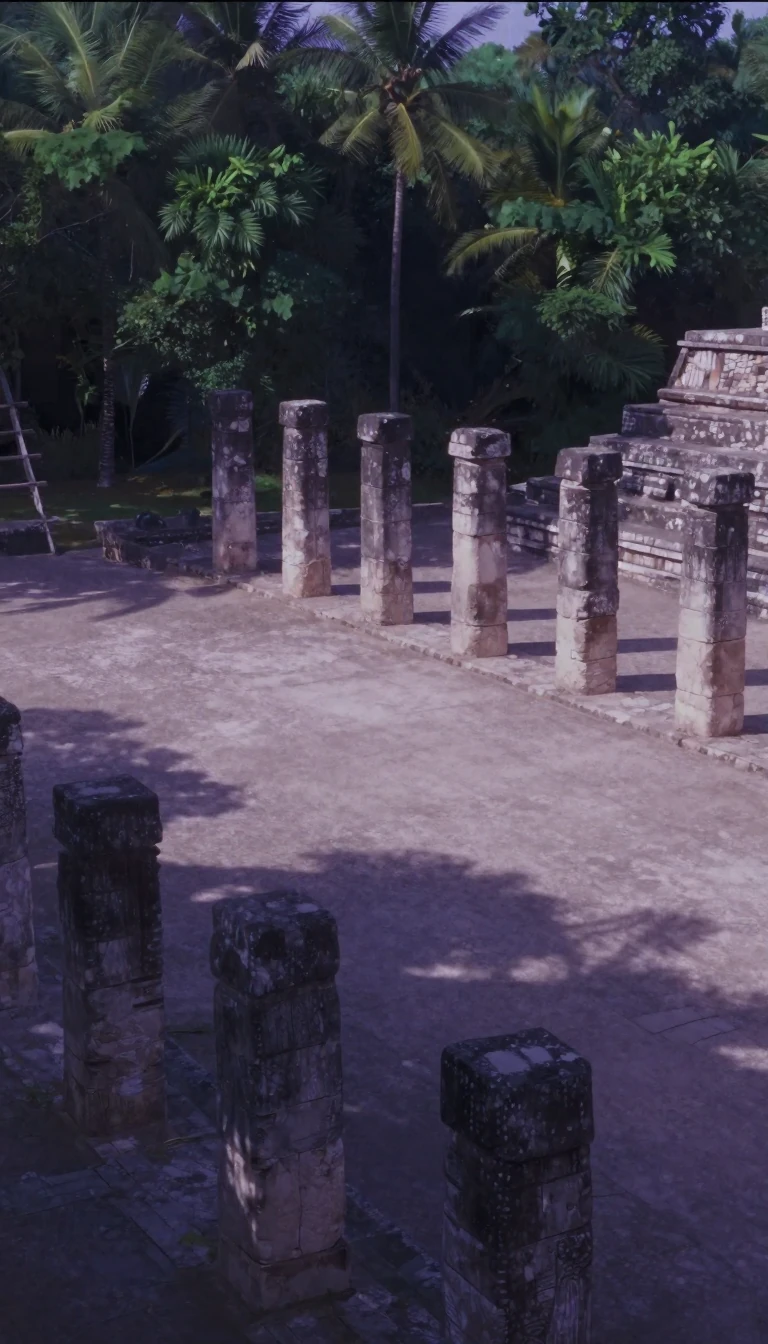
In short: While the towering step pyramids of the Maya are iconic, their true complexity lies in the details. From limestone reliefs to carved stelae, every architectural fragment served as a permanent record of dynastic power, ritual games, and the precise passage of time.
Maya architecture was far more than a collection of impressive structures; it was a sophisticated medium for political and religious communication. While the most recognizable features of the civilization are the step pyramids from the Terminal Preclassic period and beyond, the Maya utilized geometric proportions and intricate carvings to transform everything from humble dwellings to ornate temples. Sites such as Palenque, Tikal, and Uxmal represent the peak of this architectural and artistic achievement, serving as physical manifestations of Maya culture and belief systems.
Beyond the grand scale of temples, the Maya used stone reliefs to document the lives of their rulers. In the Usumacinta River area of Guatemala, fragments of limestone architecture—such as ball-court panels—depict the ritualistic nature of Maya life. For instance, a piece dating from approximately 650–700 shows figures in elaborate costumes participating in a ritual ball game. These carvings were often accompanied by hieroglyphic texts that identified the participants and recorded the specific dates of these ceremonies.
The use of stone monuments, or stelae, allowed Maya royals to mark significant dynastic milestones in public spaces. These sculptures recorded events like military victories, marriages, enthronements, and deaths. One such limestone stela, dated to January 20, 702, demonstrates the Maya's precise tracking of time. The inscription notes the conclusion of a Lahuntun, a ten-year period similar to a decade. Though the specific event recorded on this particular monument remains unknown, the precision of the date highlights how architecture functioned as a permanent, legible archive for the civilization.
Opens the Intellect+ feed with this card first. Swipe up for the next one.
Sources
- Summary by Intellect · source: Maya architecture
- Also: Chak Ak’ Paat Kuy ("Red Turkey") Playing the Ballgame
- Also: Stela
To cite this card, link to https://intellectplus.co.uk/app/design-maya-architecture.
How we source, check and correct cards: Editorial standards.
General information, not professional advice. Spotted an error? Flag the card or see corrections and complaints.
Intellect Plus is a visual educational discovery platform for exploring fascinating facts and ideas. Brain Food, Not Brain Rot. What is Intellect Plus?
Related
More in Architecture · More in Design · Latest · A–Z · All topics
