Why a royal hunting lodge became the world's center for time and navigation
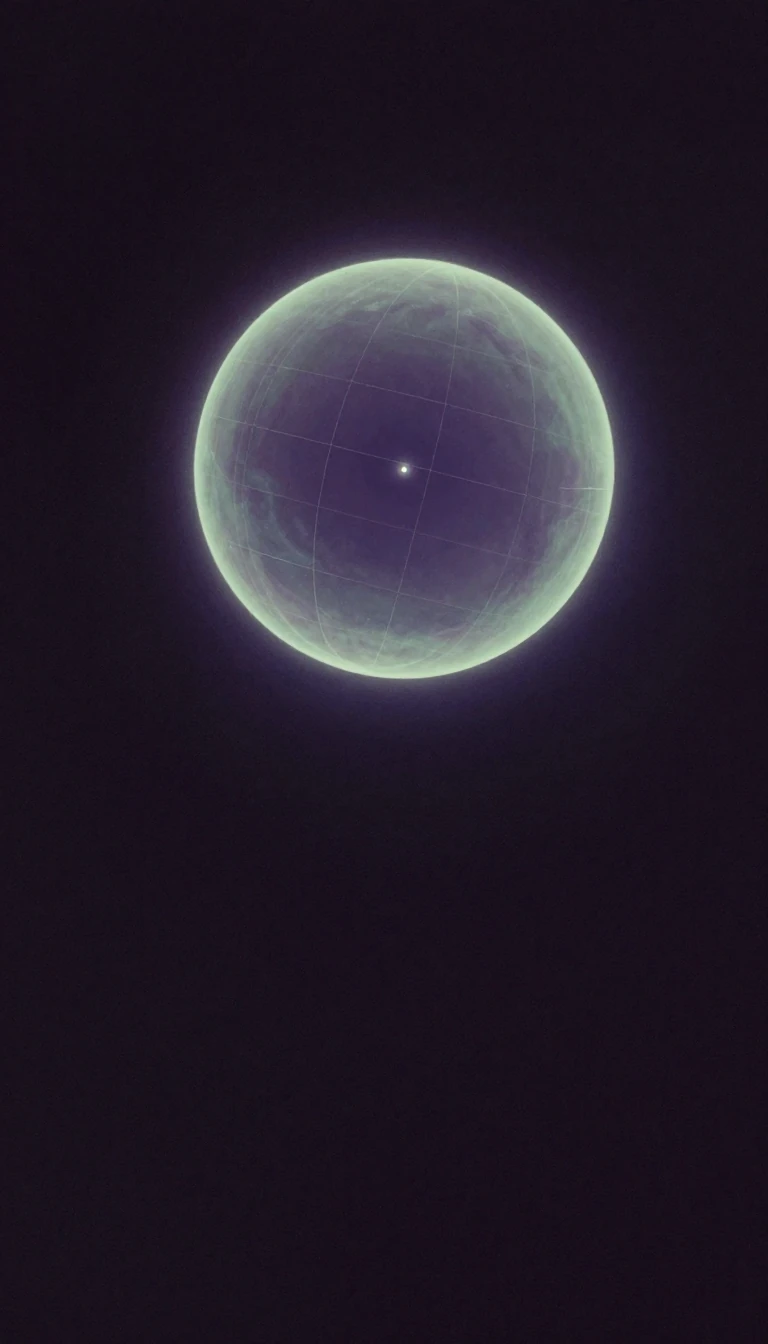
In short: Perched on a hill once used by Tudor monarchs, the Royal Observatory in Greenwich was built to solve the era's most pressing scientific puzzle: longitude. By mapping the heavens, this purpose-built facility transformed how humanity tracks time, eventually anchoring the entire world to a single, invisible line of zero degrees.
Founded in 1675 by King Charles II, the Royal Observatory stands as Britain's first facility designed specifically for scientific research. The project was championed by Sir Jonas Moore, who convinced the King to establish the institution to help sailors determine their precise location at sea. To lead this effort, the King created the role of Astronomer Royal, appointing John Flamsteed as the first director. Flamsteed was tasked with the rigorous work of correcting celestial tables and mapping the positions of fixed stars, which were essential for perfecting navigation.
The observatory's architecture reflects its pragmatic origins. Designed by Sir Christopher Wren and likely assisted by Robert Hooke, the main building—Flamsteed House—was constructed for £520 using recycled materials from the foundations of an older tower. The site was chosen because it was already royal land, avoiding the need for new purchases. However, the construction was not without its quirks; the building was misaligned by 13 degrees from true North, a detail that reportedly frustrated Flamsteed. Inside, the Octagon Room housed two high-precision clocks by Thomas Tompion, featuring 13-foot pendulums that provided unprecedented accuracy for the time.
Beyond its architectural history, the site became the bedrock of global timekeeping. The publication of The Nautical Almanac, which began in 1767, provided the data necessary for navigators to calculate longitude. This success eventually led to the 1884 decision to designate the Greenwich meridian as the world's prime meridian. While the institution's scientific operations moved to Sussex and later Cambridge in the 20th century, the original Greenwich site remains a monument to the era when the pursuit of longitude defined the limits of human exploration.
Opens the Intellect+ feed with this card first. Swipe up for the next one.
Sources
- Summary by Intellect · source: Royal Greenwich Observatory | Astronomy, Timekeeping, Astronomers | Britannica
- Also: Royal Observatory, Greenwich
To cite this card, link to https://intellectplus.co.uk/app/design-royal-observatory-greenwich.
How we source, check and correct cards: Editorial standards.
General information, not professional advice. Spotted an error? Flag the card or see corrections and complaints.
Intellect Plus is a visual educational discovery platform for exploring fascinating facts and ideas. Brain Food, Not Brain Rot. What is Intellect Plus?
Related
More in Architecture · More in Design · Latest · A–Z · All topics
