Why architects once designed buildings specifically to ensure they would become beautiful ruins
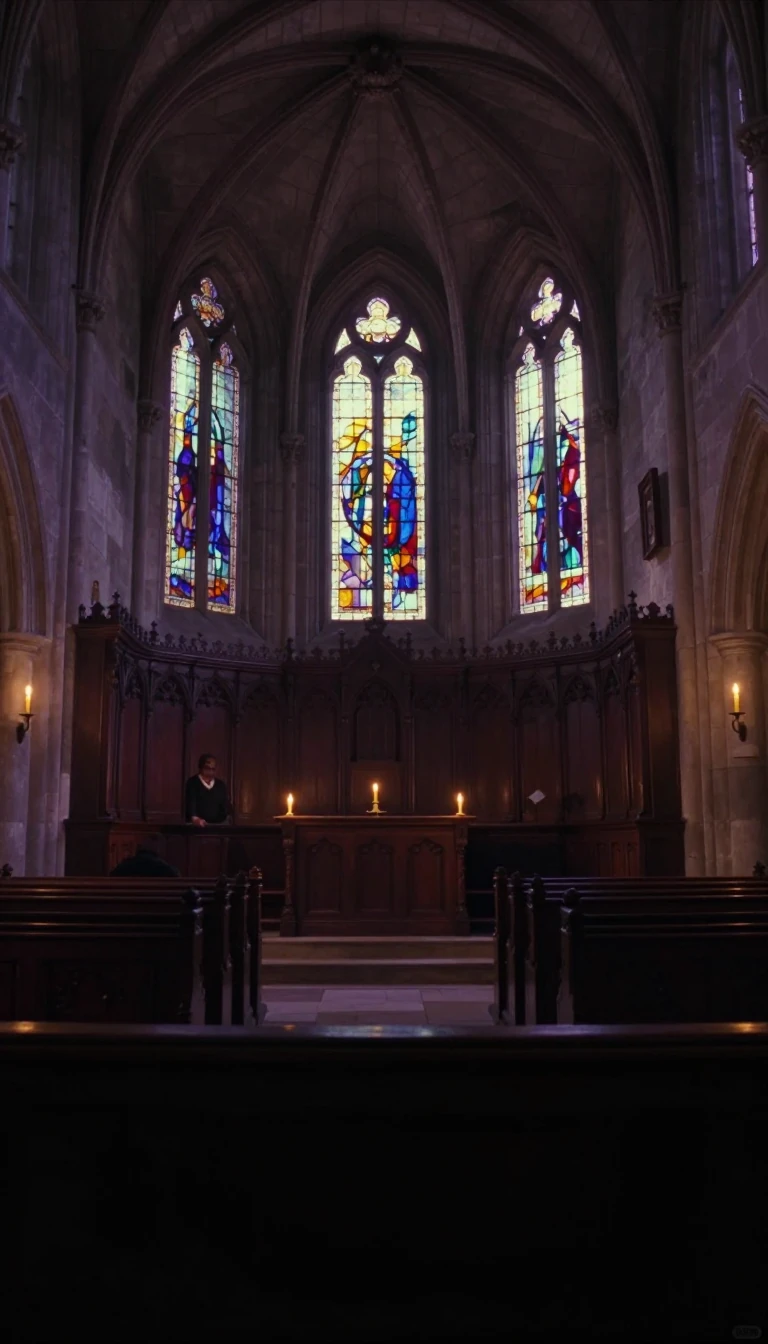
In short: Ruins are typically seen as signs of collapse, yet some designers have intentionally crafted structures to age into aesthetic masterpieces. This concept, known as Ruinenwert, suggests that buildings can be planned to leave behind graceful remains, turning the inevitable process of decay into a deliberate architectural legacy.
The term ruin, derived from the Latin 'ruina' for collapse, describes structures that have fallen into disrepair through natural disasters, warfare, or simple neglect. While often viewed as tragic remnants of lost civilizations—from the ancient sites of Greece and Egypt to the 20th-century devastation of cities like Warsaw and Berlin—the perception of these sites has shifted dramatically over time. In the Middle Ages, Roman ruins were often treated as mere quarries for building materials or inconvenient obstacles. By the Renaissance, however, they were reimagined as objects of beauty, influencing architectural styles like neoclassicism.
This aesthetic appreciation evolved into the theory of Ruinenwert, or 'ruin value.' Popularized in the 20th century by Albert Speer during planning for the 1936 Summer Olympics, the concept argues that architects should design buildings with their eventual collapse in mind. The goal is to ensure that if a structure falls, it leaves behind ruins that remain visually compelling without requiring any maintenance. This idea was famously captured in an 1832 watercolor by Joseph Michael Gandy, which depicted Sir John Soane's Bank of England rotunda as a picturesque, overgrown ruin.
Beyond intentional design, ruins serve as powerful cultural symbols. Romanticism transformed them into frequent subjects for painters and poets, while modern media often uses them as metaphors for societal decay. Whether they are the result of deliberate destruction—such as the 16th-century dissolution of monasteries in England or the 20th-century roof-stripping of Scottish castles to avoid property taxes—or the product of cataclysmic events like the 1755 Lisbon earthquake or the 1906 San Francisco earthquake, ruins force us to confront the passage of time. Today, they are preserved as UNESCO World Heritage Sites, serving as vital links to our collective history.
Opens the Intellect+ feed with this card first. Swipe up for the next one.
Sources
- Summary by Intellect · source: Ruins
To cite this card, link to https://intellectplus.co.uk/app/design-ruins.
How we source, check and correct cards: Editorial standards.
General information, not professional advice. Spotted an error? Flag the card or see corrections and complaints.
Intellect Plus is a visual educational discovery platform for exploring fascinating facts and ideas. Brain Food, Not Brain Rot. What is Intellect Plus?
Related
More in Architecture · More in Design · Latest · A–Z · All topics
