The Prussian King built a palace designed to die with him
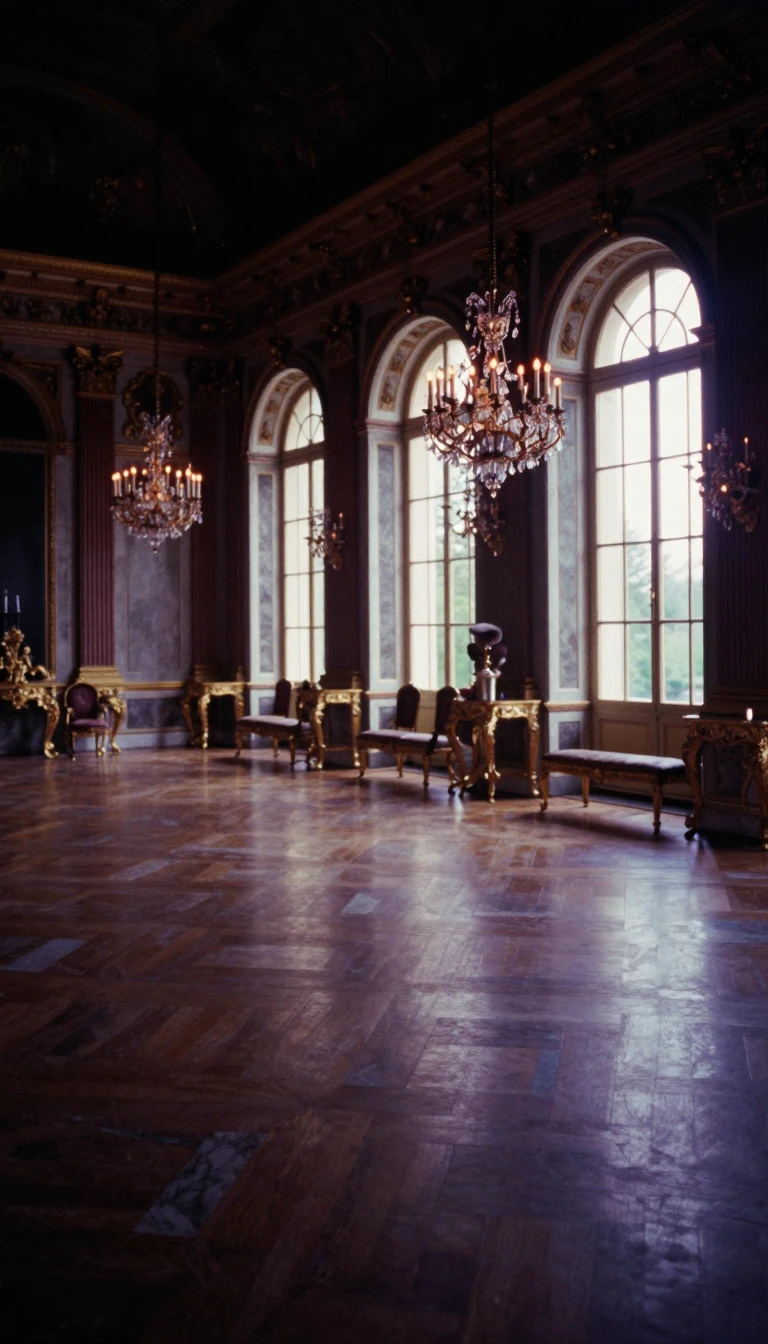
In short: Forget the grand displays of imperial power. In 1745, Frederick the Great began constructing Sanssouci—not as a seat of government, but as a private, single-storey escape. This 'carefree' retreat was so personal that the King famously envisioned the building lasting only as long as his own life.
Unlike the sprawling, intimidating Baroque architecture of Versailles, Sanssouci was a masterpiece of 'Frederician Rococo.' Built between 1745 and 1747 by Georg Wenzeslaus von Knobelsdorff, the palace was intended as a summer residence where the King could escape the rigid ceremonies of the royal court. The name itself, a French phrase meaning 'without worries,' reflects this desire for intimacy and relaxation.
The architecture was driven by Frederick's idiosyncratic personal taste. He rejected traditional architectural norms, such as the idea of a raised 'piano nobile,' preferring a ground-level entrance that connected directly to his terraced vineyard. This choice, while facilitating a seamless link between man and nature, left the building prone to chronic dampness. The layout followed the 'appartement double' theory, featuring an enfilade of ten principal rooms where service passages sat directly behind the royal suites.
The site was a study in controlled nature, featuring a vineyard-covered hill that served as the palace's pedestal. While the King's later 'New Palace' was a massive 'fanfaronnade' designed to project Prussian strength after the Seven Years' War, Sanssouci remained a modest, single-storey villa. It was a place specifically designed to be 'sans femmes' (without women), as Frederick preferred to avoid the presence of his estranged Queen, Elisabeth Christine.
Over the centuries, the palace's role shifted. In the 19th century, Frederick William IV enlarged the service wings to transform the retreat into a functional country house. Today, the site is a UNESCO World Heritage Site, attracting over two million visitors annually, serving as a lasting monument to a king who sought a life of private, artistic pursuit.
Opens the Intellect+ feed with this card first. Swipe up for the next one.
Sources
- Summary by Intellect · source: Sanssouci
To cite this card, link to https://intellectplus.co.uk/app/design-sanssouci.
How we source, check and correct cards: Editorial standards.
General information, not professional advice. Spotted an error? Flag the card or see corrections and complaints.
Intellect Plus is a visual educational discovery platform for exploring fascinating facts and ideas. Brain Food, Not Brain Rot. What is Intellect Plus?
Related
More in Architecture · More in Design · Latest · A–Z · All topics
