The skyline is a city's unique physical fingerprint
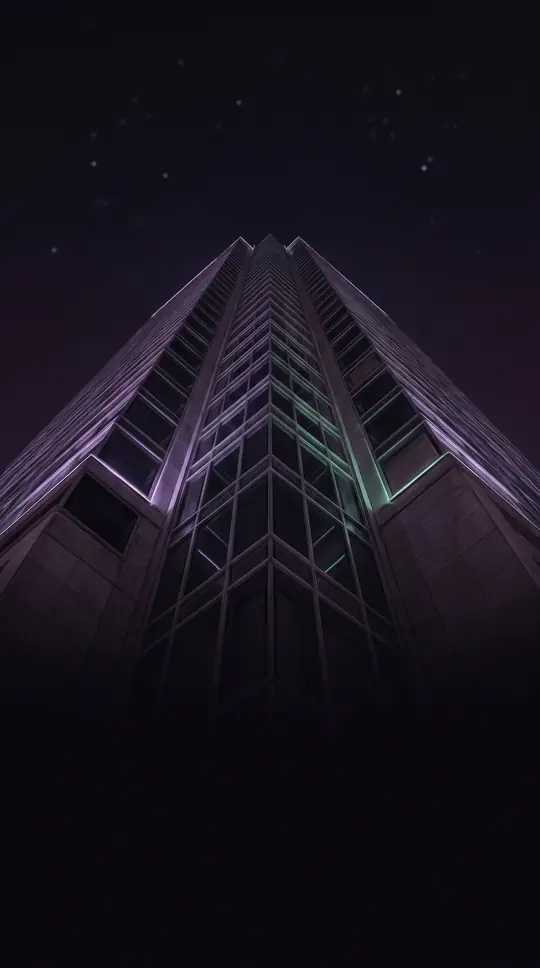
In short: No two skylines are identical, making them perfect visual shorthand for location. From the competing towers of medieval Italy to modern glass skyscrapers, these silhouettes represent a collective vista—a physical manifestation of a city's history, facts of life, and architectural evolution.
The concept of a skyline extends beyond mere urban density; it is the shape formed where the sky meets land or human intervention. While high-rise buildings are the primary drivers of modern metropolitan silhouettes, the visual impact is dictated by both the physical contours and the specific cladding materials used, such as brick or glass. These elements combine to create a unique profile that serves as a pseudo-fingerprint for news, film, and television media to establish setting instantly.
Historically, the term gained prominence in 1896 with Charles Graham's color lithograph titled 'The Sky Line of New York City.' Since then, architects and scholars have debated how to quantify these shapes. Some approaches are purely subjective, while others use specific metrics like building height or the number of structures exceeding 150 metres (490 ft). For instance, a service called Emporis attempted to assign point values to buildings based on data to rank cities by visual impact, identifying Hong Kong, New York City, and Singapore as top performers in 2012.
Artistically, the skyline has inspired unique techniques. In 1910, John Marin captured the Manhattan view from a ferry, experimenting with indirect methods like wicking wet paint to leave only the outline of the Singer Building. Whether it is the 'unforgettable' competitive towers of San Gimignano or remote natural silhouettes in uninhabitable environments, skylines remain a primary subject for understanding and molding urban identities.
Scholars have explored these shapes through various lenses: as a city classification system, a quantitative architectural problem, and a work of art. By analyzing the contrast between towers from different eras, we can read a city's chronological development in its silhouette.
Opens the Intellect+ feed with this card first. Swipe up for the next one.
Sources
- Summary by Intellect · source: Skyline
To cite this card, link to https://intellectplus.co.uk/app/design-skyline.
How we source, check and correct cards: Editorial standards.
General information, not professional advice. Spotted an error? Flag the card or see corrections and complaints.
Intellect Plus is a visual educational discovery platform for exploring fascinating facts and ideas. Brain Food, Not Brain Rot. What is Intellect Plus?
Related
More in Architecture · More in Design · Latest · A–Z · All topics
