Silbury Hill is a massive prehistoric feat that may have been built for the process.
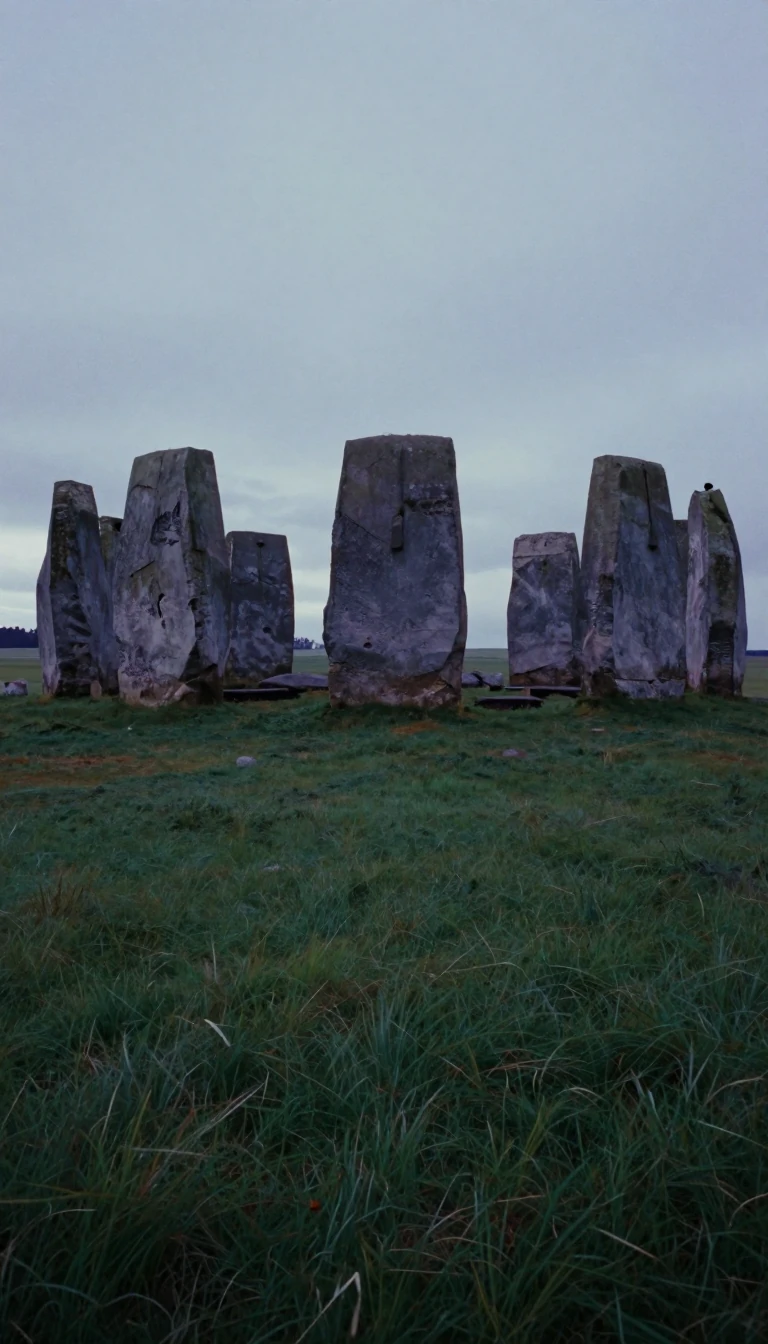
In short: Standing nearly 40 metres tall, Silbury Hill is Europe’s largest prehistoric man-made mound. While its exact purpose remains a mystery, recent research suggests that the act of construction itself—a multi-generational, labor-intensive endeavor—might have been the primary objective, rather than the finished monument left behind for posterity.
Located near Avebury in Wiltshire, England, Silbury Hill is a Neolithic marvel composed of chalk and clay. Standing 39.3 metres high with a base diameter of 167 metres, it is comparable in volume to contemporary Egyptian pyramids. Construction occurred in several stages between approximately 2400 and 2300 BC, requiring an estimated 18 million man-hours. This scale of work suggests a highly organized society, with some experts proposing the existence of an authoritarian theocratic elite capable of commanding vast labor resources across southern Britain.
The mound’s construction was a complex, evolving process. Initially, a smaller gravel core was built, followed by successive layers of chalk rubble and earth. Excavations have revealed that the site was modified repeatedly, with surrounding ditches being recut and refilled over time. This continuous remodeling leads some researchers, such as Jim Leary and David Field, to argue that the hill lacked a singular final blueprint. Instead, the physical act of building—perhaps as a ritualized, ongoing communal or religious activity—may have been more significant than the resulting structure.
The hill’s purpose remains heavily debated. Theories range from it being a platform for an elite priesthood to display authority, to it serving as a sophisticated marker within a system of inter-related sightlines across the landscape. Some suggest the hill was designed to interact with seasonal agricultural cycles, where the summit would align with the horizon or be obscured by growing crops. Despite centuries of investigation, including shafts sunk in 1776 and modern seismic surveys, the true intent of this monumental endeavor remains elusive, leaving the hill as a silent, enduring testament to Neolithic ambition.
Opens the Intellect+ feed with this card first. Swipe up for the next one.
Sources
- Summary by Intellect · source: Silbury Hill
To cite this card, link to https://intellectplus.co.uk/app/design-silbury-hill.
How we source, check and correct cards: Editorial standards.
General information, not professional advice. Spotted an error? Flag the card or see corrections and complaints.
Intellect Plus is a visual educational discovery platform for exploring fascinating facts and ideas. Brain Food, Not Brain Rot. What is Intellect Plus?
Related
More in Architecture · More in Design · Latest · A–Z · All topics
