Beyond the Battlefield: The Watchtower as a Symbol of Control and Cultural Memory
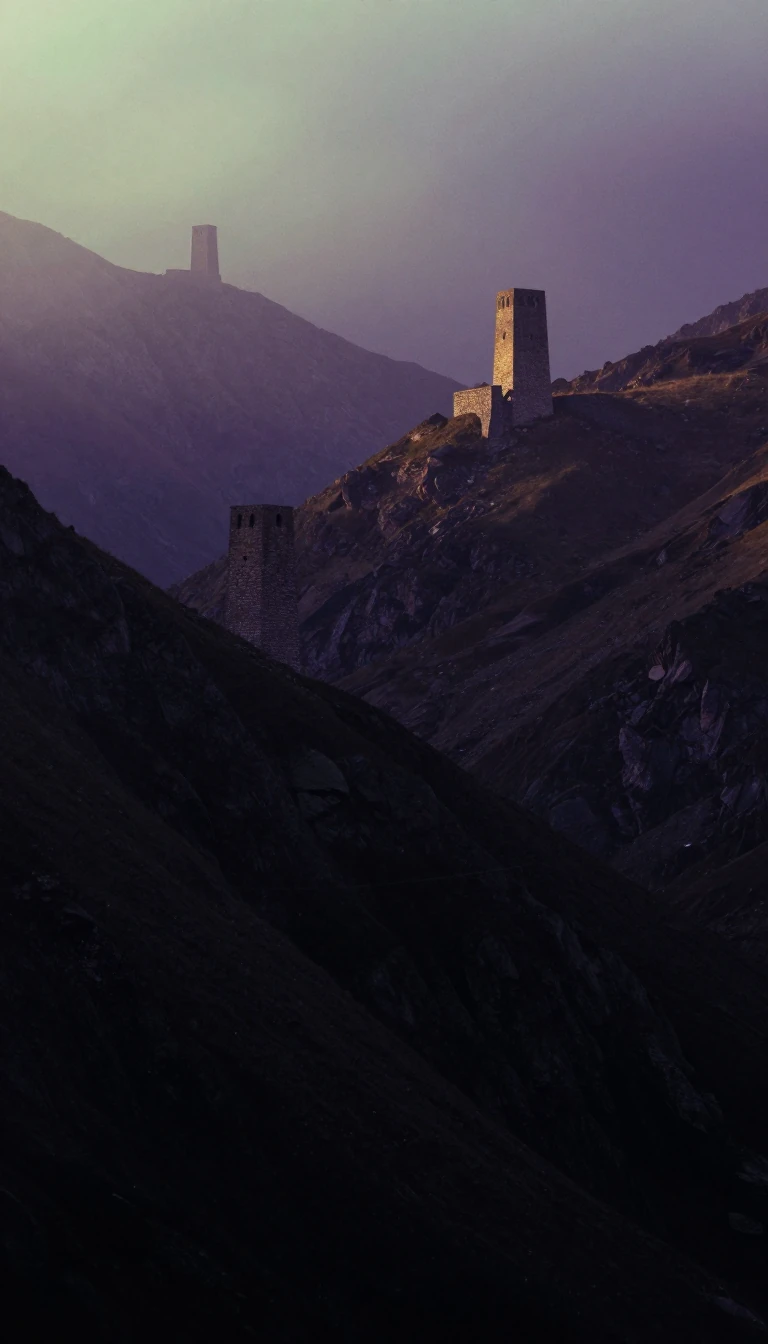
In short: From the ancient stone qasaba of the Asir mountains to the modern flak towers of World War II, the watchtower has served as a sentinel for civilizations. While these structures once defined military dominance and territorial security, they now occupy a complex space in our collective memory and artistic landscape.
The watchtower is fundamentally a tool of observation, designed to provide a secure, elevated vantage point for sentinels. Historically, these freestanding structures were essential for military and policiary control, ranging from the Roman towers along Hadrian's Wall to the medieval manor houses of France, where arrow loops turned domestic architecture into defensive assets. In the Mediterranean, coastal towers were vital for monitoring threats from Saracen forces and later Barbary pirates, while in the 14th century, Hamburg erected the Great Tower Neuwerk to protect its trading routes and enforce customs.
Beyond pure utility, the watchtower has evolved into a potent cultural symbol. While the term often evokes images of prisons or military occupation, it also encompasses civilian and religious structures. In Jerusalem, a watchtower once served as a lookout for approaching armies, though religious authorities forbade bringing weapons inside. This duality of purpose—protection versus oppression—is captured in the work of German artist Sigmar Polke. His 1987/88 painting, Watchtower with Geese, juxtaposes the benign elevated seats used by hunters in the German countryside with the darker, more ominous associations of guard towers, concentration camps, and the physical barriers of divided nations.
In the modern era, the strategic relevance of the physical watchtower has waned, largely supplanted by reconnaissance from spy satellites and unmanned aerial vehicles. Yet, they persist in counter-insurgency operations, such as those employed by the British Army in Northern Ireland or the IDF in Gaza and the West Bank, to maintain a visible military presence. Whether as a ruinous relic like the lighthouse at Dover Castle or a subject of contemporary photography, the watchtower remains a stark architectural reminder of the human impulse to watch, guard, and define the boundaries of power.
Opens the Intellect+ feed with this card first. Swipe up for the next one.
Sources
- Summary by Intellect · source: Watchtower
- Also: Watchtower with Geese (Hochsitz mit Gänsen)
- Also: Art Institute of Chicago — World War II Watchtower, Salice, Italy · CC0 (data); description CC BY 4.0
To cite this card, link to https://intellectplus.co.uk/app/design-watchtower.
How we source, check and correct cards: Editorial standards.
General information, not professional advice. Spotted an error? Flag the card or see corrections and complaints.
Intellect Plus is a visual educational discovery platform for exploring fascinating facts and ideas. Brain Food, Not Brain Rot. What is Intellect Plus?
Related
More in Architecture · More in Design · Latest · A–Z · All topics
