Where does the soul reside when the body is entirely synthetic?
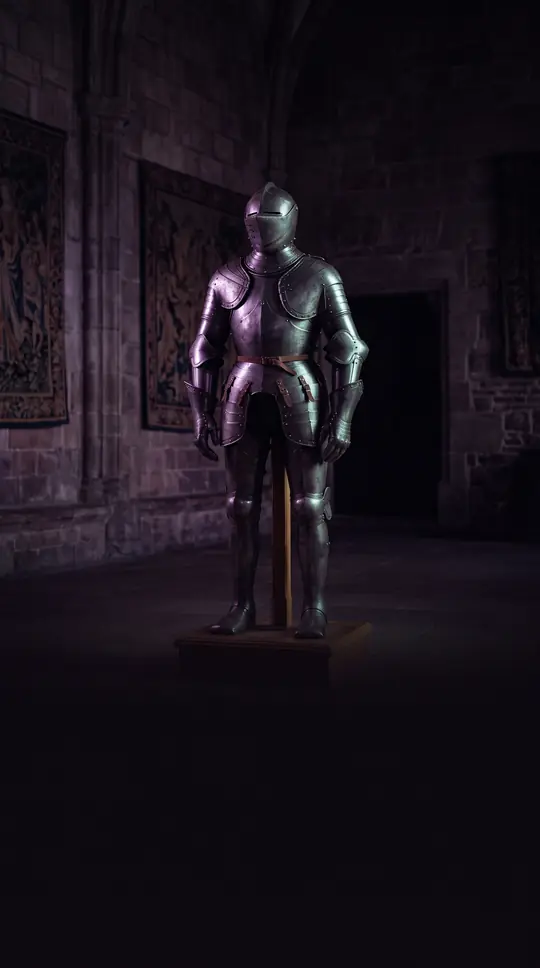
In short: In Masamune Shirow's cyberpunk masterpiece, the line between human and machine dissolves. Through the eyes of Major Motoko Kusanagi, a cyborg navigating a mid-21st-century landscape, we explore the profound sociological and philosophical consequences of a world where consciousness can be hacked, merged, or entirely replaced.
Serialized between 1989 and 1990, the original manga explores a future where cyberbrains allow humans to interface directly with digital networks. This technology introduces existential risks; high levels of cyberization leave the brain vulnerable to skilled hackers who can bend a person to their whims. The protagonist, Major Motoko Kusanagi, is a cyborg who requires a full-body prosthesis to house her cyberbrain following a childhood accident.
The narrative follows Public Security Section 9, a specialized task force of former military and police officers operating in the fictional city of Niihama. Their mission often involves political intrigue and counter-terrorism, such as the investigation into the Puppeteer—an advanced artificial intelligence that uses 'ghost hacking' to commit crimes by proxy. This investigation eventually leads to a transformative event where Kusanagi merges her 'ghost' with the sentient AI.
Shirow’s work is noted for its dense footnotes, where he weaves complex themes of metaphysics, sociology, and technology. He explores concepts like the potential for cyberbrains to be copied without detection and even draws parallels between spiritual phenomena and mental disabilities like schizophrenia. The series has expanded through sequels like 'Ghost in the Shell 2: Man-Machine Interface', which explores the aftermath of Kusanagi's fusion, and more recent collaborative works like 'The Human Algorithm'.
The series' production was not without struggle. Shirow faced significant technical hurdles while producing the digital sequel, including a hard disk failure that resulted in the loss of 16 gigabytes of data. Additionally, the localization of the manga has seen various versions, with some censors removing explicit content, leading to debates about sales and artistic intent.
Opens the Intellect+ feed with this card first. Swipe up for the next one.
Sources
- Summary by Intellect · source: Ghost in the Shell (manga)
To cite this card, link to https://intellectplus.co.uk/app/entertainment-ghost-in-the-shell-manga.
How we source, check and correct cards: Editorial standards.
General information, not professional advice. Spotted an error? Flag the card or see corrections and complaints.
Intellect Plus is a visual educational discovery platform for exploring fascinating facts and ideas. Brain Food, Not Brain Rot. What is Intellect Plus?
Related
More in Comics & graphic novels · More in Entertainment · Latest · A–Z · All topics
