From a derelict apartment to a global animation powerhouse
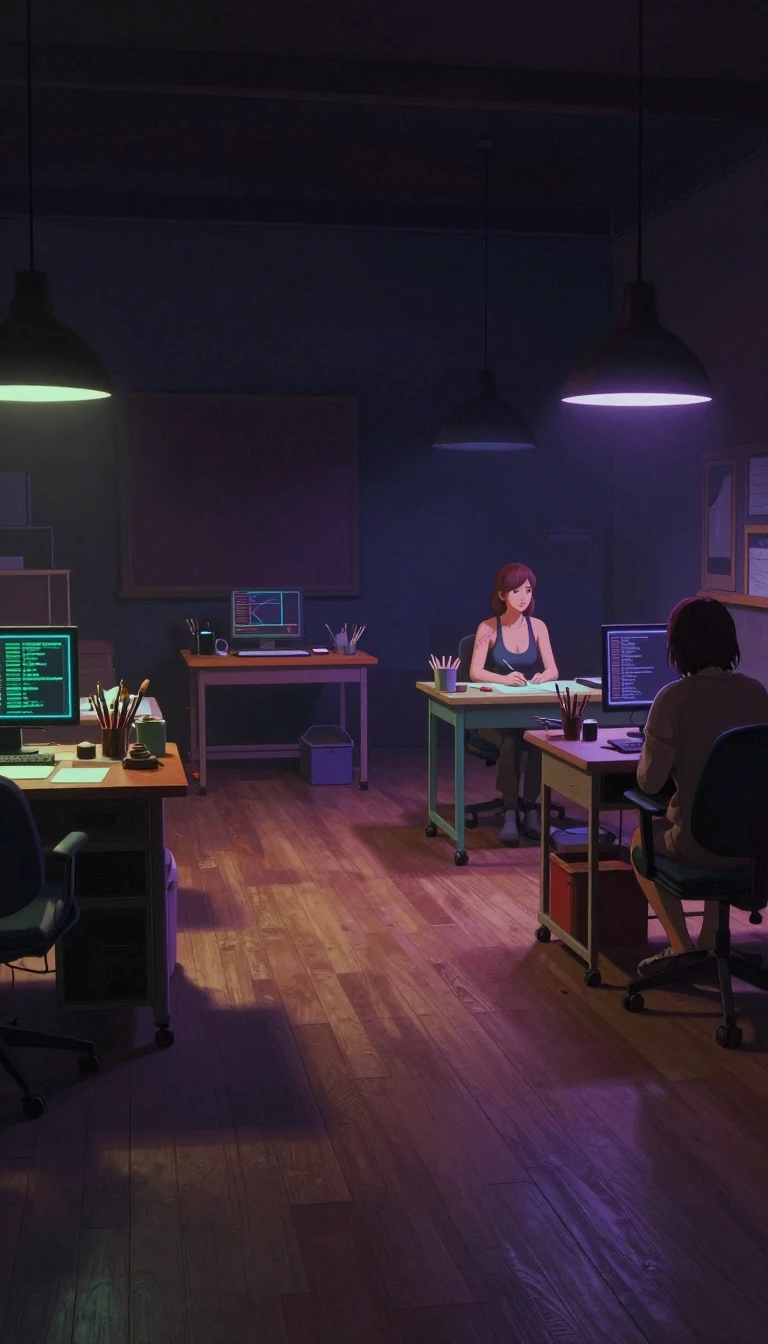
In short: Nelvana began in a rundown Toronto apartment with a homemade wooden camera stand and a pile of phone books used to create zoom effects. Today, it is a global titan of children's media, but its path was paved with bankruptcy, experimental art, and a high-stakes gamble on a polar bear.
Michael Hirsh, Patrick Loubert, and Clive A. Smith established the firm in 1971. Nelvana emerged during an era where Canada possessed no official television or animation production sector. The founders were 'blissfully unaware' of the logistical hurdles ahead, operating out of a derelict downtown apartment. For eighteen months, the three partners survived on a university credit card, using C$7,500 prior to earning twice that figure from their initial deal. Their early equipment was equally makeshift, including a wooden stand mounted over a toilet for their camera.
The studio's identity is rooted in Canadian heritage. It was named after Nelvana of the Northern Lights, a WWII-era Canadian comic book superheroine. While the studio eventually became a powerhouse for licensed properties like the Care Bears—which turned the company's assets around in 1985—it also pursued high-concept projects. This included co-producing the 10-minute 'The Faithful Wookiee' sequence for the Star Wars Holiday Special in 1978, featuring voices from Harrison Ford and Mark Hamill, and even attempting an animated Doctor Who series that was ultimately pulled due to a lower-priced competitor.
Nelvana's history is a cycle of massive ambition and financial risk. The studio faced bankruptcy twice, once nearly collapsing when a distributor for the series T. and T. went out of business. They also invested heavily in the 1980s with the $8 million feature film Rock & Rule, which was a financial failure. Despite these setbacks, the studio pivoted successfully into children's television, building a library of over 1,650 cumulative half-hours of original programming by 2001 and expanding into adult animation with titles like Bob & Margaret.
The studio's evolution reflects a shift from experimental shorts to a sophisticated 'integrated company' model. By 1998, Nelvana began acquiring the publishing rights to the books it adapted, such as the Franklin and Elliot Moose series. This vertical integration allowed them to control the lifecycle of their intellectual property, moving from a small group of friends making experimental films to a major player owned by Corus Entertainment.
Opens the Intellect+ feed with this card first. Swipe up for the next one.
Sources
- Summary by Intellect · source: Nelvana
- Also: Wikidata — Nelvana · CC0
To cite this card, link to https://intellectplus.co.uk/app/entertainment-nelvana.
How we source, check and correct cards: Editorial standards.
General information, not professional advice. Spotted an error? Flag the card or see corrections and complaints.
Intellect Plus is a visual educational discovery platform for exploring fascinating facts and ideas. Brain Food, Not Brain Rot. What is Intellect Plus?
Related
More in Animated series & cartoons · More in Entertainment · Latest · A–Z · All topics
