From nickelodeon storefronts to a global cinema giant: the rise of Loews Theatres
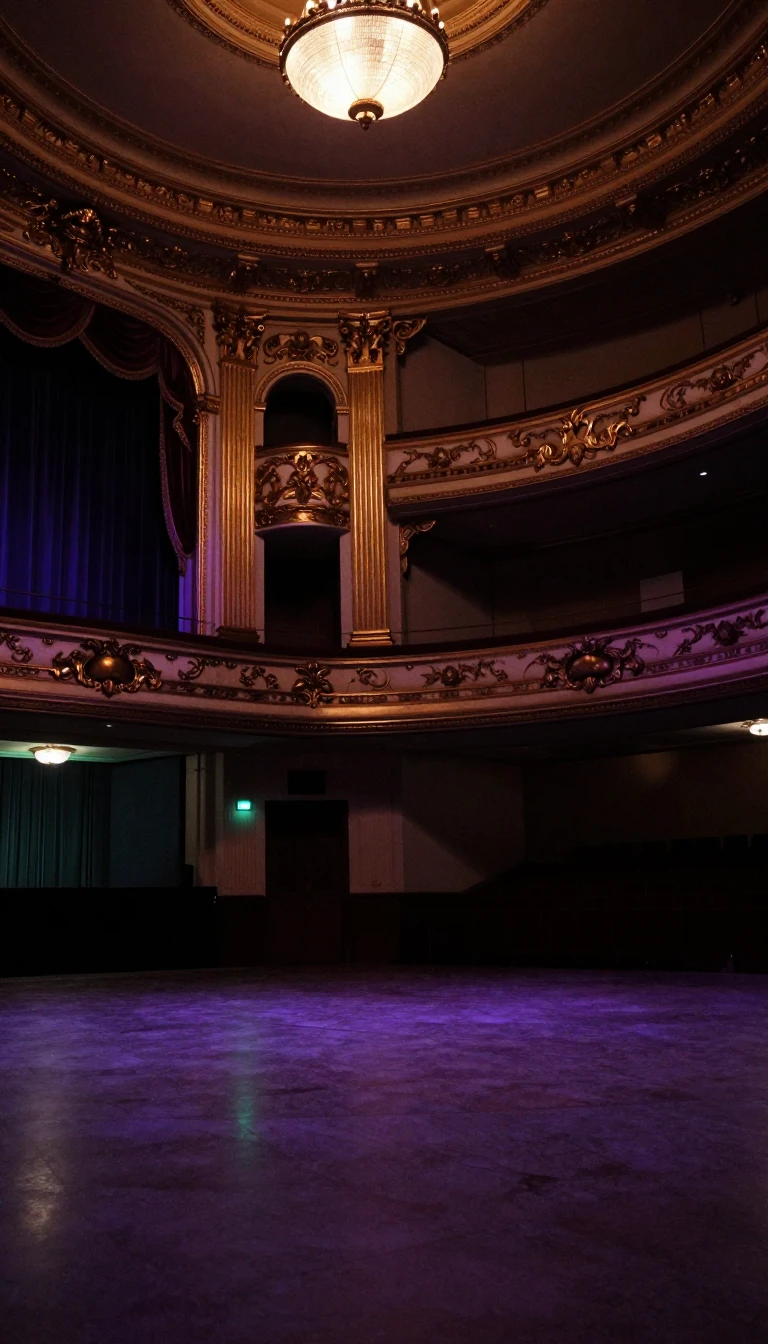
In short: Founded in 1904 by Marcus Loew, this iconic American theater chain evolved from humble silent film storefronts into a massive international enterprise. Through decades of complex corporate mergers, studio ownership, and bankruptcy, the brand defined the movie-going experience for generations before its eventual integration into the AMC Theatres empire.
The story of Loews began in Cincinnati, Ohio, where entrepreneur Marcus Loew established his first nickelodeon theaters. These early venues focused on short silent films, eventually expanding into grand vaudeville houses and movie palaces across the United States. By 1924, Loew founded Metro-Goldwyn-Mayer (MGM) to ensure a steady supply of films for his growing chain. This vertical integration made Loew's Incorporated both the parent company and the distribution arm for the studio, a powerful arrangement that lasted until the 1948 United States v. Paramount Pictures, Inc. ruling mandated their separation.
The company underwent significant ownership shifts throughout the late 20th century. In 1959, the Tisch brothers acquired the firm, marking a transition away from its original studio roots. By the 1980s, the chain became a target for corporate consolidation. In 1986, Tri-Star Pictures acquired the theater management corporation for $300 million, and by 1989, Sony inherited the assets following its purchase of Columbia Pictures Entertainment. The brand even briefly rebranded as Sony Theatres in 1994, a period that saw the introduction of specialized ventures like Magic Johnson Theatres.
The final era of the company was defined by international expansion and financial turbulence. In 1998, a $1 billion merger with Cineplex Odeon Corporation created Loews Cineplex Entertainment, a joint venture between Sony and Universal Studios operating across North America, South Korea, Spain, and Mexico. Despite this scale, the company filed for bankruptcy in 2001, leading to the closure of 46 theaters. Following acquisitions by private equity groups including the Carlyle Group and Bain Capital, the chain finally merged with AMC Theatres in 2006. The historic Loews name persisted on marquees until 2017, when AMC simplified its branding to consolidate operations.
The legacy of the brand remains a case study in the volatile history of American exhibition. From the early days of silent film to the digital sound era, the company navigated shifting federal regulations and changing consumer habits. While the name has largely vanished from modern storefronts, its influence on how cities experienced cinema remains a foundational chapter in the history of the film industry.
Opens the Intellect+ feed with this card first. Swipe up for the next one.
Sources
- Summary by Intellect · source: Loews Cineplex Entertainment
- Also: Wikidata — Loews Cineplex Entertainment · CC0
To cite this card, link to https://intellectplus.co.uk/app/places-loews-cineplex-entertainment.
How we source, check and correct cards: Editorial standards.
General information, not professional advice. Spotted an error? Flag the card or see corrections and complaints.
Intellect Plus is a visual educational discovery platform for exploring fascinating facts and ideas. Brain Food, Not Brain Rot. What is Intellect Plus?
Related
More in Bodies of water · More in Countries & Cities · Latest · A–Z · All topics
