How Disney used a new hybrid animation system to create a modern urban fairytale
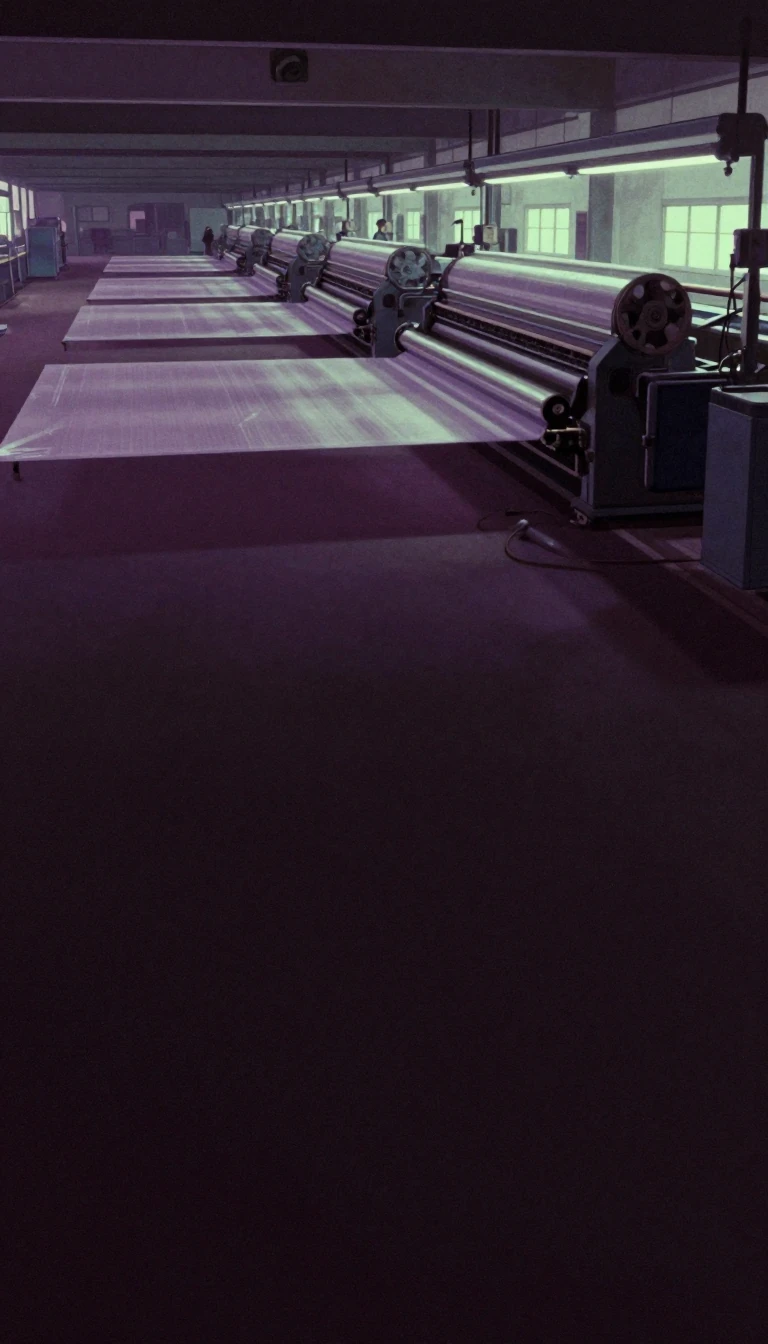
In short: Director John Kahrs spent years pitching his vision of a chance encounter on a commute. When Disney finally green-lit the project, the studio used a groundbreaking hybrid technology to merge the expressiveness of hand-drawn art with the stability of 3D, resulting in an Oscar-winning short that feels both classic and new.
Conceived by John Kahrs during his time at Blue Sky Studios in the 1990s, the story of Paperman was inspired by the fleeting connections made between strangers on a daily commute. Kahrs envisioned an urban fairytale about a man attempting to reconnect with a woman he met at a train station. After multiple pitches, Disney finally approved the project to fill the production gap between the features Tangled and Wreck-It Ralph.
To achieve the film's distinct look, the team developed Meander, an in-house system that blends vector and raster-based animation. This technique, known as final line advection, allowed artists to maintain the artistic control of 2D drawing while utilizing the structural benefits of computer-generated imagery. Animators could directly manipulate fabric folds and silhouettes, effectively erasing or redrawing CG layers to ensure the final product retained a hand-crafted, expressive quality reminiscent of traditional Disney classics like One Hundred and One Dalmatians.
The film's protagonist, George, was modeled after the character George Bailey from the 1946 film It's A Wonderful Life, chosen for his relatable emotional range and human frustrations. The production process was highly collaborative, involving creative input from executive producer John Lasseter and a peer group of directors. Kari Wahlgren, who voiced Meg, recorded her performance in just 30 minutes, focusing on vocal ambiance like gasps and chuckles to complement the film's largely silent narrative.
Upon its 2012 release, the short received widespread acclaim, with critics praising its ingenuity and technical achievement. It secured top honors at both the 85th Academy Awards and the 40th Annie Awards, marking Disney's first win in the animated short category since 1970. While some observers noted thematic similarities to the 2008 short film Signs or the 1867 story The Flying Mail, the project remains a landmark example of how modern studios can innovate by bridging the gap between legacy techniques and digital tools.
Opens the Intellect+ feed with this card first. Swipe up for the next one.
Sources
- Summary by Intellect · source: Paperman
- Also: Wikidata — Paperman · CC0
To cite this card, link to https://intellectplus.co.uk/app/entertainment-paperman.
How we source, check and correct cards: Editorial standards.
General information, not professional advice. Spotted an error? Flag the card or see corrections and complaints.
Intellect Plus is a visual educational discovery platform for exploring fascinating facts and ideas. Brain Food, Not Brain Rot. What is Intellect Plus?
Related
More in Films · More in Entertainment · Latest · A–Z · All topics
