How a 'taboo' pulp fiction obsession became television's ultimate moral mirror
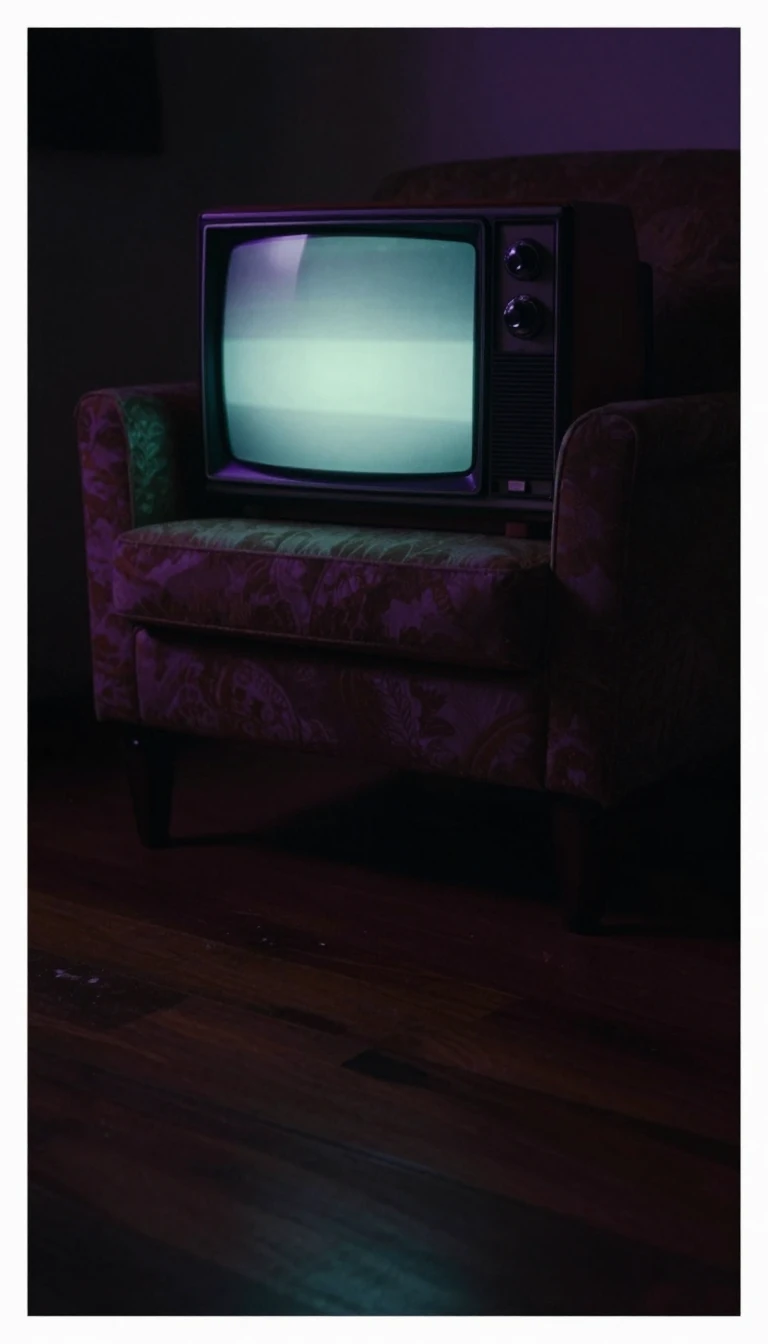
In short: Rod Serling didn't just want to scare audiences; he wanted to bypass the censors of 1950s America. By dressing social critiques in the 'innocuous' clothing of science fiction and fantasy, he turned the small screen into a laboratory for exploring human nature, war, and McCarthyism.
The Twilight Zone was born from Rod Serling’s childhood love of pulp fiction and his adult desire to explore heavy themes like racism and government overreach. During the 1950s, networks frequently censored live dramas that touched on contemporary politics. However, Serling discovered a loophole: sponsors were less concerned with controversial material if it was presented as 'fantasy' or 'sci-fi.' This allowed him to use allegories—such as nuclear war and mass hysteria—to deliver moral lessons that would have been prohibited in standard primetime dramas.
In 1958, 'The Time Element' teleplay cemented the show's core identity; despite being put on hold permanently, it introduced the brand's hallmark format of sci-fi/fantasy motifs, framing narration, and shocking final reveals. When the show finally premiered in early 1959, its success was immediate, with over 6,000 letters of praise flooding the producer's office following the debut of "The Time Element" (which aired as a standalone special before the series began).
Serling’s influence was so profound that he wrote or adapted nearly two-thirds of the original 156 episodes. He curated a roster of elite writers, including Ray Bradbury and Richard Matheson, to craft stories that functioned as parables for human choice. Even his own presence became an icon; his clipped delivery in opening monologues remains highly imitated today, even though he was reportedly nervous about appearing on camera during the original run from 1959 to 1964.
The franchise has endured for over five decades, spawning multiple revivals and a feature film. Interestingly, Serling’s own production company, Cayuga Productions, Inc., took its name from Cayuga Lake in Central New York, where he owned a home. His legacy continues to be explored through 'lost' works, such as the 1994 production of "Where the Dead Are," a script discovered by his widow in a garage that showcased Serling’s late-career interest in period pieces and immortality.
Opens the Intellect+ feed with this card first. Swipe up for the next one.
Sources
- Summary by Intellect · source: The Twilight Zone (franchise)
To cite this card, link to https://intellectplus.co.uk/app/entertainment-the-twilight-zone-franchise.
How we source, check and correct cards: Editorial standards.
General information, not professional advice. Spotted an error? Flag the card or see corrections and complaints.
Intellect Plus is a visual educational discovery platform for exploring fascinating facts and ideas. Brain Food, Not Brain Rot. What is Intellect Plus?
Related
More in Theme parks · More in Entertainment · Latest · A–Z · All topics
