Beyond the farm: How agricultural education evolved from oral tradition to high-tech science
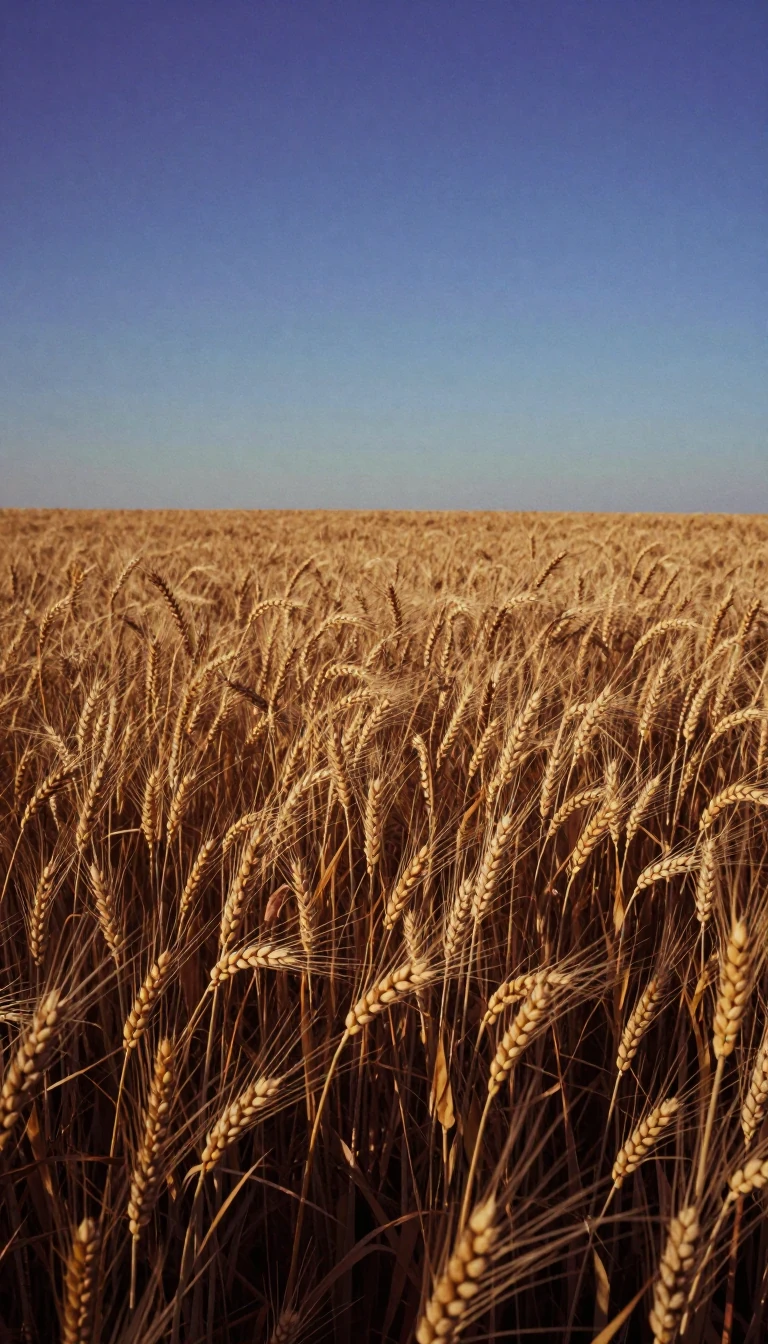
In short: Agricultural education is far more than learning to plow a field. It is a sophisticated, multidisciplinary field that integrates biology, business, and data-driven technology. From its roots in 19th-century legislation to modern precision farming, this systematic training prepares students to solve global challenges in food security and sustainability.
Historically, agricultural knowledge was transmitted through oral tradition. The formalization of agricultural education as an academic discipline began in the 19th century, notably through the Morrill Acts in the United States, which established land-grant universities. These institutions were designed to provide teaching, research, and outreach. By 1988, land-grant universities were responsible for awarding more than three-quarters of all agricultural degrees in the U.S.
The field has expanded significantly to address modern complexities. Today, curricula cover diverse subjects including animal physiology, genetics, food science, and farm business management. Technological integration is a central focus, with recent programs emphasizing precision agriculture, biotechnology, and data-driven methods to optimize production while minimizing ecological footprints. This evolution reflects a shift from traditional farming to a corporatized, technical industry that requires specialized expertise to manage resources, food safety, and global agribusiness systems.
Beyond the classroom, agricultural education utilizes a three-pronged approach in high schools: laboratory instruction, Supervised Agricultural Experience (SAE) projects, and active participation in the National FFA Organization. These components foster leadership, financial literacy, and real-world problem-solving skills. Furthermore, the Cooperative Extension System, a partnership between federal, state, and county governments, ensures that research from universities reaches the broader community. This infrastructure supports not only future farmers but also technologists and leaders tasked with bridging the gap between food production and the consumer.
The scope of this education has also become more inclusive. Legislation like the Education for All Handicapped Children Act of 1975 and the Americans with Disabilities Act of 1990 ensured that students with disabilities have equal access to agricultural classes. As the sector faces evolving challenges like climate change and population growth, the field continues to adapt, emphasizing interdisciplinary research and global perspectives to ensure the long-term stability of the world's food systems.
Opens the Intellect+ feed with this card first. Swipe up for the next one.
Sources
- Summary by Intellect · source: Agricultural education
To cite this card, link to https://intellectplus.co.uk/app/gardening-agricultural-education.
How we source, check and correct cards: Editorial standards.
General information, not professional advice. Spotted an error? Flag the card or see corrections and complaints.
Intellect Plus is a visual educational discovery platform for exploring fascinating facts and ideas. Brain Food, Not Brain Rot. What is Intellect Plus?
Related
More in Agriculture · More in Gardening · Latest · A–Z · All topics
