How do we bridge the gap between laboratory breakthroughs and the actual farm field?
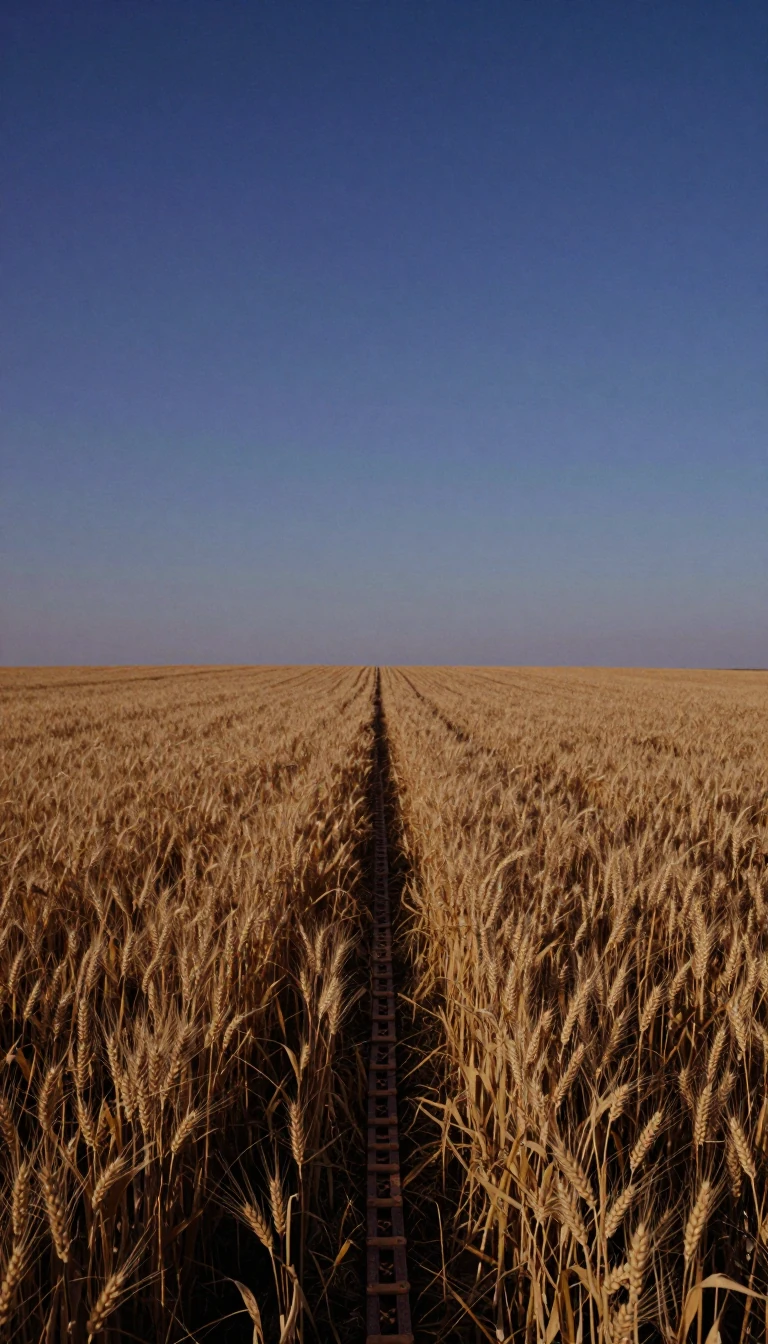
In short: Agricultural extension is the vital link that translates complex scientific research into practical, everyday applications for farmers. By providing non-formal education and reliable local guidance, these programs help producers adopt new technologies, improve their efficiency, and navigate the evolving challenges of feeding a growing global population.
At its core, agricultural extension acts as a conduit for knowledge. While universities focus on research and teaching, the land-grant system in the United States maintains a third mission: disseminating science-based information directly to every county. This process involves more than just sharing data; it is about building trust. Modern extension agents serve as local experts who understand their neighbors' specific needs, acting as the human interface between laboratory discoveries and real-world implementation.
The practice has deep historical roots, though its exact origins remain debated. Chinese officials were documenting agricultural advice and teaching techniques like crop rotation as early as 800 BC. In the modern era, the concept gained formal structure in 19th-century Ireland and Germany before expanding globally. Today, the mission is increasingly urgent. With the United Nations projecting that food production must rise by 70 percent to support 9.6 billion people by 2050, extension services are essential for training the next generation of skilled workers and scientists.
The definition of extension has evolved over decades, shifting from simple instruction to a complex system of communicative interventions. It now encompasses a wide range of disciplines, including business, health, and environmental management. Whether through the 4-H programs for youth or technical assistance for seasoned farmers, the goal remains consistent: to empower individuals to make informed decisions that improve their livelihoods and the collective welfare of their communities. By integrating research, education, and outreach, these programs ensure that innovation does not stay trapped in academic silos but reaches those who can best utilize it.
Success in this field relies on a delicate balance of technology and human connection. While digital tools allow for faster communication than ever before, the effectiveness of extension still depends on the credibility of the agents on the ground. These professionals must navigate diverse socioeconomic landscapes, ensuring that the information they provide is relevant, actionable, and capable of fostering long-term, voluntary change in agricultural practices.
Opens the Intellect+ feed with this card first. Swipe up for the next one.
Sources
- Summary by Intellect · source: What We Do: Extension
- Also: Agricultural extension
To cite this card, link to https://intellectplus.co.uk/app/gardening-agricultural-extension.
How we source, check and correct cards: Editorial standards.
General information, not professional advice. Spotted an error? Flag the card or see corrections and complaints.
Intellect Plus is a visual educational discovery platform for exploring fascinating facts and ideas. Brain Food, Not Brain Rot. What is Intellect Plus?
Related
More in Agriculture · More in Gardening · Latest · A–Z · All topics
