How ancient plant fossils reveal the secret timeline of life colonizing our continents.
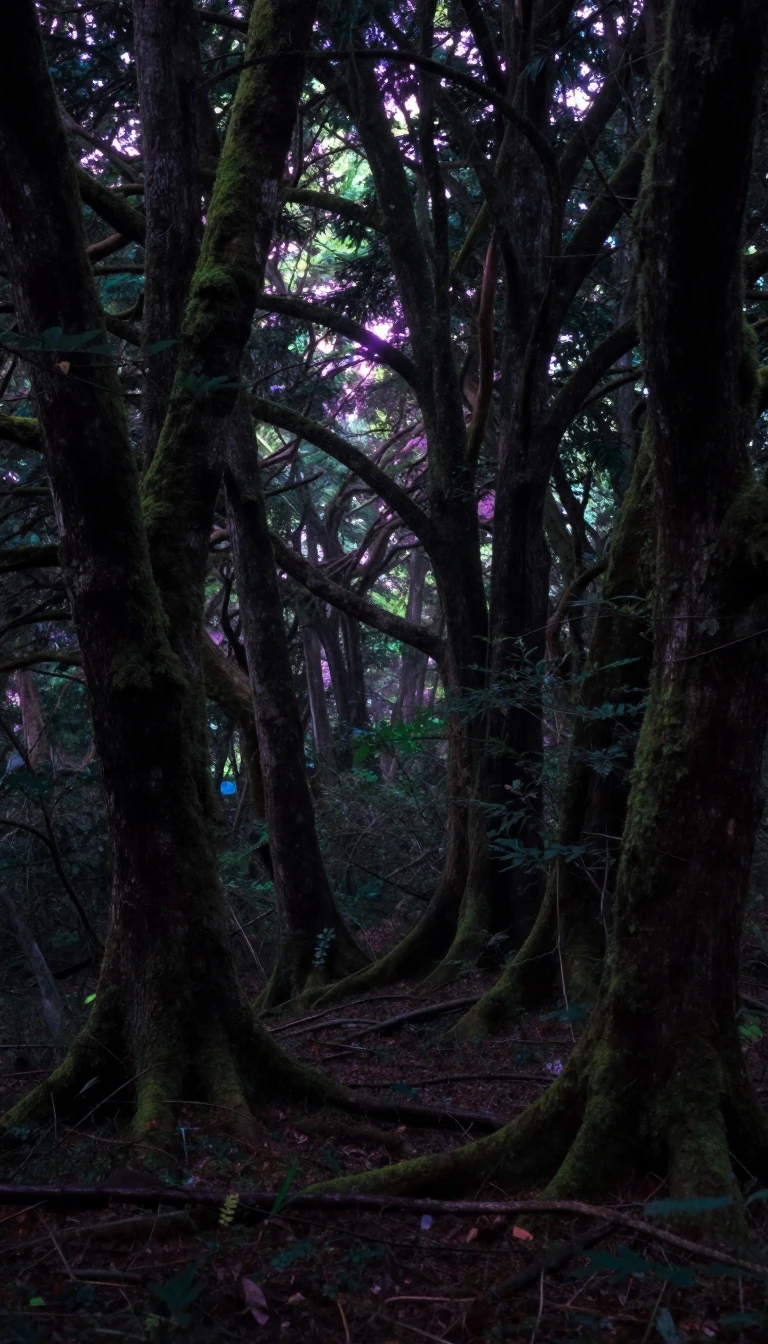
In short: Paleobotany reconstructs the history of life by studying everything from microscopic spores to towering fossilized trees. By analyzing these remnants, scientists trace the dramatic evolution of plants from simple algae to complex vascular systems, uncovering how our planet’s green landscape transformed over hundreds of millions of years of history.
The fossil record of land plants begins in the Ordovician Period, roughly 485.4 to 443.8 million years ago. While the earliest evidence consists of isolated spores and simple cell sheets, molecular clock research suggests that plants may have actually begun their terrestrial invasion even earlier, during the Cambrian Period, around 500 million years ago. These early colonizers were likely nonvascular, similar to modern liverworts or mosses, which remain less diverse and smaller than their vascular counterparts.
By the Silurian Period, macroscopic fossils—slender, forking axes—began to appear. These plants, such as the herbaceous Rhyniopsida, lacked true leaves or roots, relying instead on rhizoids for anchorage. The development of specialized water-conducting cells, known as tracheids, marked the rise of vascular plants (tracheophytes) by the early Devonian Period. This innovation allowed plants to overcome size restrictions, eventually leading to the evolution of secondary growth and the emergence of complex structures like megaphylls.
The diversity of plant life exploded as these organisms adapted to varied ecological conditions. By the late Devonian and early Carboniferous periods, plants had evolved into shrubs and trees, filling the landscape with arborescent lycopods and early seed plants. This evolutionary journey, preserved in sediments worldwide, provides a unique window into the history of terrestrial life, helping scientists understand how photosynthetic organisms fundamentally altered the Earth's environment and paved the way for the complex ecosystems we see today.
Paleobotany relies on diverse preservation methods, including adpressions, which capture morphological details of leaves, and permineralized specimens that reveal cellular anatomy. Sites like the Rhynie chert in Scotland offer exceptional insights into early terrestrial communities. Through these fossils, researchers can reconstruct ancient climates and ecological systems, proving that the history of plants is inseparable from the history of life on Earth.
Opens the Intellect+ feed with this card first. Swipe up for the next one.
Sources
- Summary by Intellect · source: Plant - Evolution, Paleobotany, Photosynthesis | Britannica
- Also: Paleobotany
To cite this card, link to https://intellectplus.co.uk/app/science-paleobotany.
How we source, check and correct cards: Editorial standards.
General information, not professional advice. Spotted an error? Flag the card or see corrections and complaints.
Intellect Plus is a visual educational discovery platform for exploring fascinating facts and ideas. Brain Food, Not Brain Rot. What is Intellect Plus?
Related
More in Biology basics · More in Science · Latest · A–Z · All topics
